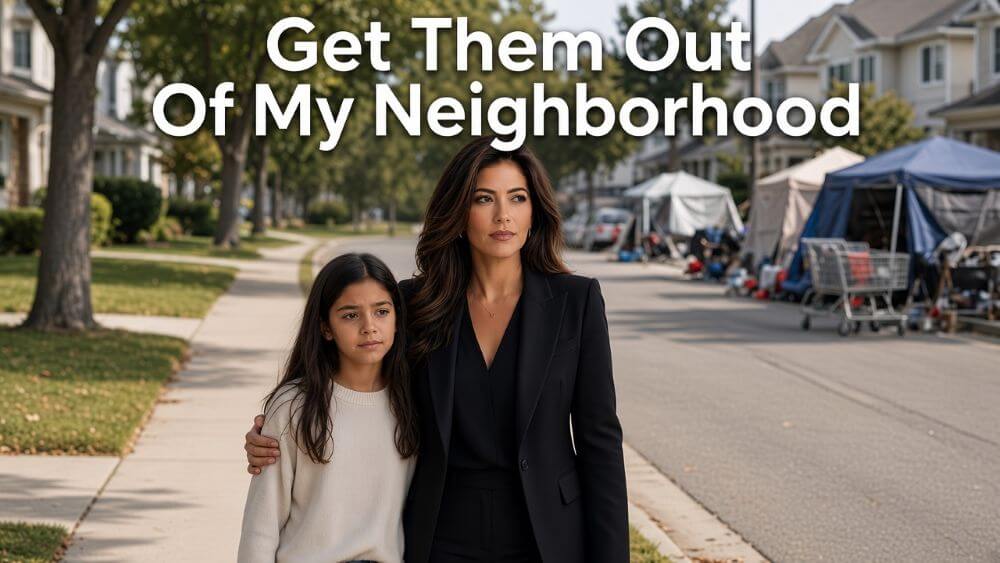
Walking through your own neighborhood should feel normal. You should be able to take a stroll, let your kids ride bikes, or just enjoy the sidewalk without stepping around people passed out, watching someone shoot up, or smelling human waste.
For many of us, that basic experience is gone. Homeless people camping, drinking, and using drugs in public have turned once-pleasant streets into places that feel dirty, unsafe, and exhausting. The truth is simple: having homeless people living on the sidewalks of our neighborhoods is extremely unpleasant, unsanitary, and damaging to the quality of life for everyone else who lives there.
The Daily Reality of Homeless People in Neighborhoods
I see it with my own eyes. Many of the people living on the street are openly drunk during the day. Others are using drugs right out in the open. Public urination and defecation are common. Needles, empty bottles, and trash pile up. The smell alone is enough to make you cross the street.
This is not occasional. It is daily life in more and more residential areas. Kids cannot walk to the park without seeing someone in crisis or high. Parents feel the need to shield their children from scenes that should not be part of a normal childhood. The simple joy of walking down your own block disappears when every outing becomes an exercise in looking the other way or feeling on edge.
How Public Drug Use and Crime Connect
Drug consumption on the street does not stay isolated. It feeds the black market. Dealers know where the customers are. Prostitution often follows the same pattern. Neighborhoods that attract open drug use and panhandling become magnets for the wider underground economy that supports addiction.
Crime rates rise too. Property crime, public disorder, and the general sense of lawlessness increase when large numbers of untreated addicted people live outdoors in residential areas. Residents report feeling less safe. Some start avoiding certain streets or times of day. That loss of freedom is real.
The Money Problem: Why Handouts Keep It Going
Most of the cash these individuals use to buy drugs and alcohol comes from one place: people who feel sorry for them and hand over money.
Those well-meaning donors are part of the problem. Every dollar given on the street is a dollar that can buy the next drink or the next hit. It is not solving addiction. It is subsidizing it in the most public, disruptive way possible.
Think of it like a plant. If the plant does not get water or sunlight, it shrinks or disappears. The same principle applies here. If people stop giving money, there is simply less cash available for drugs and alcohol in that location. Some will move to places where handouts are easier to get. That is not cruelty. That is how incentives work.
Some people worry that cutting off street money will lead to more stealing. If that happens, then the police have a clearer reason to intervene. Theft is a crime. Public intoxication, open drug use, and public defecation are also problems that authorities can address when the behavior is no longer subsidized by endless cash from passersby.
Why Stopping Handouts Protects Neighborhoods
The goal is not to be heartless. The goal is to stop feeding the exact behaviors that destroy the livability of residential streets.
When we keep giving money:
- Public intoxication and drug use continue
- The black market for drugs and related activity stays strong
- Sanitation problems worsen
- Families and children lose the freedom to enjoy their own neighborhood
- The cycle of street addiction remains funded
When we stop giving money:
- The financial incentive to stay and use in that specific area drops
- Some people will seek services, treatment, or different locations
- Police and city services can focus on actual enforcement instead of managing endless street disorder
- Ordinary residents regain the ability to walk down the block without constant confrontation with addiction and filth
Protecting a neighborhood means refusing to subsidize the conditions that are destroying it. Compassion that ignores reality is not compassion. It is enabling.
What Actually Helps
Real help for people struggling with addiction and mental illness exists in the form of treatment programs, shelters with rules, and long-term support that requires sobriety or medication compliance. Street cash does none of that. It simply keeps the visible, disruptive version of the problem parked on residential sidewalks.
If you want cleaner streets, safer sidewalks, and neighborhoods where children can walk without absorbing trauma, the most immediate step available to every individual is straightforward: stop giving money to homeless people on the street.
It will not solve every case overnight. But it removes the daily fuel that keeps the most destructive behaviors concentrated in the places where families live. Neighborhoods are not public drug dens. They should not be treated as such.
FAQ
Isn’t it cruel to stop giving money to homeless people? No. Continuing to fund public drug and alcohol use is what keeps people stuck in the most dangerous and degrading conditions. Real help requires treatment and structure, not street cash.
Won’t they just steal if people stop giving them money? Some might try. Theft is a crime that police can and should address. Subsidizing addiction through handouts does not prevent crime; it often coexists with it.
What about people who are truly just down on their luck? The visible street population in many neighborhoods is heavily driven by addiction and mental illness, not temporary hard luck. Targeted services exist for those who want them. Open-air drug use and public defecation are not the same as temporary unemployment.
Doesn’t stopping handouts just move the problem somewhere else? Possibly. Concentrating the problem in residential neighborhoods is the worst outcome for families and children. Reducing the financial incentive in those areas is a rational response.