Undeveloped land can offer long-term appreciation, room for a future project and lower maintenance demands than a finished property. It can also carry expenses and physical limitations that aren’t obvious during a quick visit.
Before making an offer, you’ll need to investigate how the parcel can be used, what it will cost to improve and how long you can afford to hold it.
Start with your investment plan
Decide what you expect the land to do for you. You might hold it for appreciation, build on it later or improve it for resale. Each plan has a different timeline and risk level. Georgetown University’s overview of land as an investment explains how scarcity and limited correlation with other asset classes can make land appealing, though location and intended use remain major considerations.
Set a target holding period and estimate how much cash you can commit without relying on a quick sale. Vacant parcels may stay on the market longer than homes, particularly in remote areas.
Look beyond the purchase price
The sale price is only your starting figure. Ask for current property tax records and identify any association fees, special assessments or required maintenance. Then estimate the cost of a survey, title review, insurance and financing. Loans for undeveloped land may require larger down payments and carry different terms from residential mortgages.
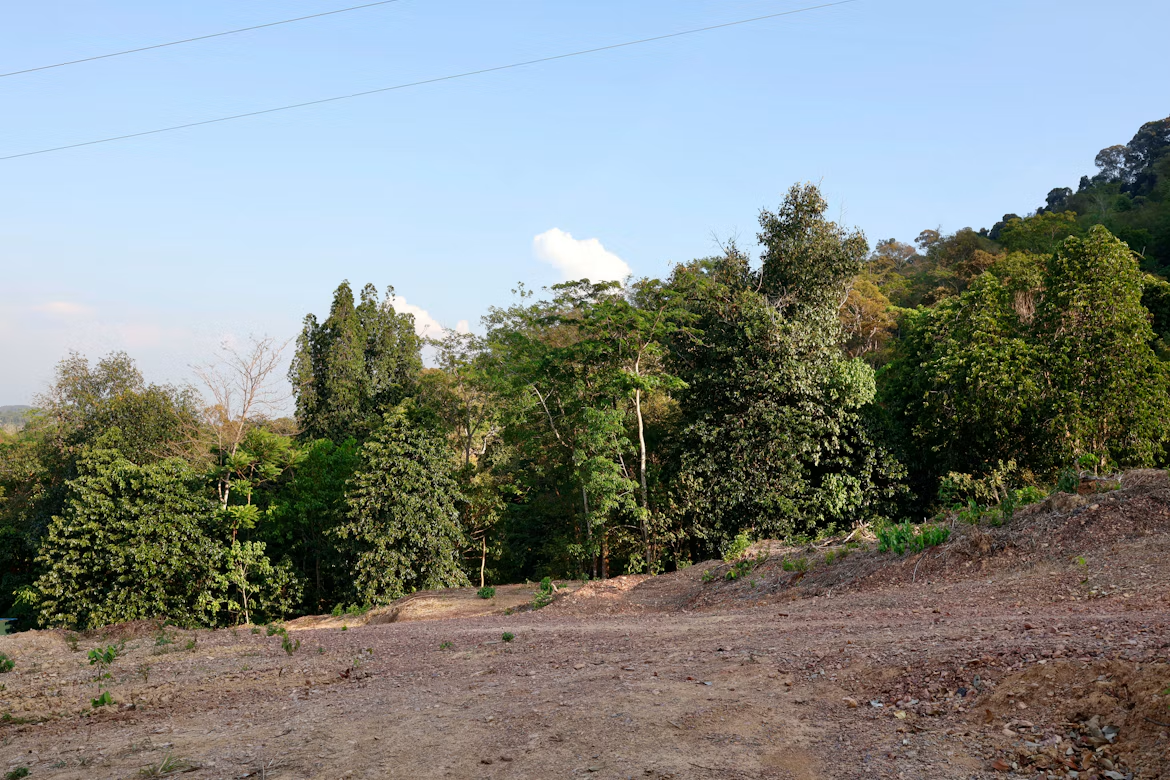
Physical improvements can change the budget considerably. If a future project requires clearing, grading or excavating, get site-specific estimates before closing. A sloped parcel with dense vegetation may be affordable to buy but expensive to prepare. Build a contingency of at least 10% to 20% into preliminary improvement estimates since soil conditions and drainage problems can reveal extra work.
Confirm what the parcel allows
A property’s size doesn’t tell you what you can legally build. Review zoning rules, minimum lot sizes, setback requirements and environmental restrictions with the appropriate local offices. Ask whether the parcel lies in a flood-prone area or contains protected habitat. If you plan to divide the property, verify subdivision rules before including that income in your projections.
Legal access also deserves close attention. A visible dirt road may cross neighboring property without a recorded right of access. Have a qualified title professional confirm easements, boundary descriptions and ownership history. The broader pros and cons of undeveloped land include flexibility and lower initial costs alongside financing, development and resale challenges.
Check utilities, soil and drainage
Find out how the property would receive water, electricity, wastewater service and internet access. A utility line along a nearby road doesn’t guarantee an affordable connection. Request written estimates from service providers and ask who pays for line extensions, poles or road crossings.
Where public water and sewer aren’t available, soil quality and local rules may determine if a well or on-site wastewater system is practical. Order relevant soil tests and review the parcel after heavy rain if possible. Standing water, washed-out paths and deep erosion channels can expose drainage issues that remain hidden on a dry day. These findings also affect where future structures, driveways and utility lines could go.
Study the surrounding market
Compare the parcel with recent land sales that share its location, acreage, access and permitted uses. A small roadside lot and a larger landlocked tract in the same area aren’t meaningful substitutes. Check how long comparable properties remained listed and whether their final prices differed sharply from the asking prices.
Future development nearby can affect demand, but proposed projects shouldn’t be treated as guaranteed. Review publicly available planning documents and confirm the status of announced roads or utility extensions. For a broader financial perspective, this guide to investing in land development covers the relationship between improvement costs and potential returns. Use conservative resale assumptions so the deal can still work if growth arrives later than expected.
Make the offer depend on due diligence
Leave enough time in the purchase agreement for inspections, surveys, title research and financing approval. Include contingencies that let you respond if the parcel lacks legal access, fails a required soil test or cannot support your planned use. A local real estate attorney can help tailor these terms to the property and jurisdiction.
Walk the full boundary with a survey or reliable parcel map, taking photos of drainage areas, access points and neighboring uses. Keep every estimate and official response in one file. If the numbers still support your plan after taxes, site work, utilities and carrying costs are included, you’ll have a much clearer basis for setting your maximum offer.
Leave a Reply