Investing in tangible assets has long been a cornerstone of wealth-building, and raw land presents a unique opportunity. Unlike stocks or bonds, land is a finite resource. It offers the potential for significant returns, but it’s not a passive investment. Success requires careful planning, thorough research, and a clear understanding of the development process. So, is investing in land development a smart financial move for you? Let’s explore the key factors you need to consider.
Assessing Land Investment Opportunities
Before you purchase any parcel, you must conduct extensive due diligence. The most important factor is location. A plot’s value is heavily influenced by its proximity to cities, transportation routes, schools, and employment centers. You should also investigate local zoning regulations and the long-term community development plan. Will the area support residential, commercial, or industrial use? Understanding these constraints and opportunities is fundamental to determining a property’s potential.
Researching how to invest in land will reveal that not all plots are created equal. Look for trends in population growth and infrastructure projects that could increase future demand. The question of whether land is a good investment often comes down to the quality of your initial research. A seemingly cheap piece of land might be unusable due to environmental restrictions or lack of access to utilities, making it a poor investment.
The Role of Site Preparation
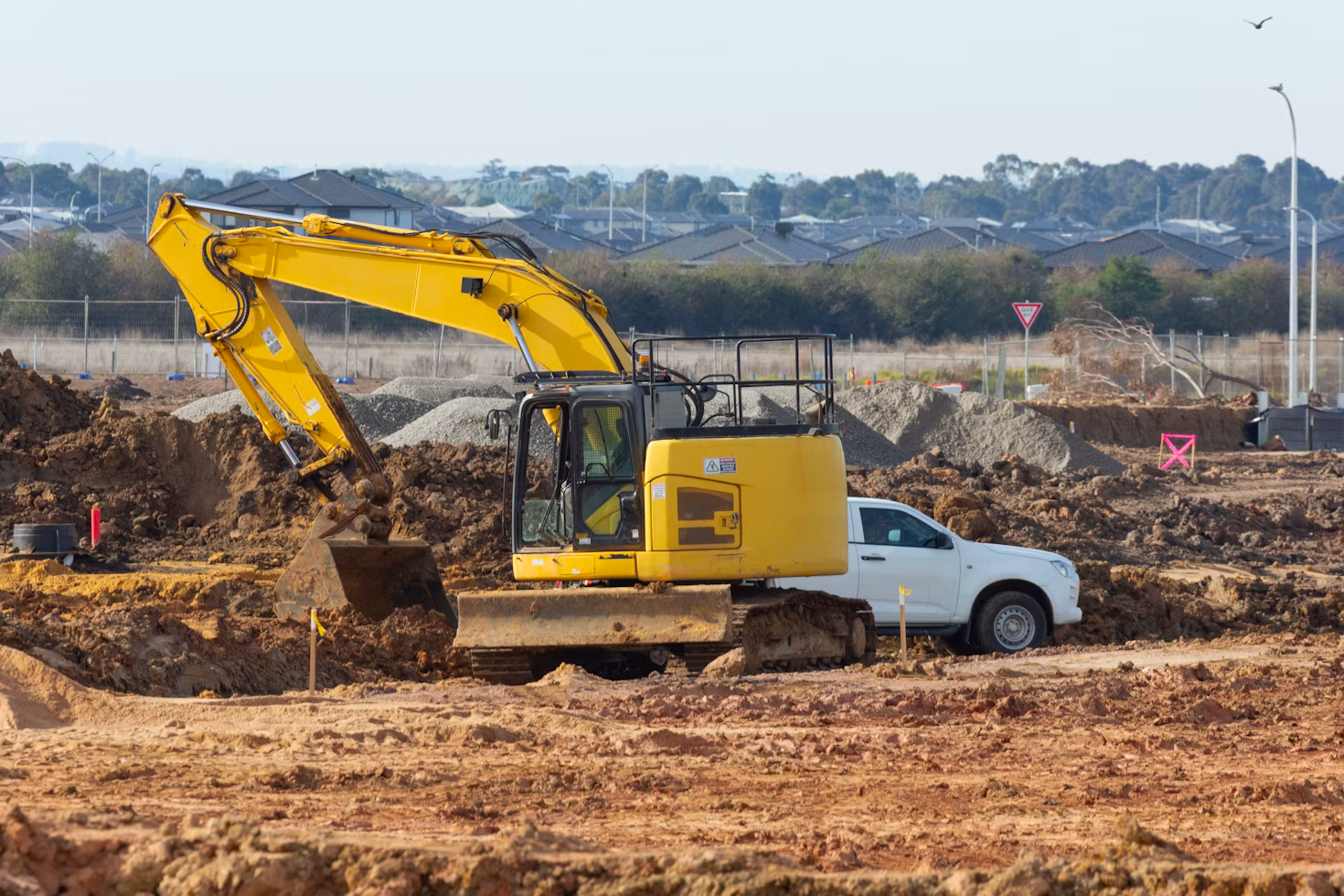
Purchasing the land is only the first step. To unlock its value, the site must be prepared for construction. This phase, known as site preparation or site work, is critical and can significantly impact your project’s timeline and budget. It involves clearing the land of trees, rocks, and debris. Following clearing, the land must be graded to ensure proper drainage and create a stable, level base for foundations.
This work is performed by specialized professionals. Hiring experienced excavation contractors is essential for correctly shaping the terrain, digging for foundations and basements, and trenching for utilities like water, sewer, and electricity. Proper site preparation prevents future problems such as flooding, soil erosion, and structural issues. Underestimating the complexity or cost of this stage is a common mistake that can derail an entire development project.
Calculating Potential Returns
To determine if a land development project is financially viable, you need to calculate your potential return on investment (ROI). This starts with estimating the future market value of the developed property. You can do this by researching comparable sales of similar developed properties in the area. This gives you a target sale price.
From this projected value, you subtract all your costs. This includes the initial purchase price of the land, all development expenses, financing costs, and real estate commissions. The remaining figure is your potential gross profit. Dividing this profit by your total investment gives you your estimated ROI. It’s wise to run several scenarios, optimistic, realistic, and pessimistic, to understand the range of possible outcomes.
Understanding Development Costs
The purchase price of the land is often just a fraction of the total project cost. A comprehensive budget must account for a wide range of “soft” and “hard” costs. Soft costs are the intangible expenses required to get a project off the ground. These include:
- Architectural and engineering design fees
- Permit and impact fees from local government
- Legal and accounting expenses
- Land surveys and soil testing
Hard costs are the tangible expenses related to the physical construction of the project. These include all site work, utility installation, foundation work, framing, and finishing. It’s crucial to get detailed quotes from contractors for these items. Always include a contingency fund, typically 10-15% of the total budget, to cover unexpected costs or delays.
Mitigating Risks in Land Projects
Land development comes with inherent risks that must be managed proactively. Market risk is a major factor; a downturn in the economy could reduce property values and make it difficult to sell your finished project. You can mitigate this by ensuring your project is in a desirable location with sustained demand.
Permitting and entitlement risk is another significant hurdle. The process of getting approvals from local authorities can be long, complex, and unpredictable. Working with experienced local professionals who understand the regulatory environment can help streamline this process. Finally, construction risks, such as cost overruns or discovering unforeseen site conditions (like poor soil or underground rock), can quickly erode profits. A thorough site analysis before purchase and a solid contingency plan are your best defenses against these issues.