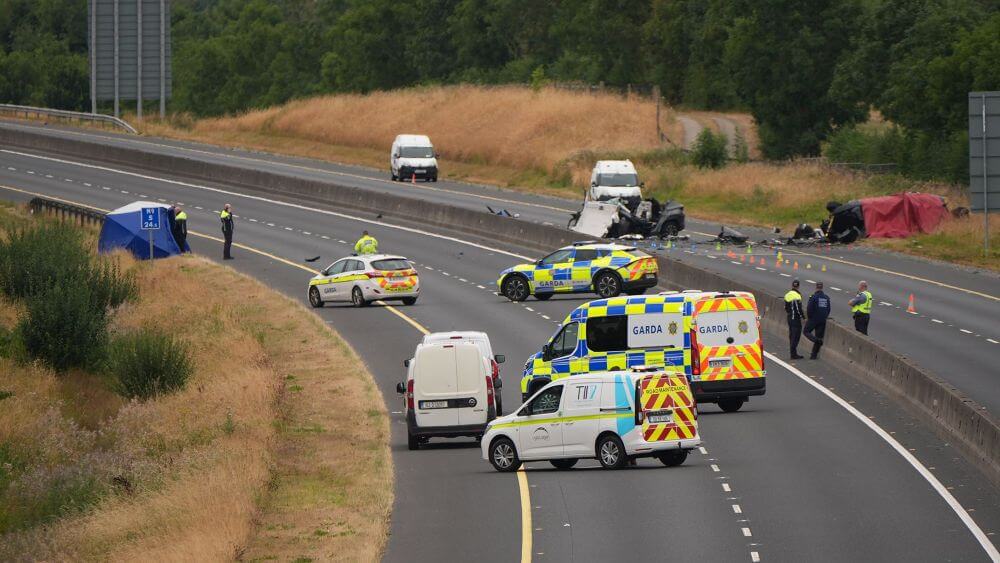
A minor accident between three cars is manageable. However, a five-car collision on a crowded highway can be a nightmare, as there are several drivers, numerous insurance companies involved, and no consensus on the exact chain of collisions. The order in which the vehicles collide, rather than the extent of the damage, determines the liable parties.
What Actually Makes Multi-Vehicle Crashes so Messy
A multi-vehicle accident is usually considered three or more vehicles involved in one incident, whether that’s a slow chain reaction at a stoplight or a full pileup on a highway overpass. Add a second vehicle to a crash and you double the potential fault arguments. Add a third or fourth, and the math stops being simple addition. Each driver has his version of events, his insurance company defending its policyholder, and his incentive to point at someone else.
Rear-end crashes are the most common trigger for these chain reactions. Rear-end collisions account for about one-third of all police-reported crashes (NHTSA), and a significant portion of multiple-vehicle pileups start with one driver tailgating and hitting the car ahead, pushing it into the car in front of that one. Once you’re three or four cars back, figuring out who started the chain is the whole case.
Lock Down the Scene Before Anyone Moves
If you can safely move after a multicar wreck, try not to clear the road and exchange insurance information immediately. The evidence at the scene will not stay for long. In a chain reaction crash, the position of all vehicles can tell a story about what happened.
Before anything shifts, try to capture:
- Photos of every vehicle from multiple angles, including close-ups of damage locations
- Skid marks or lack of them, which speak to speed and braking
- Final resting positions of all vehicles relative to lanes and intersections
- The state of traffic signals or stop signs at the time
- Dashcam footage, yours or anyone else’s willing to share it
Dashcam video has become one of the more reliable pieces of evidence in rear-end and chain-reaction claims, because it removes the guesswork about who hit whom first. If a car behind you shows video of getting rear-ended themselves right before hitting you, that changes your entire liability picture. Witness statements matter too. A bystander who saw the sequence unfold from a nearby car or sidewalk can corroborate details that drivers, understandably rattled after a crash, might get wrong.
When to Bring in a Lawyer
Multi-vehicle claims fall on the trickier side and tackling them alone could be a real risk. The fault arguments are more complicated, and it’s easier for one or more of the insurance carriers to claim shared liability for spreading the damage a bit thinner. The crunch point is multiple smaller settlements or judgments can easily add up to less than your total damages. Making sure you get all of what you’re owed means maximizing recovery and minimizing shared fault allegations.
For Texas crashes specifically, going through a vetted resource like Texas Crash Network connects injured drivers with attorneys who understand the state’s 51% rule and know how to build a fault argument around EDR data, reconstruction findings, and the Texas Transportation Code. Keep the statute of limitations in mind too. Texas generally gives you two years from the crash date to file suit, and multi-vehicle cases often take longer to investigate than single-car claims, so the clock matters more here, not less.
The Police Report is a Starting Point, Not a Verdict
Officers who arrive on the scene of a multi-vehicle crash have little time, the possibly conflicting accounts of drivers to go on, and a location that may have already been disturbed and put back into a safer condition by passing motorists. The cop’s word on the accident scene can influence your insurance claim settlement and to some extent, the court, but it’s not final and mistakes are on these reports more than you think.
Wrong vehicle positions, faulty driver statements, unlisted witnesses, it all adds up surprisingly frequently. If you receive a copy of the police report and notice errors or even unfilled sections, most police departments will allow you to ask for a correction or submit a statement yourself within a specific timeframe following the incident. Don’t skip this opportunity, many people mistakenly take the report as settled and done with once the officer leaves the scene.
How Fault Actually Gets Divided
Multi-car cases also bring far more moving parts and potential negotiation back and forth. Say the first car was stopped in the middle of the freeway with no lights, after breaking down. That almost certainly contributes to the chain reaction, but does it make the first driver 100% responsible for everyone else’s subsequent behavior and decisions? If the driver of the second car was texting and following too closely, and rammed into the first vehicle without ever touching the brakes, is that a wholly separate question of negligence or inherently entangled with the first driver’s actions?
When you add in that people left their cars after the first collision then a pedestrian was struck, that might be something different entirely, and an example of one more layer. Perhaps the driver of the struck car on the shoulder was drunk, although they had pulled over in time to get partially clear of the lane. Does anything else create a new peril in the chain reaction?
Most states use some version of comparative negligence, which means fault gets split among the parties rather than pinned entirely on one driver. Texas follows a modified comparative fault rule, sometimes called the 51% rule. If you’re found to be 51% or more at fault, you can’t recover damages from the other parties at all. If you’re found 50% or less at fault, your damages get reduced by your percentage of fault, but you can still collect. In a three- or four-car pileup, the difference between being assigned 40% fault and 55% fault can mean the difference between a payout and nothing. Insurance companies know that pushing a driver’s fault percentage past that 51% line eliminates their exposure entirely, that’s exactly why adjusters fight so hard over fault allocation in chain-reaction cases.
Watch What You Say at the Scene and After
Strong emotions can lead individuals to make statements that can be used against them in various situations. For example, following an accident, people often tend to say things like “It’s my fault” or “I didn’t notice you”. Even though these statements might seem like a normal response in the stressful moments immediately after an accident, insurance companies and defense lawyers can use those words as an acknowledgment of guilt. In cases of multi-vehicle collisions, where responsibility is divided among several parties, a simple apology can be manipulated to increase your share of the blame.
The same goes for providing recorded statements to insurance claims adjusters. These professionals contact you shortly after the accident, appear very helpful, and claim they just want to gather information. However, their ultimate goal is to build a case regarding liability while keeping the payout as low as possible for their insured client. It’s entirely within your rights to refuse to give a recorded statement until you’ve had a chance to carefully go over the police report, any photos you took at the scene, and any witness statements or dash camera footage you have. Once you’ve officially given your statement and signed off on the response, it’s extremely difficult to retract your words once new evidence comes to light.
Reconstructing Who Hit Whom, and When
In a chain-reaction crash, the order in which vehicles are hit often plays a bigger role in determining fault than the total damage amount. For example, a driver who’s shoved into the car in front of them after being rear-ended isn’t, legally speaking, at fault in the same way as the driver who hit someone without being hit. This principle, known as the first impact doctrine, is used to determine liability for damages when three or more vehicles are involved in multiple collisions over a short period of time.
Technology provides support in this area, more support than most drivers realize, in fact. Most new vehicles have event data recorders, or “black boxes”, that log information such as speed, braking, and even steering information from the moments before a crash. This data may indicate that a driver was coming to a stop when they were rear-ended, implying that they were forced into the vehicle ahead of them.
In contested multi-vehicle claims, an accident reconstruction expert can determine the sequence of events based on factors such as skid marks, crush patterns, EDR information, and the final resting places of the vehicles. These professional opinions can carry considerable weight, especially if the police report is inconclusive or sparse. State traffic statutes can be cited as evidence of negligence under the theory of negligence per se. Violation of a statute designed to protect the public is generally considered negligence by a court, and the jury is only asked to determine if the violation was a proximate cause of the injury.
Figuring Out Which Insurance Policy Pays
Dealing with multiple vehicles and multiple insurers, figuring out who pays first can be complex. Normally, the liability coverage of the driver who is at fault pays first, based on the percentage of fault given to them. If two or three drivers are at fault, the insurance company of each one of them could be responsible for a specific amount.
Things start to get complicated when an at-fault driver does not have insurance or has minimum coverage. Your own uninsured/underinsured motorist coverage will be used in this case to cover the difference between what the at-fault driver’s policy covers and what you are supposed to be paid. Personal injury protection and MedPay take care of medical expenses regardless of who is at fault and could help you get paid earlier without having to wait for the liability decision. Knowing these order rules in advance will help you recover more and not give up on a claim that you think is not worth fighting for simply because one driver was underinsured.
Negotiating the Settlement
After percentages of fault are approximately figured out, insurance companies decide what to offer you by using that percentage to reduce the overall amount you suffered such as medical expenses, lost earnings, property damage, and damages for pain and suffering. If your losses are $100,000 and you are 20% at fault, the offer often “begins” at $80,000 (i.e., $80,000 is the most you would get under that scenario), although initial demands or offerings in negotiations always come in lower than the pure ratio being calculated. And when there is more than one vehicle involved, offers usually underestimate the percent of blame that will be assigned to their driver, on the hope you cannot prove a better division of fault on your part.
The Bottom Line
Multi-vehicle wrecks reward the driver who stays methodical when everyone else is panicking. Document the scene before it changes, be careful with what you say, understand how fault percentages actually work in your state, and get the right evidence in front of the right people before you agree to anything. The order of impacts decides the outcome far more often than the size of the damage does.