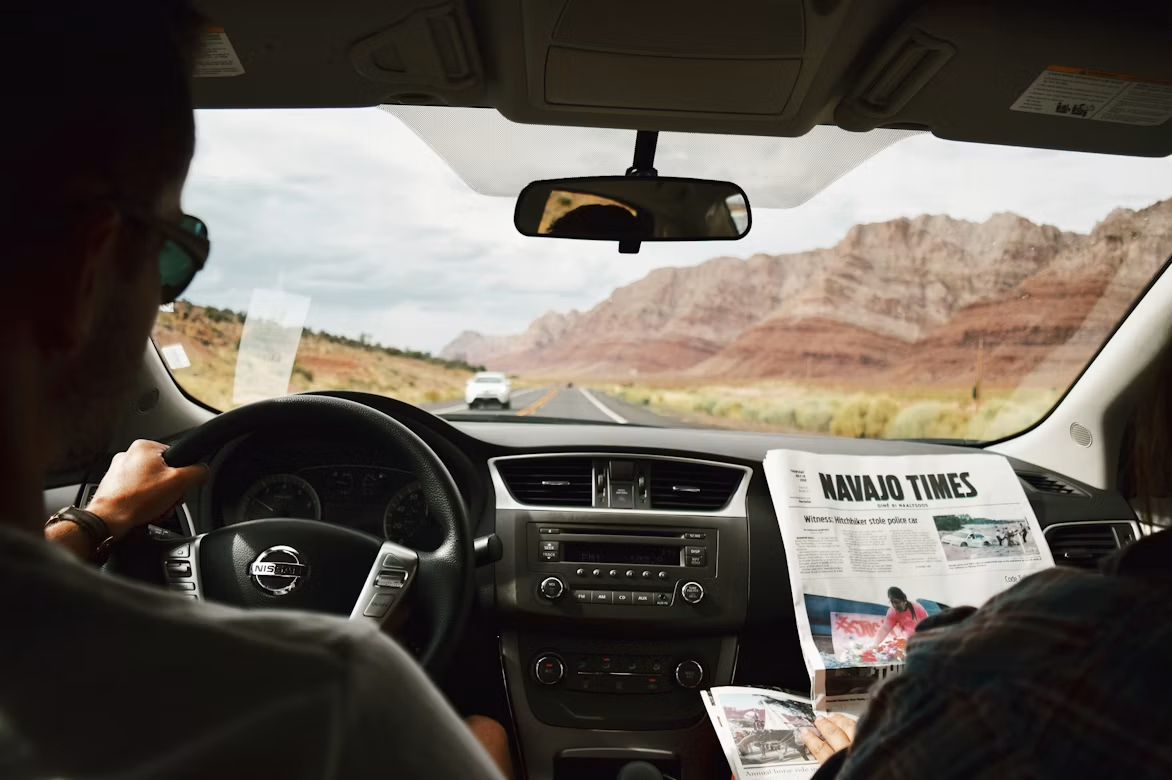
From weekend hiking trips to cross-country road trips, our favorite adventures and recreational activities bring joy and fulfillment to our lives. But these passions often come with a price tag. Without a solid financial plan, the cost of gear, travel, and experiences can add stress instead of reducing it.
Thinking ahead and managing your money wisely helps you fund your adventures without derailing your long-term financial goals.
Budgeting for Your Passions
To fund your hobbies, start by making them a formal part of your budget. Instead of treating recreational spending as an afterthought, create a dedicated category for it alongside essentials like housing and groceries. This simple step makes your passions a financial priority. Begin by tracking how much you currently spend on your activities for a month or two. You might be surprised where the money goes.
Once you have a baseline, you can set a realistic monthly or annual goal. This isn’t about restriction, but about intention. Knowing you have a set amount to work with helps you make conscious choices. If you find your spending exceeds what you can comfortably afford, look for ways to find the funds for a hobby by trimming costs in other flexible areas of your budget, like dining out or subscription services.
Investing in Quality Gear
For many outdoor and adventure sports, the right equipment is essential for both safety and enjoyment. While it can be tempting to buy the cheapest option available, investing in quality gear often saves you money in the long run. Well-made equipment is more durable, performs better, and is less likely to fail when you need it most. Think of it as an investment in your safety and the quality of your experience.
This mindset of investing in your passions applies to everything from a durable backpack to reliable vehicle parts. When you’re out on the trail, you want equipment you can trust. Reputable retailers and specialty stores are excellent resources for finding dependable gear. Whether you’re browsing a site like the Central Alps Off-Road Shop for specific accessories or visiting a local climbing store, focusing on quality ensures your gear will be ready for many adventures to come.
Saving Strategies for Big Purchases
Some recreational goals require more than just monthly budgeting. A dream vacation, a high-end mountain bike, or a specialized training course can cost thousands of dollars. For these big-ticket items, a targeted savings strategy is key. The most effective method is to create a separate, dedicated savings account for your goal.
Give the account a specific name, like “New Zealand Trek Fund” or “Kayak Purchase.” This simple psychological trick makes the goal feel more tangible and keeps you motivated. Set up automatic transfers from your checking account to this savings account each payday.
Even a small, consistent contribution adds up significantly over time. Automating the process means you save without having to think about it, making it one of the easiest ways to build funds for your next big adventure.
Protecting Your Recreational Investments
Once you’ve acquired expensive gear or equipment, it’s important to protect it. Your standard homeowner’s or renter’s insurance policy may not fully cover high-value items like bicycles, kayaks, or specialized sports equipment, especially if they are damaged or stolen away from home. Check your policy for coverage limits on personal property.
If your gear’s value exceeds those limits, consider getting a personal articles floater or a separate policy. This provides specific coverage for listed items and often has a lower deductible. Beyond insurance, proper maintenance is another form of protection. Regularly cleaning, inspecting, and servicing your equipment not only extends its lifespan but also ensures it’s safe to use. Storing gear correctly, away from moisture and direct sunlight, prevents degradation and protects its value over time.
Financial planning for your hobbies doesn’t have to be complicated. Making your passions a priority in your budget and saving strategically helps you ensure your adventures are a source of excitement, not financial strain.