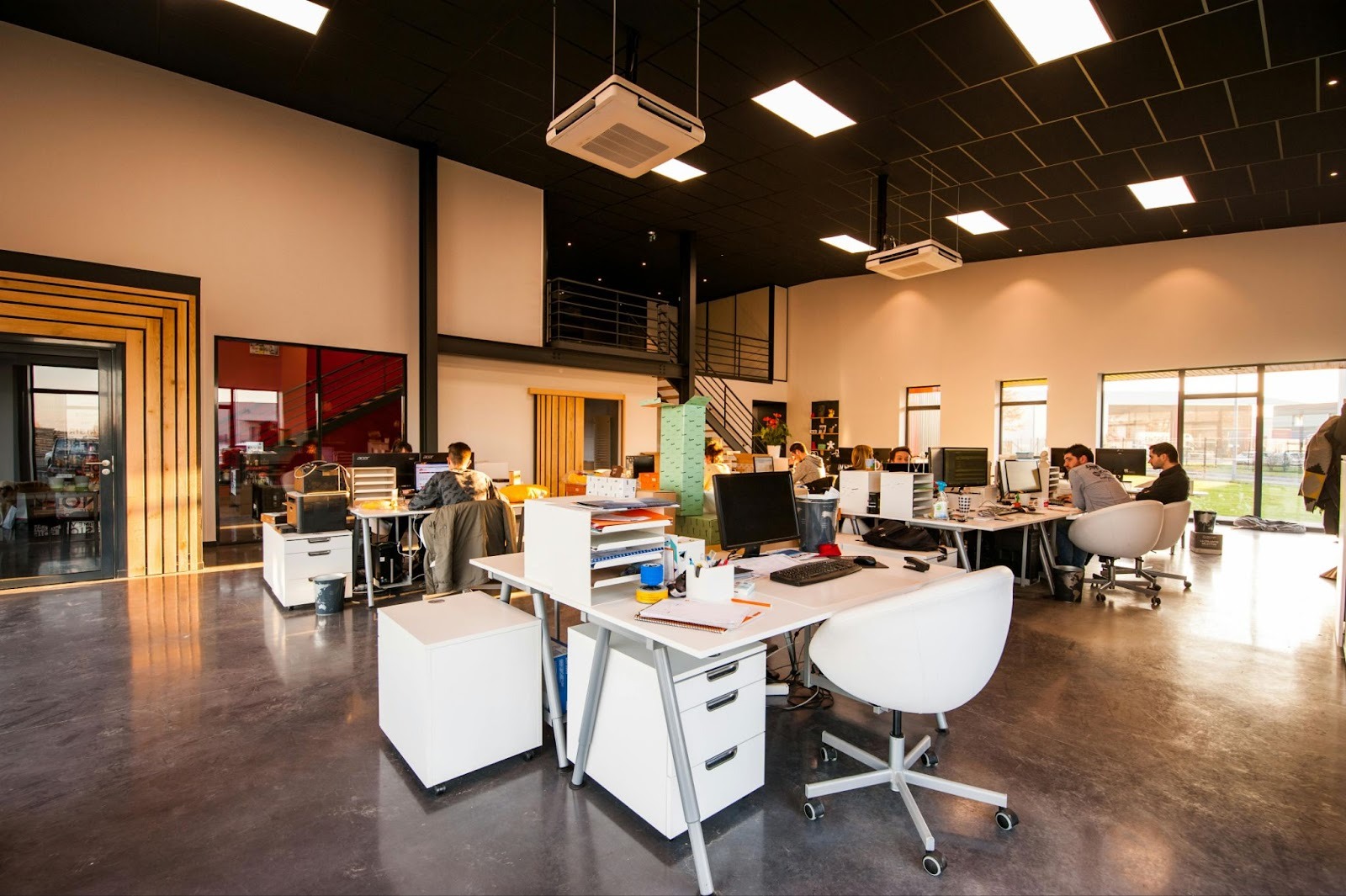
When you run a business and move into a new premises, it’s an exciting period. Moving to a new space is exciting as it shows your business is growing and it will enable you to grow more – you’ll be able to employ more people as well as offer different services, if the new building allows for it.
Once you have decided to move, there are various things you should think about to ensure the move is right for you. The new building should support your future growth as well as be in a safe location (although, however safe, you should have security measures in place, such as a Security System Installation). It should also be easy to get to and be in an area you know you will attract more customers by being there – for example, moving from a small town to the centre of London.
Below, we have put together a brief guide on three things to consider when moving to a new premise.
The location
One of the most important things to consider is the location of your new building. Location is so important for various reasons, such as it being in a safe space and in a popular area, to attract new business. Your location should also be easy for your current employees to get to as well as be easy for new clients to come and visit – if you have clients visiting regularly. Think about transport links, parking availability, and proximity to key amenities such as cafés, banks, and public transport.
Future growth
Make sure the new space is designed for your future growth as well as matching your current state. The reason being is simple, you don’t want to have to move out of this new premise shortly after moving in, due to you expanding. Look at factors such as storage space, meeting rooms, breakout areas, and the flexibility of the floor plan. An open layout may work well for collaborative teams, while private offices might be necessary for confidential work. You may want to think about how you can implement technology into the new building as tech is constantly developing.
Budget
It goes without saying, making sure you can afford the new space now and in the future. Before signing on the dotted lines, put all the costs together in a spreadsheet and forecast any future costs you think will be associated with the building, such as great insurance costs as well as the cost to employ more people to work for you. Additionally, review the terms of your lease or contract carefully. Long-term agreements can provide stability but may also limit flexibility if your business needs change. Every business should have a budget which includes all their costs to help them make decisions.
We hope you have found this guide useful. What tips would you recommend to business owners who are planning on moving to a new space? Which of the above tips would you say is most important? Is there anything missing in our guide that you would like to see added? Let us know in the comment box below. We look forward to hearing from you.