The True Stakes of Global Feminism
In the modern discourse of global feminism, the term “oppression” is frequently used, but its weight varies dramatically depending on where you stand on the map. In the United States, political debates often frame administrative requirements, such as the SAVE Act’s mandate for photo ID at the polls, as a form of systemic suppression.
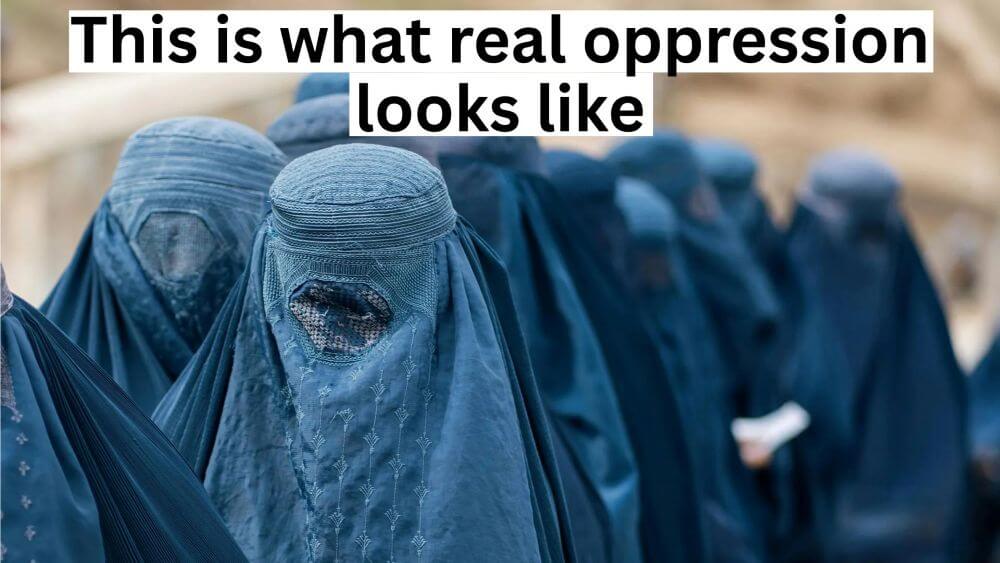
However, when we look across the globe to Afghanistan and Iran, the definition of oppression takes on a much more literal and lethal meaning. For those who identify as feminists, the priority must shift toward women facing the erasure of their basic human rights.
The Erasure of Girls in Afghanistan
Since 2021, the Afghanistan has systematically dismantled the future of an entire generation. According to UNICEF, approximately 2.2 million girls are currently impacted by restrictions that limit their education strictly to the primary level.
- Educational Ban: Girls are barred from attending secondary schools and universities.
- Economic Impact: Professional roles for women have been virtually eliminated.
- Social Isolation: Women are restricted from parks, gyms, and traveling without a male guardian.
Comparing a request for a photo ID to the total prohibition of literacy is not just a reach—it is a dismissal of the suffering of Afghan women.
The Iranian Struggle: Education vs. Autonomy
In Iran, the situation for global feminism is more nuanced but equally dire. While Iranian girls can attend school and university, their path is far from free. Authorities have restricted access to specific fields of study and enforced strict gender-based rules.
The physical danger in Iran stems from the “Woman, Life, Freedom” movement. The regime’s response to protests has been one of assassination and brutal repression.
- Hijab Laws: Failure to wear a hijab can result in anything from a fine to a public lashing.
- Severe Sentencing: In extreme cases, women face 10 to 15 years in prison for defying dress codes.
- The Current Conflict: With tensions rising between Iran, the U.S., and Israel, it is vital to remember that the spark for resistance came from the Iranian people themselves crying out for help.
Why the SAVE Act Isn’t the “Oppression” We Think
The SAVE Act, proposed by Donald Trump, asks U.S. citizens to show a picture ID when voting. Critics argue this is a barrier to entry. Yet, in the context of global feminism, a requirement to show an ID to participate in a democracy is a procedural hurdle, not an existential threat.
In a world where women are being lashed for showing their hair or banned from reading books, our outrage is a finite resource. We must ask ourselves: are we spending it on the right battles?
A Call to Action for True Advocates
If you call yourself a feminist, your attention belongs where the stakes are highest. Supporting the end of the Iranian regime and demanding educational rights for Afghan girls are the true front lines of the movement.
We cannot allow the comforts of Western political debate to blind us to the screams for help coming from the Middle East. Global feminism must mean standing with the women who have the most to lose.
Summary and FAQ
There is a huge disparity between Western political grievances and the life-and-death struggles of women in Iran and Afghanistan. True feminism requires a refocusing of attention on state-sponsored violence and the removal of basic human rights.
Frequently Asked Questions (FAQ)
What is the SAVE Act and why is it controversial? The SAVE Act is a U.S. legislative proposal requiring proof of citizenship and photo ID for voting. Critics view it as an unnecessary barrier, while supporters see it as a security measure.
How many girls are out of school in Afghanistan? According to UNICEF, over 2 million girls are being denied secondary and higher education under current Taliban restrictions.
Why is Iran considered a feminist issue? Iran’s mandatory hijab laws and the violent suppression of female protesters represent a significant violation of bodily autonomy and freedom of expression.
How can I support global feminism? Support organizations that provide underground education in Afghanistan and advocate for the rights of political prisoners in Iran.
Previous opinion posts
- The Future of Work and Technology: Living the Nomad Life in Montreal
- Failed Climate Predictions: The Woke Politician Who Sell The Hoax
- Elon Musk Offers To Pay TSA Salary: Leadership vs. Democratic Incompetence