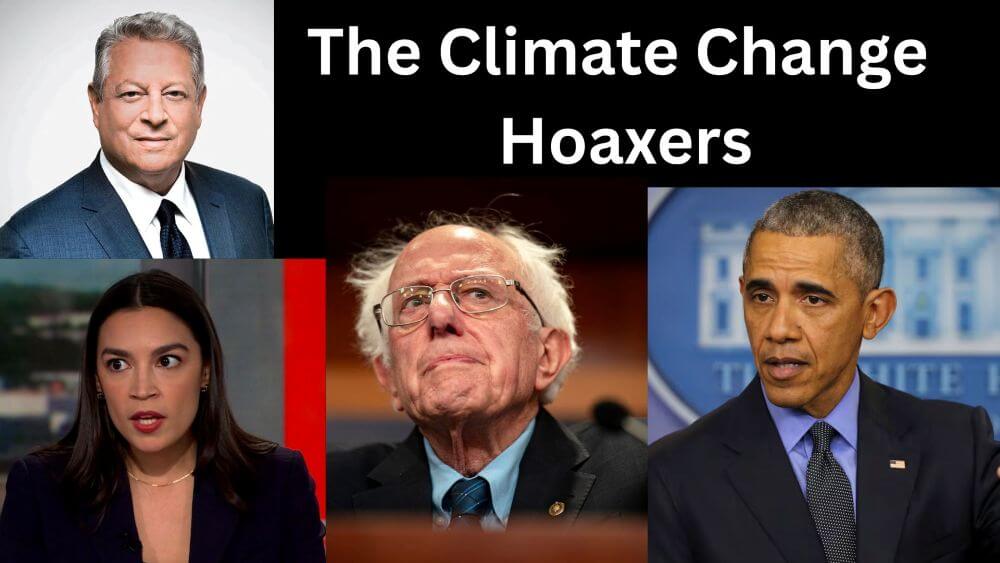
Failed Climate Predictions: Why Political Credibility Is Evaporating
We have been told the world is ending for fifty years. If you listen to the “experts” and political elites, we should have been underwater, frozen over, or crisped to a cinder at least a dozen times by now.
These failed climate predictions are not just harmless errors in judgment. They represent a fundamental breakdown in trust between the governing class and the people they claim to protect.
When every decade comes with a new “final deadline” that passes without incident, the public eventually stops listening. We are currently living through a masterclass in the “Boy Who Cried Wolf” phenomenon, and the results are getting expensive.
A History of Moving Goalposts
The timeline of failed climate predictions is as long as it is entertaining. From the “New Ice Age” scares of the 1970s to the “Submerged Cities” of the 2010s, the goalposts are on wheels.
- The 1970s Cooling Scare: Before global warming was the trend, we were told a new Ice Age was imminent. Scientists warned that the Earth was cooling so fast we’d be farming in the Sahara.
- The 1980s Maldives Panic: In 1988, officials claimed the Maldives would be completely underwater by 2018. Today, the islands are still there, and luxury resorts are being built faster than ever.
- The 2006 “Point of No Return”: Al Gore famously suggested in 2006 that we had ten years to save the planet. Ten years later, we were still here, but his net worth had significantly improved.
The 12-Year Clock and the Death of Nuance
In January 2019, Representative AOC famously upped the ante. She claimed the world would literally end in 12 years if we didn’t address carbon emissions.
This type of rhetoric is the peak of failed climate predictions. It isn’t based on a sober analysis of data; it’s a political tool designed to bypass debate through fear.
When you tell a generation of children that they won’t grow up to see adulthood, you aren’t “raising awareness.” You are creating a nihilistic, anxious population that eventually realizes they’ve been lied to for votes.
Woke Politicians Crying Wolf
Here are several prominent figures who have been sounding the alarm for political gain.
More Than 10 Years Ago (2006–2016)
- Al Gore (Former Vice President): Perhaps the most famous voice on the subject, Gore released An InCONvenient Truth in 2006. In the film, he famously suggested that unless drastic measures were taken, the world would reach a “point of no return” within 10 years.
- Barack Obama: In his 2015 State of the Union address, President Obama stated, “No challenge—no challenge—poses a greater threat to future generations than climate change.” He also warned in 2013 that we must act “before it’s too late” to avoid a planet that is “beyond fixing.”
- Bernie Sanders: During a 2012 speech on the Senate floor, Sanders called climate change a “planetary crisis” and argued that the need for urgent action was “indisputable.” He has consistently described it as the greatest national security threat to the U.S. since the early 2010s.
The Great Energy Irony: Climate Alarmism Meets Reality
The most recent chapter of this comedy involves the current geopolitical climate. For years, liberal thinkers have demanded we “keep it in the ground” and dismantle the oil industry.
Now, as the conflict with Iran escalates and global oil prices skyrocket, these same voices are outraged at the gas pump. They want the benefits of a modern industrial economy without the energy that fuels it.
- War and Scarcity: Geopolitical instability in the Middle East has sent crude prices north.
- The Policy Trap: By stifling domestic energy production in the name of climate deadlines, we’ve made ourselves vulnerable to every hiccup in the Persian Gulf.
- The Hypocrisy: You cannot demand the end of fossil fuels on Monday and complain about the high price of gas on Tuesday.
Why No One Believes the “Experts” Anymore
Credibility is like a lithium battery: once it’s drained to zero, it’s incredibly hard to recharge.
The public sees a pattern. They see politicians flying private jets to climate summits to tell us to eat bugs and drive golf carts.
When failed climate predictions become a recurring theme, people start to look at the motives. Is this about the environment, or is it about the massive redistribution of wealth and control?

Summary: The Cost of Crying Wolf
The “wolf” has been called so many times that the village has gone back to sleep. By using apocalyptic language to push policy, politicians have sacrificed their long-term authority for short-term headlines.
If we want a real conversation about the environment, we need to stop the doomsday clocks and start dealing with reality. Until then, expect the skepticism to keep growing as fast as the price of a gallon of gas.
FAQ: Questions About Political Climate Rhetoric
Have any major climate “end of the world” predictions come true? While the climate is changing, the specific “end of the world” dates provided by politicians (such as the 10-year or 12-year windows) have historically passed without the predicted total collapse.
Why do politicians use such extreme language regarding the climate? Apocalyptic rhetoric is often used to create a sense of urgency, which can help in passing radical legislation or securing funding that might otherwise be debated more thoroughly.
How do high oil prices relate to climate policy? Policies driven by climate alarmism often discourage investment in oil and gas. When geopolitical events like the Iran conflict occur, the lack of supply leads to the price spikes we see today.