The modern workplace has changed a lot, moving far beyond just four walls and a fixed address. For small businesses, this shift from a physical office to a team that works from anywhere is a major strategic advantage. Building a remote team lets entrepreneurs stay flexible, access specialized skills, and build a stronger, more cost-effective organization. By rethinking old structures, small business owners can find growth opportunities that once felt out of reach. For example, embracing flexible work models helps businesses tap into a wider talent pool and boost productivity, ultimately improving remote team efficiency and encouraging innovation.
Beyond the Traditional Office Setup
For decades, businesses typically operated from a central office where employees worked from nine to five. This setup offered a clear way to collaborate and oversee work, but it also had its limits. It meant hiring only people who lived close enough to commute, requiring big investments in office space, and often leading to rigid work processes that stifled new ideas. The shift to remote work challenges these assumptions, pushing businesses to focus on results rather than hours spent at a desk.
To make this change, leaders need to shift from managing by presence to leading by performance. Instead of watching when and where employees work, the focus turns to the quality and timeliness of their contributions. This approach gives employees more freedom and flexibility, which can boost job satisfaction and productivity. As discussions about the rise of remote work show, the key is to set clear expectations, build strong communication channels, and foster trust. For a small business, moving beyond the traditional office isn’t just about saving on rent; it’s about building a modern, results-driven organization ready for the future.
Accessing a Global Talent Pool
One of the biggest advantages of a remote-first approach is that it removes geographical limits when hiring. Small businesses no longer have to settle for nearby talent. Instead, you can search for the best person for a role, no matter where they live. This opens up a huge global pool of talent with specialized skills that might be rare or too expensive locally.
For example, a growing construction or trades business might need administrative support for quoting, scheduling, job records, and keeping customer communication organized. Finding someone who already understands those workflows can make the search much easier, particularly when the right experience isn’t available nearby. This is where roles such as an offshore construction admin can help a business access someone familiar with the administrative side of construction while the core team stays focused on completing jobs. The same principle applies across other industries, from tech startups seeking niche developers to marketing agencies looking for multilingual content creators.
By unlocking global talent, companies can build teams with diverse viewpoints and a wide range of experiences. This diversity isn’t just good for society; it’s a competitive edge that sparks creativity and problem-solving. A team made up of people from different backgrounds brings unique insights, helping your business better understand and serve a broader customer base.
Reducing Operational Overheads
For any small business, managing money is a top priority. The costs of keeping a physical office can eat up a big chunk of the budget. A remote team model drastically cuts or even eliminates many of these operating expenses, freeing up money to reinvest in growth, marketing, or new products.
The most obvious saving is commercial rent, often one of a company’s highest fixed costs. Beyond that, savings add up in many other areas:
- Utilities: No more electricity, heating, internet, and water bills for an office.
- Office Supplies and Equipment: Costs for desks, chairs, printers, paper, and kitchen supplies drop significantly.
- Insurance and Maintenance: Expenses tied to insuring and maintaining a physical workspace disappear.
These direct savings help create a leaner, more financially stable business. Remote work can also make businesses more efficient in other ways. Studies show that remote workers often report being happier in their jobs, which can reduce employee turnover. Less turnover means spending less on recruiting, hiring, and training new staff. When you’re not paying for a physical space, you can use those funds more strategically, like offering better salaries or investing in better technology to support your distributed team. This financial flexibility helps a small business stay adaptable and better prepared for economic ups and downs.
Maintaining Team Cohesion Remotely

Image Credit: Unsplash
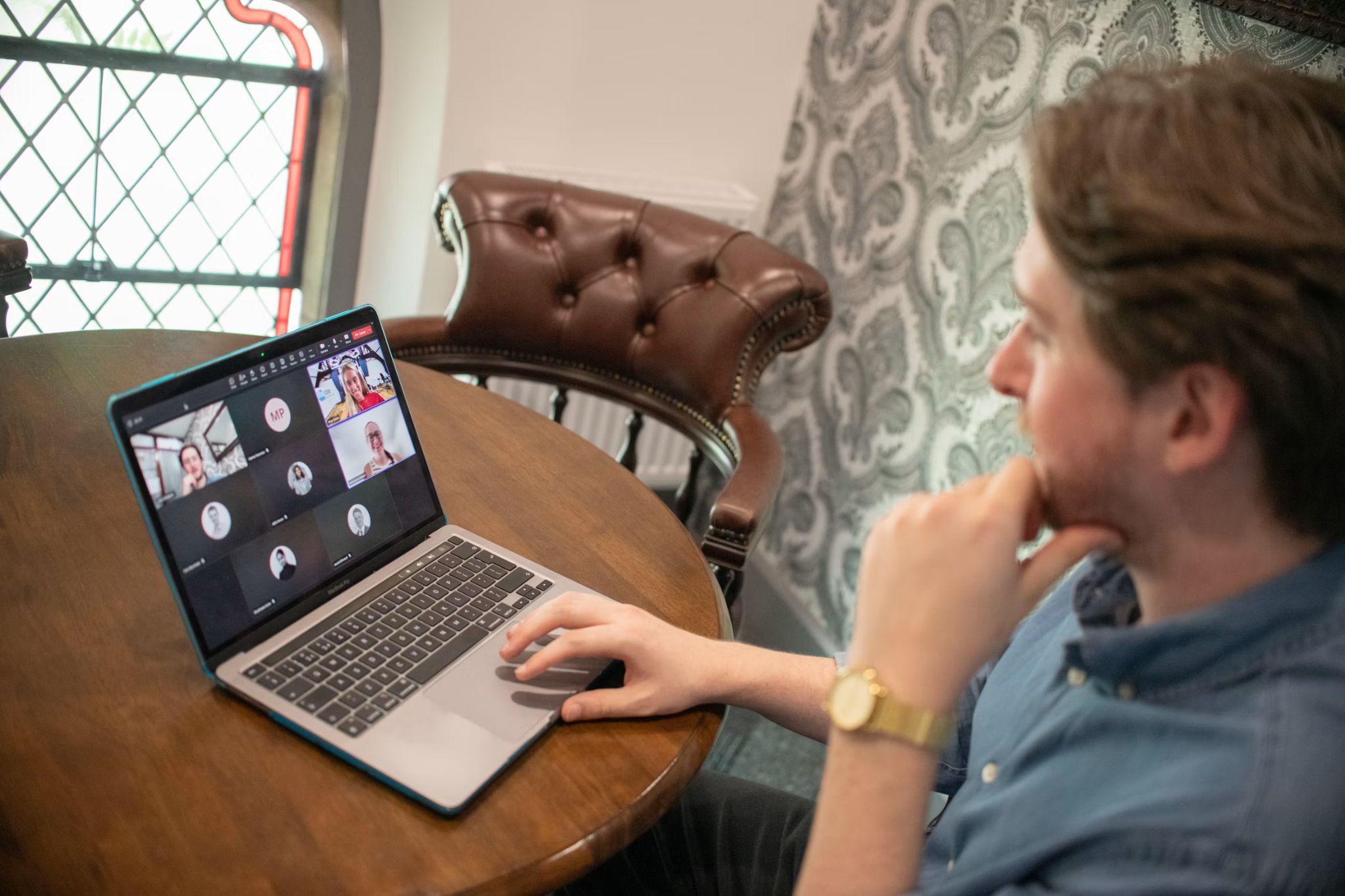
Leaders often worry about losing team spirit and company culture when considering a remote model. If colleagues aren’t sharing a physical space, how do you encourage the spontaneous collaboration and personal connections that build a strong team? While it takes conscious effort, creating a lively remote culture is definitely possible. The trick is to replace informal office interactions with structured and intentional communication practices.
First, establish a clear, consistent communication rhythm. This includes:
- Regular Team Meetings: Daily or weekly video check-ins help everyone stay aligned on priorities and provide a space for open discussion. These meetings should be about connecting and solving problems, not just giving status updates.
- Dedicated Communication Channels: Use tools like Slack or Microsoft Teams to create virtual spaces for different projects, topics, and even casual chats. A “watercooler” channel for non-work conversations can help mimic the casual social interactions of an office.
- One-on-One Meetings: Managers should schedule regular one-on-one video calls with each team member. These meetings are vital for giving individual feedback, discussing career growth, and checking in on personal well-being.
Beyond formal meetings, create opportunities for social connection. Virtual team-building activities, such as online games, remote coffee breaks, or virtual happy hours, can help strengthen personal relationships. Publicly recognizing achievements and celebrating milestones as a team reinforces a sense of shared purpose. The goal is to deliberately create a supportive and connected environment where every team member feels valued and understood, no matter where they are.
Scaling Operations with Flexibility
Most small businesses aim for growth, but scaling can be complicated with many logistical hurdles and business operational challenges. A remote team structure offers unmatched flexibility, letting a company expand or shrink its operations with remarkable ease. Without the restriction of physical office space, you can grow your team based on business needs rather than how much real estate you have.
This flexibility is especially useful for businesses with changing workloads or seasonal demand. For example, an e-commerce company can hire extra customer service representatives worldwide to handle the holiday rush and then scale back in the new year without worrying about empty desks. Similarly, a project-based business like a creative agency can put together a specialized team for a big client contract and then disband it once the project is done. This ability to scale with global remote teams lets you use resources efficiently and minimize financial risk.
What’s more, a distributed team lets a business establish a presence in new markets without the huge upfront cost of opening a physical branch. You can hire team members in a new region to do market research, build local partnerships, and serve customers in their own time zone. This “soft entry” into new territories is a low-risk way to test market viability and build a foundation for future growth. Ultimately, a remote workforce turns your team from a fixed asset into a dynamic resource that can adapt and grow alongside your business ambitions.
Adopting a remote or hybrid model can help you build a more resilient, efficient, and competitive small business. Focusing on talent over geography and performance over presence helps you create a dynamic organization ready for sustainable growth.