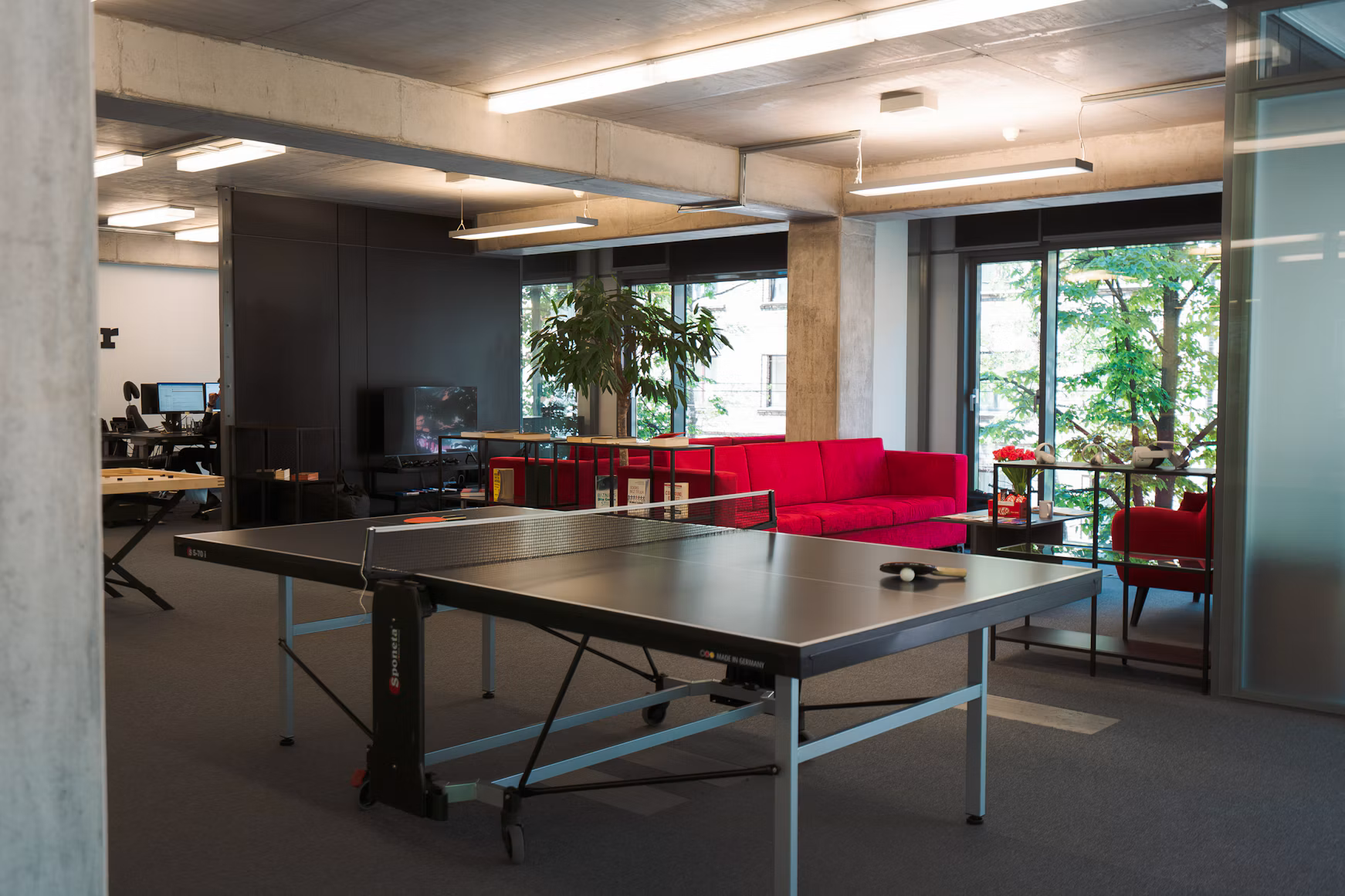
Open offices can quietly consume thousands of dollars in lost concentration, repeated work and avoidable stress. A conversation across the room interrupts a financial forecast. A ringing phone breaks a writer’s train of thought. Two colleagues discussing lunch force everyone nearby to spend mental energy filtering out words.
Those moments look harmless when viewed one at a time. Across an entire team and a full year, they become a measurable operating expense. Companies can reduce that expense by tracking interruptions, identifying where sound travels and redesigning selected areas for focused work.
Calculating the Price of Daily Distractions
Start by estimating how much productive time noise takes from your team. The visible interruption may last only three minutes, but employees also need time to remember what they were doing and rebuild concentration. That recovery period matters when the task involves analysis, writing, coding or detailed financial work.
Coverage of the hidden cost of distractions highlights how small interruptions accumulate and affect output. Managers can put a rough value on the problem with a simple internal calculation.
Suppose 20 employees lose an average of 30 minutes per day to nearby conversations and office noise. That equals 10 working hours each day. At an estimated employment cost of $40 per hour, the daily loss is $400. Across 240 working days, the annual cost reaches $96,000.
That figure won’t be exact, but it gives decision-makers a useful baseline. A short employee survey can improve the estimate. Ask which sounds create the most disruption, when noise peaks and which tasks are hardest to complete in the current environment.
Review other warning signs as well. Missed details, duplicated work, longer turnaround times and employees regularly moving to hallways or cafes may point to an unsuitable workspace. If people arrive early or stay late simply to find quiet, the office is shifting the cost of poor acoustics onto their personal time.
Why Modern Workers Struggle with Sound
The brain naturally pays attention to speech because words may contain useful information. That response makes nearby conversations particularly difficult to ignore. Employees may understand every word without trying, even when the discussion has nothing to do with their work.
Reports on workplace noise distractions connect excessive sound with weaker concentration and lower productivity. The effect varies by job. A salesperson between calls may tolerate background activity, while an accountant reconciling figures needs sustained attention. Treating both roles as though they have identical acoustic needs creates unnecessary friction.
Layout also shapes the problem. Hard flooring, bare ceilings and large uncovered walls reflect sound around a room. Desks placed along busy walkways expose employees to repeated conversations and movement. Video meetings add another layer because several people may speak at once from different parts of the office.
Research and analysis on open-office performance also challenge the assumption that fewer walls automatically produce better collaboration. When employees lack privacy, they may rely more heavily on email or messaging even while sitting close together.
Map the office before choosing a solution. Mark quiet tasks, collaborative work, phone calls and informal meetings on a floor plan. For areas that need separation without becoming dark or enclosed, obtaining estimates for glass office partitions can help business owners, property managers, architects and fit-out contractors compare acoustic options with the ongoing cost of interruptions.

Image Credit: Unsplash
Physical Barriers That Preserve Natural Light
A useful office redesign controls sound while keeping daylight and visual connection. Solid walls can create effective separation, but they may block windows or make a compact floor plan feel smaller. Transparent and partially screened barriers offer another option for meeting rooms, private offices and concentration zones.
Begin with the noisiest boundaries. A conference table beside a row of individual desks creates a predictable conflict, so enclosing the meeting space may produce more value than making small changes across the entire floor. Phone booths or enclosed rooms can handle calls that involve private information or extended discussion. Quiet zones should sit away from kitchens, reception areas and main walkways.
Materials inside each zone still matter. Acoustic ceiling panels, fabric-covered furniture and suitable flooring can absorb reflected sound. Door seals help prevent speech from escaping enclosed rooms, while privacy film can reduce visual distraction without removing daylight. Plants may soften a space visually, but they shouldn’t be treated as a substitute for tested acoustic materials.
Ask suppliers or fit-out teams for measurable performance information instead of relying on labels such as “soundproof.” The basics of occupational noise explain sound exposure in terms of level, frequency and duration. Office projects have different goals from industrial noise control, yet the same principle applies: performance should be measured.
After installation, repeat the original employee survey. Compare complaints, task completion times and room usage over four to six weeks. If quiet rooms remain empty, booking rules or ventilation may be the problem. If they’re constantly full, the office probably needs more focused-work capacity.
Better Focus Means Healthier Margins
A quieter workplace can improve financial performance without requiring a complete office rebuild. The best investments target specific points where sound interferes with valuable work. That might mean enclosing one meeting room, moving a sales team away from analysts or creating a library-style area for concentration.
Set a few business measures before making changes. Useful measures include error rates, project turnaround time, overtime hours and the number of employees working remotely to escape office noise. Compare those figures with the cost of acoustic improvements and any space lost to enclosed rooms.
Managers also need to set behavioral expectations. Even a well-designed office will struggle if informal meetings happen beside focused workers or if every video call uses speaker mode. Create clear categories for work areas and explain them during onboarding:
- Quiet zones for tasks requiring sustained concentration
- Collaboration zones for discussion and project work
- Enclosed rooms for calls and meetings
- Shared social areas for breaks and informal conversation
Give employees some control over where they work during the day. A designer might join a team discussion in the morning, move into a quiet area for production work and use a private room for a client call. That flexibility supports different tasks without assigning every person a private office.
Review the results quarterly because teams and work patterns change. A workspace designed around last year’s staffing plan may no longer fit after a department expands or introduces more video meetings. Occupancy sensors, room-booking data and short staff surveys can reveal those shifts before productivity declines.
Noise reduction should appear in the budget as an operational investment with expected returns. If a $25,000 project recovers even 15 minutes per day across 20 employees, the payback may arrive far sooner than leaders expect. The most useful number will be the one drawn from your own payroll, interruption logs and follow-up results.
Leave a Reply