Successful commercial construction projects are built from the ground up, quite literally. The initial earthworks phase sets the stage for everything that follows, from the stability of the foundation to the final project budget. Efficiently managing this stage is not just about moving dirt; it’s about strategic planning, precise execution and smart resource management. A streamlined approach to earthworks can prevent costly delays, ensure structural integrity and keep your project on track from day one.
This guide outlines the key steps to streamline earthworks for any commercial project, ensuring a solid and efficient start.
Planning Your Project Timeline
Before any soil is moved, a detailed project timeline is essential. This initial planning phase is where you can anticipate challenges and allocate resources effectively. Start by conducting thorough site surveys and geotechnical investigations to understand the soil composition, topography and any potential underground obstacles. This information will directly influence the time and equipment needed. Applying smart land management strategies can also improve project efficiency by helping businesses make informed decisions about site use, resource allocation, and long-term development goals.
Your timeline should account for necessary permits and approvals, which can vary significantly depending on the location and scope of the project. Factor in potential weather delays, especially if working in seasons with unpredictable conditions. A well-structured timeline sequences tasks logically: land clearing must happen before grading, and trenching for utilities must be coordinated with foundation work. Building buffer time into your schedule provides a cushion for unexpected issues, preventing a single delay from derailing the entire project.
Key Stages of Site Preparation
With a plan in place, the physical work begins. Site preparation involves several distinct stages, each critical for the project’s long-term success. The importance of site preparation cannot be overstated, as it creates a stable and safe base for all subsequent construction activities. The process generally follows a clear sequence.
First is site clearing, which involves removing all vegetation, debris and existing structures from the area. This is followed by the core excavation work, where the ground is dug out to the required depths for foundations, basements or utility trenches. After excavation, the site is graded to create the correct slope for drainage and a level base for construction. Finally, soil compaction ensures the ground is dense and stable enough to support the weight of the new building. Each step in this process must be executed with precision to meet engineering specifications and ensure proper site preparation.
Choosing the Right Equipment
Selecting the appropriate machinery is crucial for efficiency and cost-effectiveness. Using equipment that is too small for the job will slow down progress, while oversized machinery can be unnecessarily expensive and difficult to maneuver. The choice of equipment depends entirely on the specific tasks at hand.
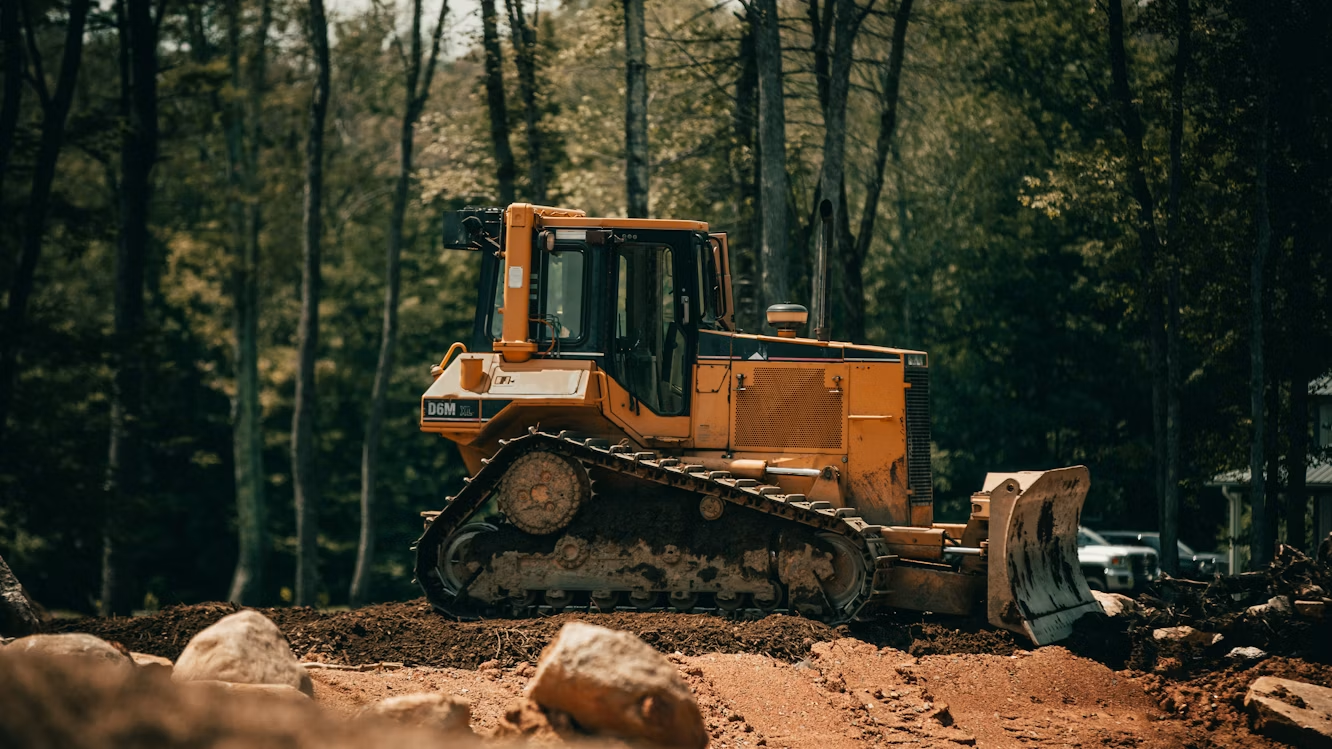
- Bulldozers and Loaders: Ideal for clearing large areas and moving significant volumes of soil during the initial grading phase.
- Excavators: Essential for digging foundations, trenches and basements with precision. Their versatility makes them a staple on most commercial sites.
- Compactors: Used after grading to compact the soil, creating a firm and stable foundation that prevents future settling.
For many businesses, renting equipment for the duration of the project is more economical than purchasing it. Partnering with an experienced earthworks contractor can also provide access to the right fleet of machinery and the skilled operators needed to run it effectively.
Managing Material Removal
Earthworks projects almost always generate excess material, including soil, rock, concrete and vegetation. Managing the removal of this material is a significant logistical challenge that requires careful planning. A clear disposal strategy helps control costs and ensures compliance with environmental regulations.
First, determine the volume and type of material that will be removed. Some of this “spoil” may be reusable as fill in other areas of the site. For material that must be removed, identify approved disposal sites or recycling facilities in advance. Transporting heavy materials is expensive, so optimizing haul routes and minimizing travel distance can lead to substantial savings. In some cases, you may be able to find nearby projects that need fill dirt, creating a mutually beneficial arrangement that reduces disposal fees and transport costs.
By carefully planning each phase of the earthworks process, you establish a strong foundation for your entire commercial project. This foresight not only streamlines operations but also mitigates risks, controls budgets and ensures a higher quality result.