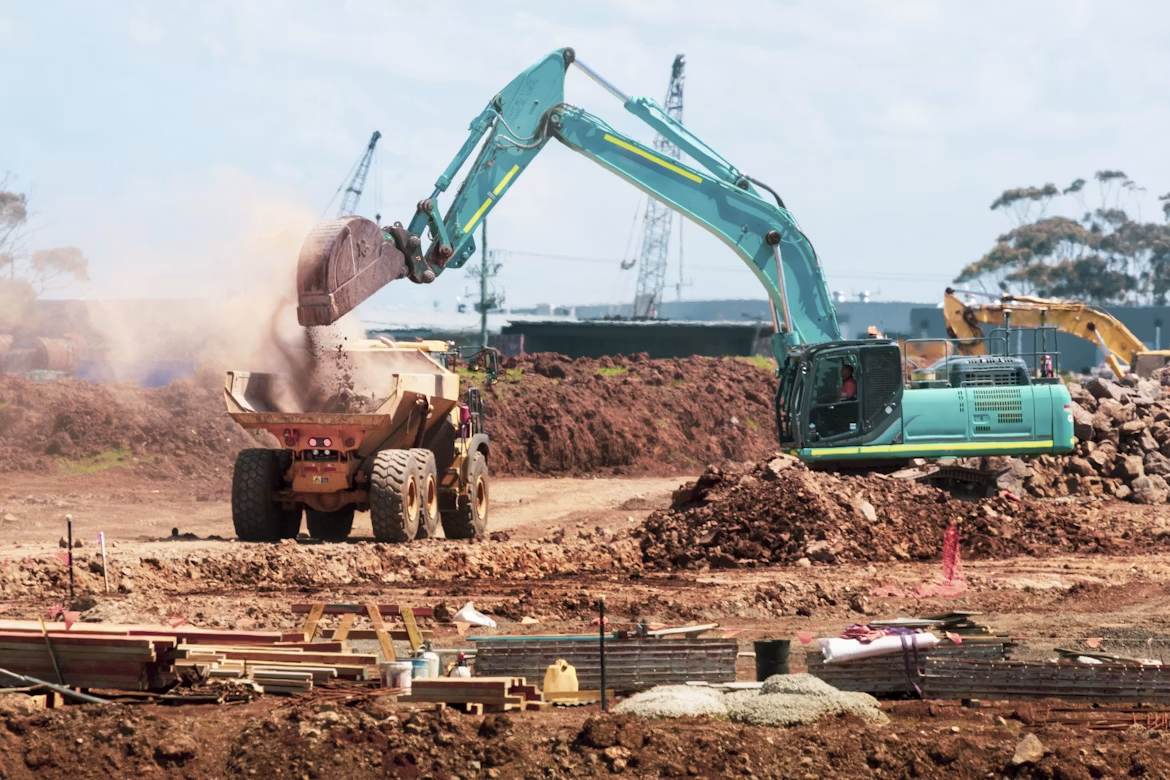
Large construction and infrastructure projects rely on a fundamental process that’s often more complicated than it seems. Moving huge amounts of soil, rock, and other materials brings significant engineering challenges that need more than just heavy machinery. To succeed, you need a strategic, solution-focused approach that deals with specific site conditions, operational limits, and environmental responsibilities right from the start.
Understanding Site-Specific Needs
Before any digging begins, a detailed look at the project site is the most important step. Every location has its own geology and landscape, which shapes the entire approach. Geotechnical engineers take soil samples and run lab tests to figure out the soil’s makeup, density, moisture, and strength. This information shows whether the team will be working with solid rock, loose sand, expanding clay, or a mix of these.
This basic analysis guides every part of the later earthmoving plan, from choosing equipment to setting project timelines. Knowing the groundwater levels is also key, as they can affect how stable an excavation is and might require dewatering systems. A detailed survey maps the land’s current shape, giving a starting point for calculating how much earth needs to be cut and filled, and for planning efficient haul routes. Skipping these first steps often leads to unexpected costs, delays, and safety risks.
Tailored Approaches to Groundwork
Once they have a clear understanding of the site, engineers can create a custom plan. There’s no single solution for complex groundwork; each project needs a strategy tailored to its specific problems. For example, digging for a new building in a city with other structures nearby needs a completely different method than a large rural development.
Developing tailored excavation strategies is crucial for projects with specific limitations. This might mean using shoring or retaining walls to support nearby buildings, or using benching techniques for deep cuts in unstable soil. The plan also includes exact sequencing, detailing which areas are dug first and how material is stored or removed to keep work safe and efficient. Proper grading and soil compaction are engineered to make sure the final landform is stable and provides a solid base for whatever is built on it.
Precision in Equipment Deployment
How well any groundwork plan works depends on having the right equipment for the job. The size and type of machinery must carefully match the soil conditions, the project’s scale, and site access. Using an excavator that’s too big can be inefficient in tight spots, while one that’s too small might struggle with dense rock, causing delays and more wear and tear.
Modern equipment fleets include a wide range of specialized machines, from GPS-guided dozers that can level a surface with millimeter accuracy to articulated trucks that can handle rough terrain. The goal is to create a balanced and efficient system where excavators, loaders, and haul trucks work together smoothly. For deep excavations or work on unstable slopes, an expert earth support design becomes a vital safety and structural requirement, making sure the excavation walls stay intact throughout the project.
Managing Environmental Impact
Modern engineering solutions for earthmoving go beyond just technical and logistical aspects, often showing the hidden cost of over-engineering. Environmental care is now a central part of any responsible project plan. Uncontrolled soil erosion can lead to sediment washing into local waterways, harming aquatic life. Similarly, dust from digging and hauling can create air quality problems for nearby communities.
Effective management involves putting a set of best practices into action. These often include:
- Installing silt fences and sediment basins to catch runoff.
- Using water trucks or other dust control methods to manage airborne particles.
- Setting up designated, stable entry and exit points to avoid tracking mud onto public roads.
- Creating plans for handling and properly getting rid of any contaminated soil found on site.
These steps aren’t just about following rules; they show a commitment to reducing the project’s impact and being a responsible partner in the community.
Ultimately, tackling complex earthmoving challenges clearly demonstrates engineering expertise in action. It turns a task of brute force into a process of precision, strategic planning, and environmental responsibility, laying a stable foundation for progress.