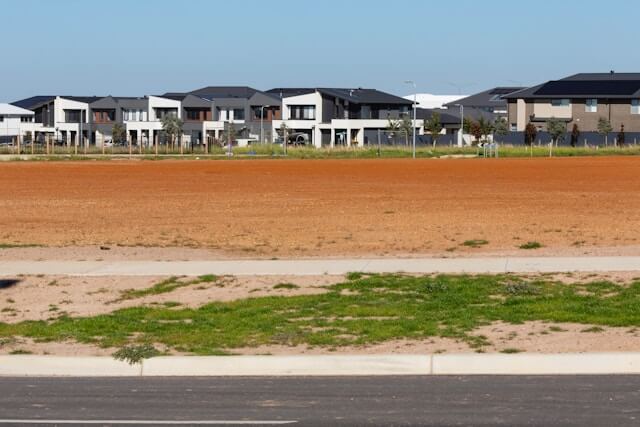
For many businesses, land isn’t just a place; it’s a big asset on the balance sheet. But often, this asset sits there, seen as a fixed part of the business rather than a real chance to maximize profits. Strategic land management turns raw land from something that just sits there into an active part of your business plan. It can make money, cut costs, and boost your company’s overall worth. By actively shaping how you use and maintain your property, you can get the most financial value out of it.
Maximizing Asset Value Through Land Use
Land that isn’t developed or used enough means you’re missing out on a lot. To manage land proactively, you first need to figure out the best way to use your property, both now and in the future. This might mean getting a piece of land ready for commercial buildings, renting it out for farming, or saving it for future company growth. Even if you don’t plan to build right away, thinking about land as a capital preservation strategy helps you see how it fits into your company’s financial health.
The main idea is to stop being passive and start being active. Look at zoning rules, how easy it is to access utilities, and what the market needs to find ways to make money. A property that seems empty could be perfect for a solar farm, a cell tower lease, or a recreation spot. Knowing these possibilities helps you make smart choices that turn a static asset into a steady source of business growth.
Efficient Vegetation Management Strategies
One of the quickest and most effective things you can do in land management is control the plants. Overgrown bushes, invasive plants, and thick undergrowth can make your property worth less, create dangers, and hide its real potential. Clearing this growth is key for surveying, developing, and general upkeep. Old ways like bulldozing and burning can be slow, expensive, and bad for the environment.
Newer methods offer a better, more eco-friendly solution. For example, Forestry mulching uses special machines to shred trees and brush right where they are, putting valuable organic material back into the soil. This one-step process is quicker than traditional land clearing, doesn’t disturb the soil much, and means you don’t have to haul away or burn debris. It’s a good way to clear overgrown areas, create firebreaks, and get sites ready for future use, all while making the soil healthier.
The Financial Benefits of Clear Land
A property that’s well-kept is naturally worth more. When land is clear and easy to get to, potential buyers, developers, or renters can easily see its features and boundaries. This openness speeds up the due diligence process and can lead to better offers and quicker deals. A clean, managed site looks much better than an overgrown, hard-to-access one. It shows that the property has been looked after and is ready for its next purpose.
Financially, the benefits are clear. You can charge more for farming or recreation leases when the land is usable and safe. If you plan to sell, a cleared piece of land is easier to market and often gets a higher appraisal. The money you put into clearing the land often comes back many times over through increased asset value and easier selling, making it a smart financial move for any property owner.
Reducing Operational Costs and Risks
Neglected land isn’t just a missed chance; it can become a big problem. Overgrown plants are a huge fire risk, especially in dry areas, which can lead to massive losses and higher insurance costs. It can also hide illegal activities or become a breeding ground for pests, causing security and public health worries.
Managing vegetation proactively directly lowers these risks. By using cost-effective land use planning, you can reduce fire danger, make it easier for security patrols to see, and eliminate habitats where nuisance animals live. This makes accidents, fines for breaking local rules, and expensive liability claims less likely. Spending money on regular maintenance is much cheaper than dealing with the financial and reputation damage from something that could have been prevented.
Long-Term Planning for Property Value
Good land management isn’t a one-time thing; it’s an ongoing strategic task. Creating a long-term management plan ensures your property keeps growing in value and aligns with your business goals. This plan should include regular maintenance schedules, highlight future development opportunities, and set aside money for necessary improvements.
Think about how the land fits into your business plan for the next five or ten years. Will you need it to expand? Could you sell it to fund another important project? Answering these questions helps you tailor your management activities. Keeping the property ready means that when an opportunity comes up, you’re prepared to act fast and take advantage of it, getting the most out of your initial investment.
Smart land management is an investment in your business’s future. Treating your property as an active asset helps you find new ways to make money, lower operational risks, and build long-term value that strengthens your company’s financial base.