Sprucing up your home can feel like a huge job, often bringing to mind dusty construction and hefty price tags. But making your living space better doesn’t have to be an all-or-nothing deal. Lots of simple, affordable updates can really improve your daily life and also make your home more appealing to future buyers. The trick is to pick changes that do double duty: you get to enjoy them right away, and they give you a good return on your money later on.
Prioritizing Practical Upgrades
Before you start thinking about knocking down walls, take a moment to consider those little things that bug you every day. These are often the perfect spots to begin your home improvement adventure. Practical upgrades are all about making your home work better for you, right now. For example, you could install a smart thermostat that learns your schedule and saves you cash, or add smart plugs to lamps and small appliances so you can control them with your voice. These are simple home upgrades that just make your routine smoother.
Getting organized is another area where small changes can make a huge difference. A messy pantry or a chaotic closet can really add unnecessary stress to your day. Putting in custom shelving, drawer dividers, or a new closet organization system can turn these frustrating spots into functional ones. You’ll love how neat and efficient things are every time you grab a snack or get dressed. These aren’t fancy renovations, but they’re improvements that boost your quality of life, and you get to enjoy them from the moment they’re done. When it’s time to sell, these thoughtful touches show buyers that the home has been well looked after and is set up for easy living.
Cost-Effective Safety Enhancements
Safety is important for any homeowner, and many key safety upgrades are surprisingly cheap. These improvements keep your family safe and are really valued by potential buyers. Start with the basics: make sure you have modern, interconnected smoke and carbon monoxide detectors on every floor and in each sleeping area. Older, battery-only models might not give you the same level of protection. The National Safety Council has a great checklist for improving safety at home that can help you out.
Other inexpensive but effective safety projects include making your outdoor lighting better, especially around doors and pathways. Motion-activated lights can scare off intruders and stop people from tripping in the dark. Inside, think about adding non-slip strips to slippery stairs or putting grab bars in bathrooms. While these improvements are crucial for your family’s well-being, they also really impress homebuyers who see them as proof of a safe and well-maintained property. A knowledgeable real estate agent can tell you which safety features are most popular in your area, making sure your efforts match what buyers want most.
Energy Efficiency for Resale Value
Being energy efficient isn’t just a niche thing anymore; everyone wants it. Homebuyers are getting smarter about how much it costs to own a home in the long run, and a house that promises lower utility bills definitely has an edge. Luckily, you don’t need to put in solar panels to make a difference. Many of the best energy-saving upgrades are simple and cheap. One of the easiest things to do is seal air leaks around windows, doors, and electrical outlets with caulk and weatherstripping. This small step can really cut down on your heating and cooling costs.
Another big impact area is the attic. If your insulation is thin or has flattened over time, adding another layer can be one of the cheapest ways to make your home better at keeping temperatures steady. Swapping out old incandescent light bulbs for energy-efficient LEDs is another quick win that saves money over time. These changes not only shrink your carbon footprint and monthly bills but also help future-proof your home. When you decide to sell, you can market your home as energy-efficient, which is a strong selling point for today’s budget-conscious buyers.
Kitchen and Updates That Pay Off
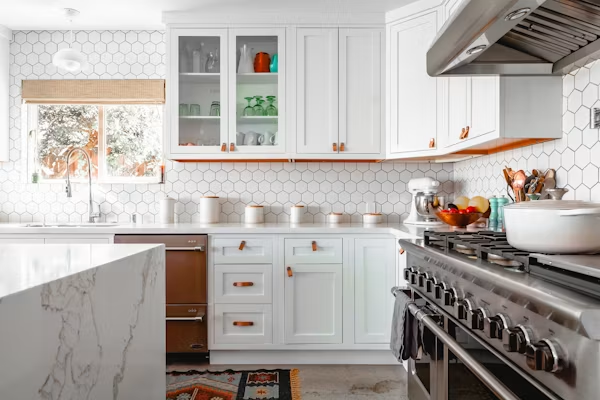
People often call the kitchen the heart of the home, and it’s one of the first rooms buyers check out. A full kitchen remodel can cost tens of thousands of dollars, but you can get a fresh, modern look for way less. Focus on cosmetic updates that really pop visually. If your cabinets are solid but look old, a fresh coat of paint can totally change the space. Pick a classic, neutral color like white, gray, or navy for wide appeal.
Once the cabinets are painted, swap out the old hardware. New knobs and pulls are like jewelry for your cabinets and are a cheap way to add a modern touch. Another easy change is the kitchen faucet. A sleek, new faucet can make an older sink look updated. For a weekend project, think about adding a peel-and-stick backsplash. Today’s options are stylish, tough, and easy to put up, giving you the look of tile without the cost or hassle. These are some of the key upgrades that increase home value without needing a huge budget, making your kitchen more enjoyable for you and more attractive to buyers.
Consulting a Real Estate Agent for ROI
Before you jump into any big home improvement project, it’s smart to think about what kind of return on investment (ROI) you’ll get. While you should definitely prioritize changes that make you enjoy your home more, you also don’t want to spend money on an upgrade that won’t add any value when it’s time to sell. This is where getting professional advice is helpful. A local real estate expert knows what’s happening in the market and what today’s buyers are willing to pay for.
They can help you steer clear of common mistakes, like spending too much for your neighborhood or picking finishes that are too personal and might not appeal to many buyers. For example, they might suggest that a small kitchen refresh will give you a better ROI than a pricey bathroom expansion. Their advice comes from real data from recent sales in your area, not just trends you see on TV. Talking to an agent early on helps you spend your budget wisely, focusing on projects that will give you both personal happiness and a financial benefit in the long run.
Ultimately, the best home improvements are the ones that make your house feel more like home to you, while also making it a smart investment for the future. By focusing on practical, safe, and efficient upgrades, you can achieve both.