For any business owner, keeping the books balanced is a constant challenge. When revenues go up and down, the pressure to cut costs gets even stronger. Energy use is one of the biggest areas where businesses can save money, but it’s often overlooked. Focusing on energy efficiency isn’t just about being green anymore; it’s a key business move that directly affects how much money you make, how well your operations handle tough times, and what people think of your brand, as entrepreneurs look to improve business output.
Rising Operational Costs
Energy prices are always changing, and they can really mess with a company’s budget. If electricity or natural gas costs suddenly jump, it can drain your money and cut into your profits. For businesses that use a lot of powered equipment, lights, and air conditioning, these rising costs can seriously threaten their survival. If you ignore how much energy you’re using, you’re leaving your business open to market changes you can’t control. Smart owners are now seeing energy not as a fixed cost, but as something they can actively manage and reduce.
The Impact of Inefficient Systems
Old equipment is a big reason why businesses use too much energy. Old heating and cooling systems, bad insulation, and inefficient lights all waste energy and lead to huge utility bills. In places like hotels and restaurants, old equipment can be especially damaging. For example, older units for commercial refrigeration can use a lot more power than newer, energy-efficient models. They run constantly to keep things cool, quietly draining your money. These old systems don’t just cost more; they can also break down more often, leading to expensive repairs and even lost inventory, which just adds to the financial hit.
Smart Energy Management
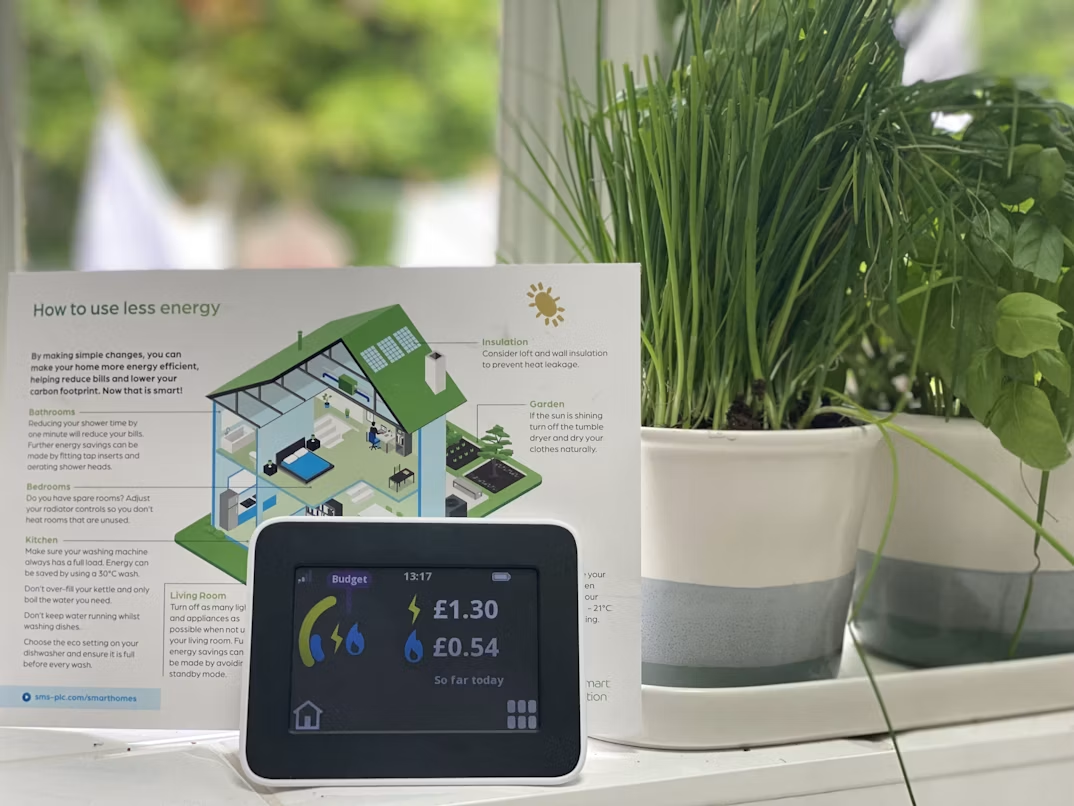
To fix inefficiency, you need a plan. Smart energy management means actively watching, controlling, and improving how much energy your whole building uses. You can start with simple, cheap things like doing an energy audit to find the biggest areas of waste. After that, you can make upgrades like putting in smart thermostats, switching to LED lights, or adding sensors that turn off lights automatically in empty rooms. For a more complete approach, making energy efficiency a priority in facility management turns it into a regular part of how you operate, not just a one-time project. This leads to ongoing improvements and savings.
Long-Term Financial Benefits
Putting money into energy-efficient upgrades often pays off surprisingly fast. The quickest benefit is a clear drop in your monthly utility bills, which frees up cash for other important business needs. But the advantages go beyond just saving money directly. Energy-efficient buildings often sell for more and are more appealing to renters or buyers. Plus, showing that you care about sustainability can boost your brand’s image, attracting customers and employees who also care about the environment. These upgrades aren’t just expenses; they’re investments that create long-term cost-saving opportunities and make your business stronger.
Government Incentives for Efficiency
Many government groups and utility companies actually encourage businesses to be more energy-efficient. They offer all sorts of incentives that can significantly lower the upfront cost of upgrades, making the decision even easier. These programs might include tax breaks, grants, or rebates for buying and installing energy-saving equipment. Some utility companies even offer free energy checks or special financing rates for efficiency projects. Before you start any big upgrades, it’s always a good idea to look into what incentives are available in your area to get the most out of your investment.
Taking charge of your company’s energy use is one of the best ways to cut operating costs and improve your financial situation. Finding inefficiencies and making smart investments helps you turn a big expense into something that gives you an edge over competitors.