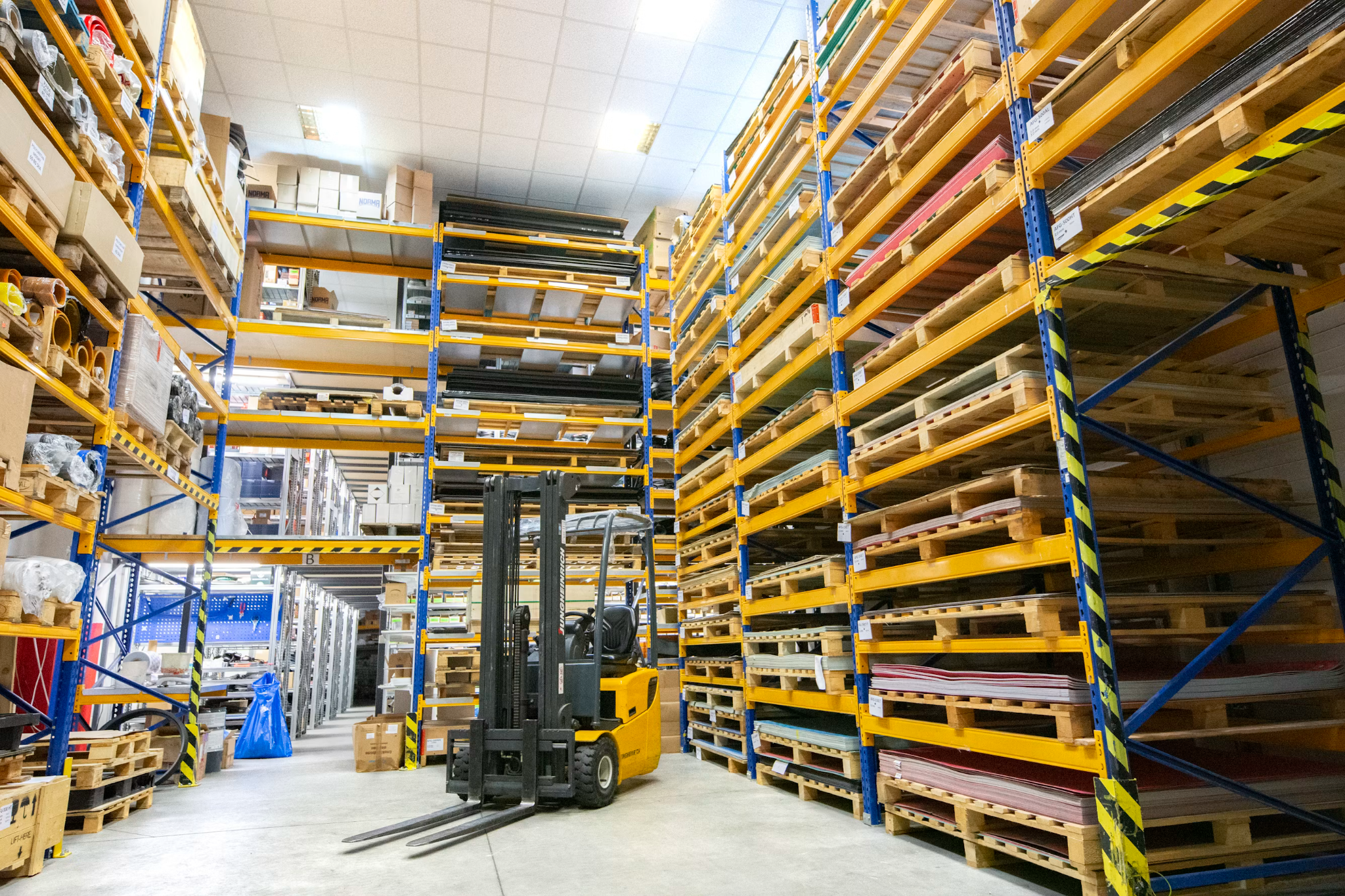
In any competitive business environment, operational efficiency drives profitability and growth. Small delays, wasted materials, or repetitive tasks might seem minor, but they can add up, draining resources and morale. Streamlining your operations isn’t about working harder; it’s about working smarter, and that often means having the right equipment and processes in place.
The Efficiency Imperative for Businesses
Efficiency isn’t just a corporate buzzword; it directly affects your bottom line. When things run smoothly, costs drop. You use less labour for the same output, waste fewer materials, and avoid expensive downtime from broken equipment. This financial benefit is often the main reason businesses focus on improving operations.
But the benefits go beyond just money. An efficient workplace is usually a happier and safer one. Employees get frustrated and disengaged when they have to deal with clunky software, messy workflows, or inadequate tools. Giving them what they need to do their jobs well boosts morale and productivity. Plus, being more efficient often means a better customer experience, with faster delivery and higher-quality products. This is a key way to improve operational efficiency for long-term success.
Identifying Bottlenecks in Operations
You can’t fix a problem until you know what it is. Bottlenecks are spots in your workflow where everything slows down, causing delays further along. These choke points can be hard to see from a manager’s office, so you often need to get hands-on.
A good first step is to walk through the entire process. Follow a product or service from the initial order to final delivery and notice where things get stuck. Talk to your front-line staff; they’re the best source of information about daily frustrations and inefficiencies. They’ll know exactly which machine always jams or which step needs unnecessary manual work. You might find a lot of time is lost simply because a workspace is messy or essential supplies are stored too far away.
Investing in Quality Industrial Supplies
One common but often overlooked bottleneck comes from using subpar supplies. It’s tempting to buy the cheapest option, but this often costs more in the long run. Low-quality materials can lead to defective products, rework, and breakages that stop production. Access to dependable tools, workshop supplies, and industrial consumables helps keep projects moving efficiently while reducing costly interruptions.
Think about a cheap saw blade that dulls quickly versus a high-quality one that stays sharp. The initial savings quickly disappear with the time spent changing blades, the cost of replacements, and the poor quality of the cuts. The same idea applies to all industrial supplies, from abrasives and adhesives to safety gear. Investing in quality means investing in uptime, consistency, and worker safety. This approach is a core part of how to optimise supply chain efficiency by making sure you have reliable inputs for your processes.
Measuring ROI on Equipment Upgrades
To justify the cost of new equipment or better supplies, you need to understand its return on investment (ROI). Before you buy, figure out what key metrics you expect to improve. This turns a subjective decision into one based on data.
Calculate how much time you could save per task or per day. For example, if a new packaging machine can process 50 more units per hour and your labour costs $30 per hour, it’s easy to see the value of that increased output. Track reductions in material waste; if a more precise cutting tool cuts down on offcut waste by 10%, that’s a direct saving. Also, consider “soft” returns like better employee morale or fewer safety incidents. These have real financial impacts through lower staff turnover and insurance premiums. Tracking these metrics before and after an upgrade helps you clearly show the value of your investment.
Ultimately, boosting efficiency is an ongoing process of observing, investing, and measuring. By focusing on removing friction from your daily operations, you build a more resilient, profitable, and productive business.