Getting a project timeline right means carefully lining up people, materials, and schedules. But one of the biggest things that affects how smoothly things run is the equipment you use on site. If you make smart choices about machinery from the start, you can avoid expensive delays, make the site safer, and keep your project on budget and on track. To really dig into making the best equipment choices, check out these key equipment considerations for city construction jobs. Every decision you make here helps the whole project succeed.
Understanding Project Scope
Before you order any equipment, you need to really understand the project’s scope. This first planning stage guides every decision you make afterwards. You’ll need to figure out the specific tasks for each part of the project, from clearing the site and digging to moving materials and finishing up. Think about how big the job is; a small backyard landscaping project needs totally different things than a huge commercial building.
Here are some key questions to ask:
- What’s the ground like?
- Are there tight spots or limited access on the site?
- How much material needs to be moved or lifted?
- How long will the whole project take?
A detailed scope helps you make an accurate equipment list. This stops you from making the common mistake of ordering machinery that’s either too small for the job or too big for the site.
The Role of Heavy Machinery
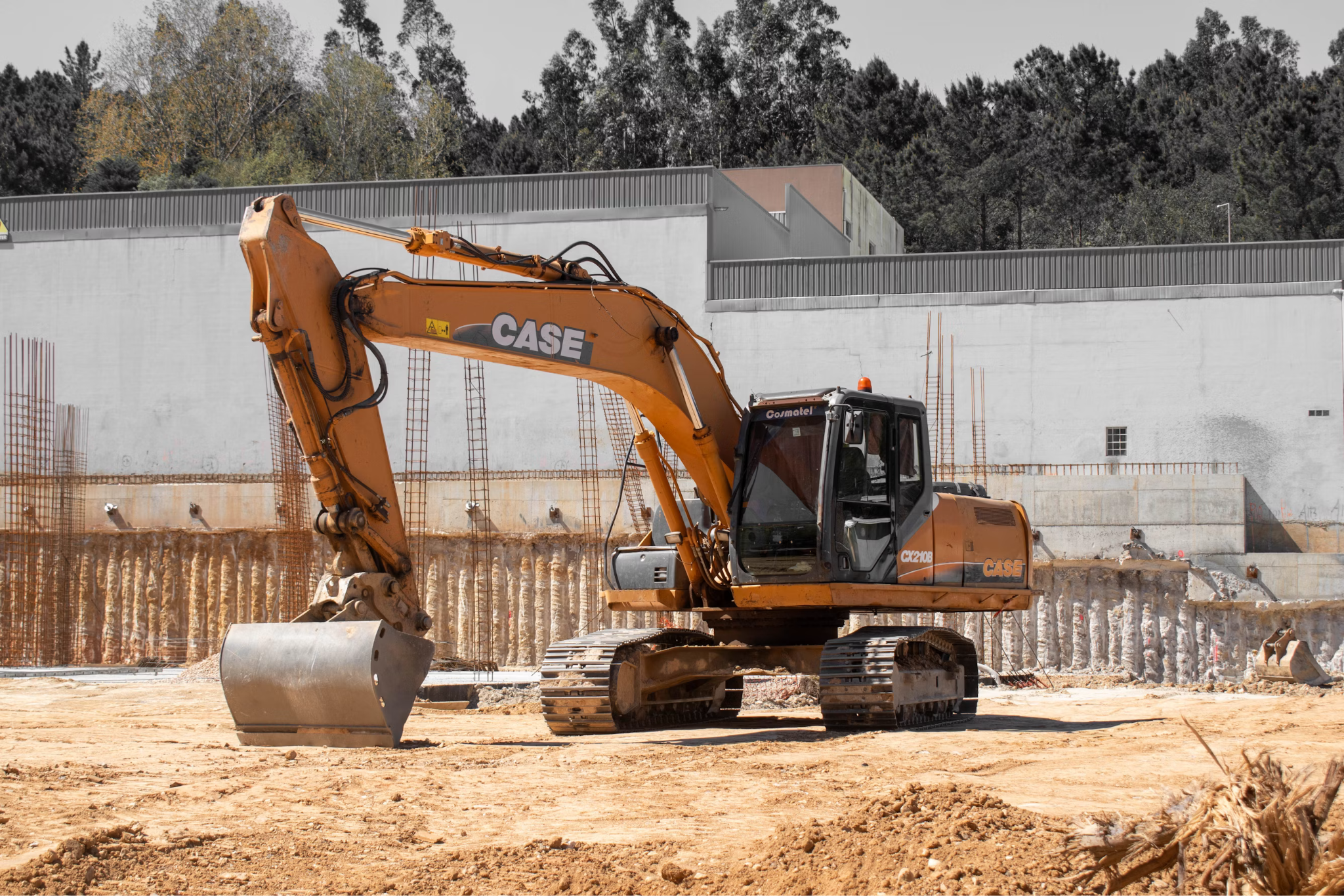
For most construction and civil projects, heavy machinery does the actual heavy lifting. The right equipment not only speeds things up but also makes sure the work is done correctly and safely. Tasks like digging foundations, trenching for pipes, or clearing big areas of land are almost impossible to finish on time without special machines. For foundation work, getting the right excavator hire ensures everything is dug to the correct depth and specifications without delays.
It’s crucial to match the machine to the task. Using a mini-excavator in a tight backyard for plumbing trenches makes sense, but a large commercial site needs a more powerful machine for moving a lot of earth. If you have the wrong size or type of equipment, you could end up redoing work or wasting a lot of time.
Hiring vs. Buying Equipment
Once you know what you need, the next big decision is whether to rent or buy the equipment. This choice has major financial and operational impacts. There’s no single right answer; the best approach depends on your business and the kind of projects you do.
Buying equipment is a big investment. It makes sense for machines you use all the time across many projects, because it means you always have access and control. But owning also means you’re responsible for storage, transport, insurance, and ongoing maintenance.
Renting is often more flexible and cheaper, especially for specialised equipment or short projects. It avoids the high upfront cost and shifts the burden of maintenance and compliance to the rental company. This way, you get access to modern, well-maintained equipment that’s suited to the specific requirements of each project.
Evaluating Supplier Reliability
If you decide to rent, your project’s timeline is directly tied to how reliable your equipment supplier is. A cheap daily rate doesn’t mean much if the machine arrives late, is in bad shape, or breaks down often. A dependable supplier is like a partner in your project’s success.
When you’re looking at suppliers, don’t just focus on the price. Check their reputation in the industry. Ask about how old their machines are, what condition they’re in, and what their maintenance process is like. A good provider will have a clear plan for breakdowns, including quick on-site repairs or replacement machines to keep your downtime to a minimum. This is a key part of learning how to choose the right heavy equipment and supplier.
Maintenance and Downtime
Equipment breaking down is one of the most disruptive and expensive problems on a project site. Just one machine failure can cause a chain reaction, stopping multiple stages of work and leaving crews with nothing to do. The cost of this downtime quickly outweighs any savings you got from a cheap rental rate.
If you own equipment, a strict preventative maintenance schedule is a must. Regular servicing, inspections, and quick repairs are vital to stop unexpected failures. If you rent, this responsibility falls to the supplier. A professional rental company invests a lot in keeping its machines in top shape to make sure every piece of equipment is safe, compliant, and ready to work. This gives you more confidence that your project won’t get sidetracked by a mechanical issue.
Ultimately, making equipment strategy part of your initial project planning isn’t just paperwork. It’s a fundamental step to make sure your project succeeds. By carefully thinking about what you need and choosing your equipment and suppliers wisely, you set your project up for an efficient, on-time finish.