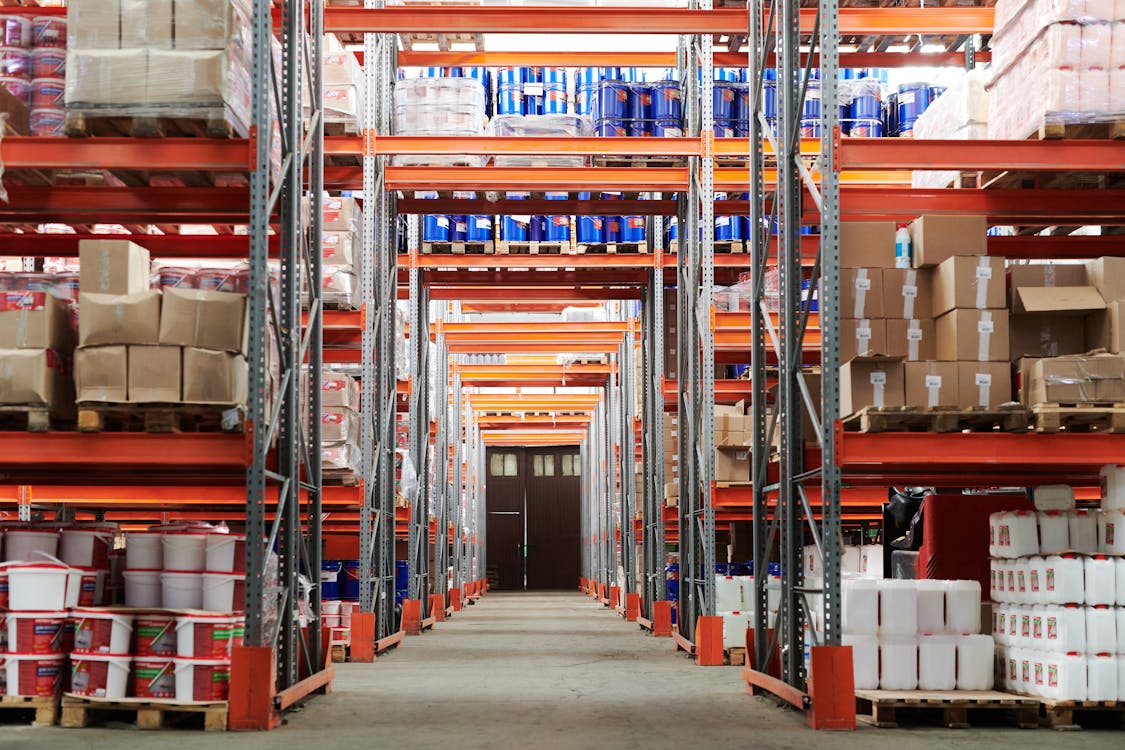
Many businesses believe that a complete distribution and fulfilment strategy is simple enough to only focus on speed, labour, and shipping cost. That is a very limiting view. Your business will grow into operational strain long before you notice it in financial reports. Everything will seem normal – orders go out, customers receive them, and managers happily believe the system is holding up. In reality, small bottlenecks create a snowball effect, which means cutoffs, inventory errors, preventable overtime, and weak forecasting. The best investments in business are usually not obvious, but they are the ones that make your whole operation strong and reliable.
This matters for many companies in various stages of growth. A regional wholesaler, a fast-growing e-commerce brand, and a mature distributor can all face the same pattern. As the volume of orders rises, so will the complexity of it, and so the operation starts depending on workarounds. Smart investment at that point is not about chasing scale. It is about removing friction from the systems that will limit your growth.
Slotting Analysis Before More Space
When it starts feeling like the warehouse is bursting at the seams, the business’s first instinct is to expand space. That can be an expensive operation, especially if it is done prematurely without weighing all your options carefully. Fast-selling items may be too far from packing stations. Slow-moving items may be taking up the best spots. Large products may be sitting in areas better used for items picked every day. This creates longer walking time and slower picking.
A proper slotting review can increase pick efficiency without adding square footage. It can also reduce congestion during peak periods. Businesses that treat layout as fixed usually miss the gains available from revisiting product placement with actual order data. Space is costly, but bad placement is even more expensive.
Improving the Receiving Process
Receiving is usually an afterthought, but it affects all the processes to follow. If your incoming goods are not counted correctly, labelling is done poorly, and it is stored in the wrong area, problems across the warehouse are heading your way.
Instantly, your inventory numbers become less reliable. Putaway is prolonged. Time is wasted when pickers can’t find stock, and managers are tied up in dealing with exception handling and making corrections.
When you invest in receiving goods, scheduling of deliveries will improve, staging areas will be clear and scanning and labelling production will become less labour-intensive. Expanding premises will not help improve matters if you are not doing everything to fix your processes first. A great receiving system should lay the groundwork for a system that runs without mistakes.
Choosing the Right Equipment
It’s common for companies to buy new equipment before the need arises. Either due to a piece breaking down, an increase in product volume, or because management has a feeling that “we will be needing this soon.” While these reasons are reasonable, they don’t always result in the best decision.
The better approach is to match equipment to daily work. That includes aisle size, load weight, travel distance, and charging needs. Even one well-chosen forklift can make a real difference if it fits the job properly.
Many businesses focus too much on top capacity and not enough on daily use. They may ignore maintenance needs, ease of operation, or battery downtime. Over time, those details matter. The right equipment helps work move smoothly. The wrong equipment becomes another problem to manage.
Fixing Process Rules Before Adding More Software
Software is meant to smooth operations, but alone it cannot solve weak processes. Businesses find themselves investing in new automated systems, but don’t improve their labour processes, and then scratch their heads when no improvement is visible.
A better step is to review the process first. How is stock replenished? Which orders get priority? What happens when the inventory does not match the system? Who handles exceptions? These rules need to be clear before software can really help.
Software adds a lot of value, but your processes first need to be optimised.

Via Pexels
Making Packaging Part of Operations
Many businesses consider packaging to be just another supply expense. However, the way you package your products is also an operational concern. The box size, type of packing materials, how labels are placed and where items are positioned will all impact speed, efficiency, and accuracy.
Having too many different-sized cartons makes training more difficult. Having a poor design for your packaging area causes employees to spend more time completing each shipment. Using large boxes for small products results in higher shipping costs due to increased weight.
A good packaging system will help support the workflow within your organisation by allowing employees to quickly and efficiently pack shipments, while reducing errors in the process. It can also result in reduced packaging waste and reduced shipping costs.
Training People to Work Across Roles
At first glance, cross-training employees seems like an easy way to create a flexible team. However, many businesses struggle with implementing effective cross-training programs. One of the primary reasons that businesses fail at cross-training their employees is that most do not develop clear job descriptions for all staff members. During peak times when employees may need to switch tasks frequently, no single employee has full responsibility over those specific jobs. This lack of accountability creates confusion among both employees and customers and increases the likelihood of errors being made.
To overcome these challenges, employers must provide employees with structured cross-training programs. These programs teach employees how and when to assist other departments, what quality standards each department uses, and who retains ultimate responsibility for each job. Providing employees with this information allows them to feel confident assisting other areas, which will ultimately help create a much more stable workplace environment.
Treating Maintenance as Essential
Maintenance is typically put off until something breaks. This may be a good way to save some money right now; however, this method will ultimately cost you more in time and repairs on complete failure.
When a conveyor goes out of order, a dock door fails, or a scanner continues to cause delays with your shipments, the entire operation could come to a standstill.
The preventive maintenance process helps ensure that output will continue as planned. Preventive maintenance gives managers reassurance and confidence in the way they manage the company.
This rule doesn’t just apply to larger machinery. Other items like racking, printers and batteries require regular attention. Businesses that fail to perform regular maintenance may feel as though they are saving money by delaying routine service; however, they are most likely just creating unnecessary risk.
Many of the best investment opportunities for improving distribution & fulfilment are simply the small, incremental improvements to how people do their jobs every day. Better systems and processes will contribute directly to increased volumes of orders.
Those incremental gains tend to compound when the pieces are coordinated rather than optimised in isolation, which is why many operations move toward end-to-end supply chain solutions that link procurement, warehousing and delivery under one process instead of stitching together disconnected tools. The practical benefit is fewer handoff errors between stages, an order that flows from receiving to picking to dispatch without manual re-entry removes a common source of delay that quietly caps how many orders a team can process in a day.
They might seem unremarkable as individual investments, however collectively they provide improvements in both quality, quantity, and overall control over the process. When volume increases, these improvements become increasingly important. Growth potential can be found by identifying and fixing those parts of an organisation’s operations that quietly hinder its ability to grow.