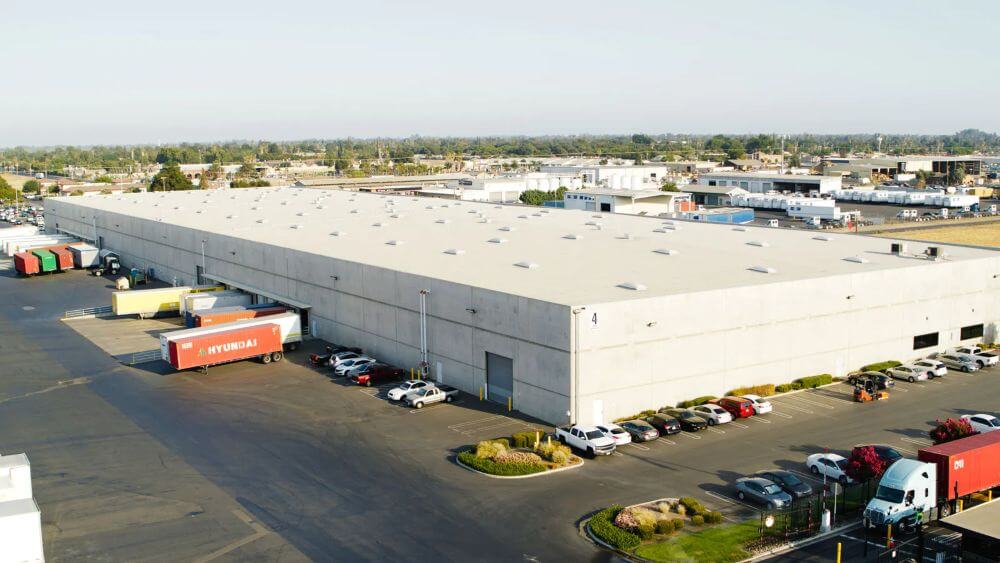
There’s a point in many growing businesses lives where the thing that got them here is no longer the thing that’s going to get them there. In many product-based businesses, this happens sooner than expected. At the start, running your own warehousing makes sense; you know every SKU, every shelf, every shipping label. But as you expand and orders increase alongside SKUs, it’s no longer a feeling of control; it’s a ceiling.
That ceiling, however, is being reached by more businesses, and it’s being reached faster than expected. And more businesses are reacting the same way: by handing off their warehousing to a third-party provider (3PL). It’s not a trend of being lazy; it’s a mathematical equation of space and the realities of doing too much without the means to do it.
The Practical Realities of Scaling Storage
One major thing to note about warehousing is that it doesn’t operate on gradual scales. It’s either good enough one month and not the next or it isn’t working out for several months and the business comes to a standstill with no solutions in sight. Businesses might scramble last minute for extra space to rent down the road, try to stuff some product somewhere they shouldn’t, or risk fulfilment time going out the window because overwhelmed workers take their time processing orders.
This is especially true for businesses researching third-party fulfilment options, a 3pl melbourne inquiry, for example, could be their first step in exiting their product-based boom. Many businesses across all major cities want solutions like 3PLs because they have the infrastructure already laid out, meaning businesses don’t have to build it themselves when the clock is ticking.
Cost of space, racking, packing materials, dispatch software and even wages and staffing ramp up faster than any budget can account for, and this is before factoring in time to learn and manage everything. For those businesses wanting to grow, not give up time to spend managing warehousing, all that extra time and resources could be funneled into better things.
What Businesses Actually Get
The most obvious thing a business gets from handing off fulfilment is physical space, but what those surprised most get back is mental and operational space too.
All of a sudden, a founder or operations leader isn’t spending half the day trying to figure out how a packing error occurred or how to get into touch with a supplier for late shipment. That energy goes back towards proper product development, marketing and pitches, the actual avenues that make a business thrive.
Second, there’s flexibility. A 3PL allows a business to expand during busy times and retract when things slow down without being locked into fixed costs; it’s nearly impossible to do that on your own. If you rent excess space you’re paying for too much and if you use too little space, you’ll wind up backlogged with inventory sooner than you can say “waiting list.” It’s a no-win situation when it’s in-house.
Customer Service
This often gets lost in operational discussions but it’s critical from a psychological standpoint for your customer service satisfaction. Accurate orders, fast dispatch times and quality packing makes all the difference when someone wants to jump on your brand’s bandwagon, and one late order can diminish all that marketing work.
Professional 3PL operators have systems, processes and people directly dedicated to making sure an order goes out right, every time, all the time. That satisfaction is hard to replicate when fulfilment isn’t even a core function of your business, instead, a byproduct of selling products.
Faster dispatch time means better ratings. Better packing means better unboxing impressions. When something goes wrong, and something always will, having a team dedicated to figuring it out makes much more sense than a small team scrambling to figure it out with extra responsibilities piling on top of everything else.
It’s Not for Larger Businesses Only
The biggest misconception about handing off warehousing is that it’s something larger companies do. In fact, it works well across various levels, and especially those still in growing phases that haven’t hit enterprise levels yet.
It’s not about size; it’s about ceilings and whether the existing infrastructure is holding your business back. If you manage fulfilment in-house but it’s taking too much time or creating too many mishaps or you’re turning down orders because you’re overwhelmed with existing ones, then you’ve outgrown your options. It doesn’t matter whether you’re sending out 200 orders a month or 2,000, your in-house option is not working for you anymore.
Maximizing Benefits
The best way to transition to a 3PL is to treat it as an honest-to-goodness partnership instead of just handing over cash for services rendered. Volume expectations should be communicated; any upcoming promotional or product needs should be conveyed; integration from selling with your online presence should be set up through the 3PL beforehand.
Those businesses that actually take the time to develop rapport get so much more from the connection, a 3PL can comment on better approaches or anticipate busy times or pinpoint issues before they become problematic. That proactive element is worth so much more than having space for products to be stored somewhere else.
The Bigger Picture
Ultimately, as it’s marketed, it’s about growth potential and understanding that when you do too much in-house you create ceilings. By having someone else do it for you there are no ceilings and the potential with additional resources makes so much more sense than keeping things in-house just because that’s how it’s always been done before.
The businesses thriving aren’t those with access to most resources; they’re those doing the best with their limited resources, and letting go of warehousing is one of the best things many companies have done for themselves since starting their journey.