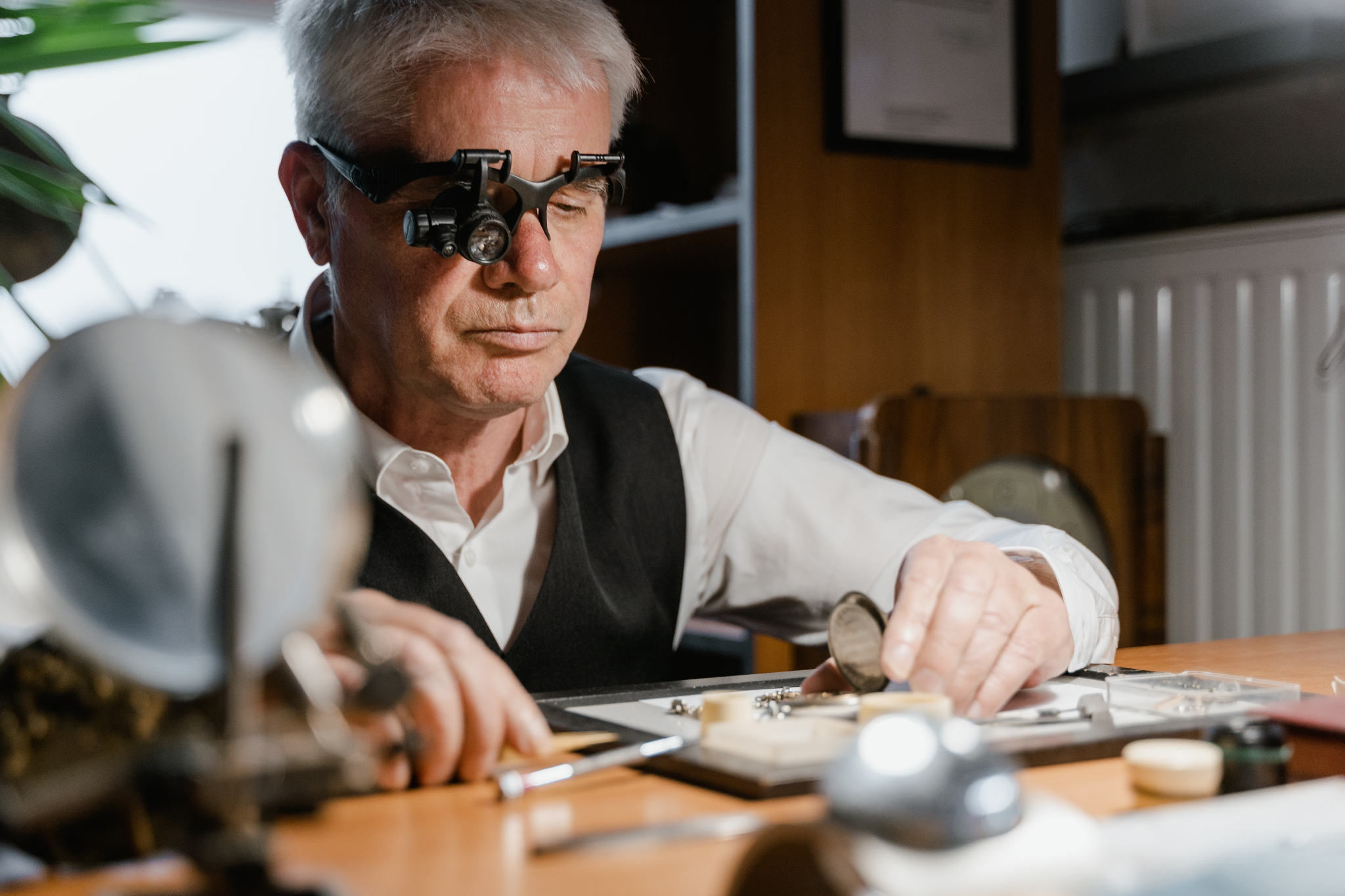
In any skilled profession, the final result directly reflects the tools and techniques used. For artisans, technicians, and specialists, choosing to invest in high-quality equipment isn’t a luxury; it’s a fundamental business strategy. While a basic, cheaper tool might seem appealing, experienced professionals know that real value comes from precision, reliability, and durability. This investment pays off through better work quality, a stronger reputation, and greater long-term profit. Picking the right tools shows a commitment to excellence that sets true masters apart from amateurs.
Beyond the Initial Price Tag
A tool’s price tag is only one part of its total cost. Focusing on saving money upfront often leads to higher expenses later on. This idea, called total cost of ownership, looks at more than just the purchase price. It includes maintenance, repair, replacement, and the hidden costs of things going wrong. An inexpensive tool might seem like a good deal, but if it breaks often, needs constant adjustments, or gives inaccurate results, its true cost quickly climbs.
Think of it like value investing. Just as smart investors look for quality stocks on sale, smart professionals seek tools that offer lasting value, not just a low initial price. A high-quality instrument is built to last, made with superior materials and engineering to handle daily use. It stays calibrated longer, needs less maintenance, and works reliably for years. This reliability means less downtime, fewer frustrations, and a more predictable workflow. When you buy a quality tool, you’re not just buying an object; you’re investing in consistency and reducing future financial and operational risks.
Accuracy Drives Business Reputation
For any business built on precision, reputation is everything. One mistake caused by a faulty or inaccurate tool can have terrible consequences, leading to financial loss, unhappy customers, and irreversible damage to your professional standing. In fields like jewelry appraisal, watchmaking, or engineering, tiny inaccuracies can mean the difference between a successful project and an expensive failure. Clients trust professionals because they expect consistent, reliable results, and accurate tools are an important part of achieving that standard.
The cost of poor data quality in the digital world has a clear physical parallel in craftsmanship: the cost of poor measurement. An incorrect gemstone grade or a bad watch repair can lead to significant financial problems. That’s why professionals in these fields need access to reliable suppliers of specialized equipment. For example, CR Time provides watchmakers and jewelers with tools, equipment, testing supplies, repair parts, and other specialized products used in professional servicing and maintenance. Having access to the right equipment makes it easier for specialists to carry out precise work while maintaining consistent standards. Using certified, precise instruments isn’t just about doing the job right; it’s a public statement of your commitment to quality and a key part of building a trustworthy brand that clients will return to and recommend.
Specialized Tools for Superior Results
While a general-purpose tool might handle various tasks well enough, it will rarely do any single task exceptionally. True mastery in any craft demands specialized tools designed for specific jobs. These instruments are engineered with a deep understanding of the task, offering a level of control, precision, and efficiency that generic tools simply can’t match. A woodworker, for instance, wouldn’t use a standard handsaw for fine dovetail joints; they’d use a specialized dovetail saw with fine teeth and a rigid spine for precise cuts.
Similarly, in fine mechanics and gemology, the difference is even more obvious. A simple magnifying glass is no substitute for a binocular microscope when examining the intricate movement of a luxury watch or identifying inclusions in a diamond. A standard ruler is useless when measurements need to be accurate to a hundredth of a millimeter; you need a digital caliper or micrometer. Using a specialized tool not only produces a better result but also often makes the work easier and faster. It allows the professional to work confidently, knowing the equipment is perfectly suited for the challenge. This investment in specific tools is what helps artisans and technicians push the boundaries of their craft and deliver work that stands out for its exceptional quality.
Reducing Errors, Increasing Profit
There’s a direct and clear link between the quality of your tools, how often you make mistakes, and your business’s profit. Every mistake made during a project costs money. This cost can show up as wasted materials, time spent on rework, or, in the worst case, a completely scrapped project. High-quality, properly maintained tools can help reduce the risk of costly errors. When a tool provides reliable and accurate measurements every time, it removes a major source of uncertainty from the workflow.
This idea is similar to how accurate retail data helps businesses make better decisions and improve profitability. In a workshop, accurate physical data from your tools does the same thing. For example, a CNC machinist who trusts their calipers and gauges can program cuts with tighter tolerances, reducing material waste and machining time. A jeweler who uses a precise digital scale for weighing precious metals avoids giving away product and ensures fair pricing for both the business and the customer. By minimizing errors, quality tools help streamline production, reduce overhead, and increase the profit margin on every job, which is crucial for successful dent repair businesses. This efficiency gain isn’t a one-time benefit; it builds up over time, leading to significant long-term financial advantages.
Long-Term Value of Durability
Beyond accuracy and specialization, the sheer durability of a well-made tool offers immense long-term value. Quality tools are typically constructed from superior materials like hardened steel, carbide, or high-grade alloys and are designed to withstand the demands of a professional environment. An inexpensive wrench may be more prone to wear or damage under demanding use, while a well-made alternative may provide greater durability and a longer service life. This durability means fewer replacements, which saves money and reduces the environmental impact of disposable equipment.
More importantly, a durable tool is a reliable one. A professional can’t afford to have a critical tool fail in the middle of a time-sensitive or delicate operation. Such a failure not only causes delays but can also damage the workpiece, creating even more problems. Investing in durable tools builds a foundation of reliability in your workshop. You can approach any task with confidence that your equipment will perform as expected. This confidence allows you to focus on your craft without worrying about your tools letting you down. Over years of service, a durable tool becomes more than just an instrument; it becomes a trusted partner in producing your best work.
Ultimately, seeing tools as a core investment rather than a simple expense is a crucial mindset for any professional dedicated to their craft. The returns aren’t just measured in dollars but in the quality of the work, the strength of your reputation, and the personal satisfaction of knowing you are equipped for excellence.
Leave a Reply