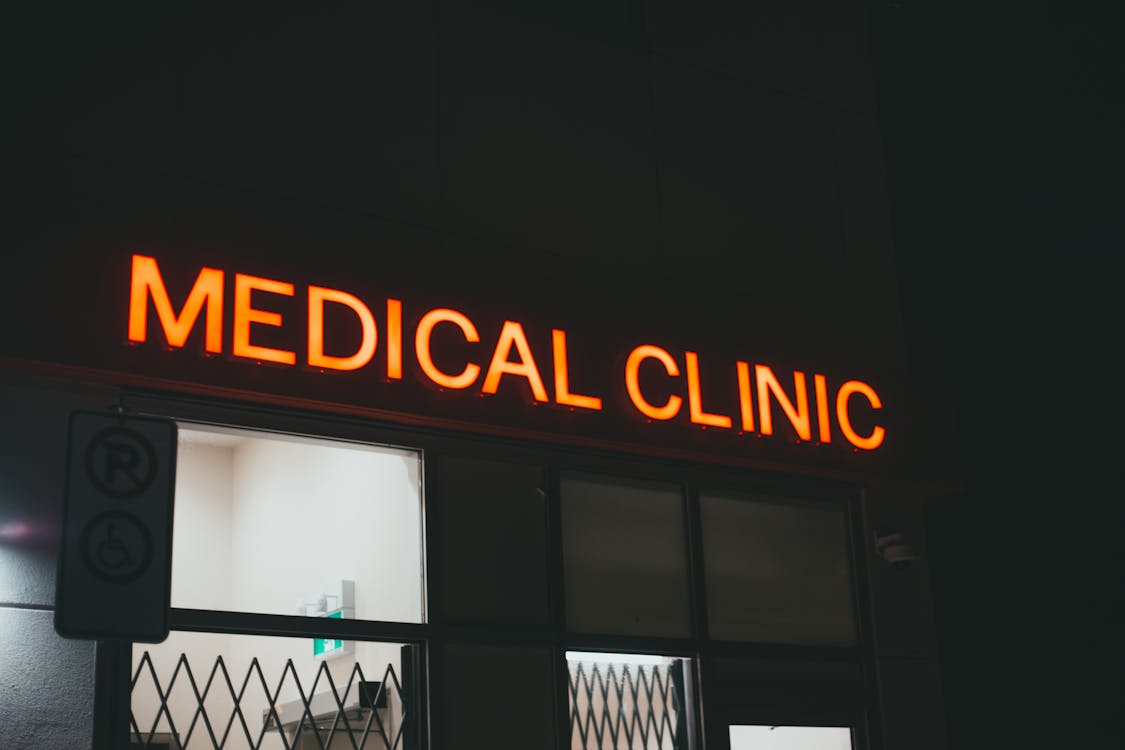
Small private clinics hit this point eventually, where the old setup starts feeling a little too tight. Well, it can honestly become challenging to run a profitable healthcare clinic when space gets a bit too tight. For example, maybe patient numbers are growing, maybe testing is taking longer than anyone wants, maybe staff are doing too many manual steps, or maybe the clinic owner is just tired of everything feeling one appointment away from falling behind. It’s great to grow, but sometimes space hinders growth.
But for a lot of clinics, investing in new lab equipment can sound like the obvious next move when growing and just trying to keep up with patient demand in general. Which, sure, makes sense because you have faster testing, fewer delays, more control, better workflow, all lovely in theory. Emphasis on the word “theory,” of course.
But medical equipment isn’t exactly the kind of thing to buy on a casual “that looks useful” feeling. It has to fit the clinic’s actual space, staff, budget, patient volume, and daily routine; it can turn into one more expensive thing everyone has to work around. For a large clinic with a lot of space, sure, it’s obvious, but when you’re pretty tight on space, well, it’s a harder decision.
Start with What the Clinic Actually Needs Most
While yes, it’s easy to get caught up in the idea of upgrading, especially when a piece of equipment promises faster results or smoother testing. But a small clinic needs to be honest about where the pressure is really coming from.
You, as the owner, need to be brutally upfront and honest here. So, there are just some things that really need to be asked here, like are patients waiting too long for certain results? Are outside lab delays slowing down follow-ups? Are staff spending too much time on repeat testing tasks? Are certain tests common enough to justify bringing more of that work in-house? That last question matters because buying equipment for tests that only happen once in a while can tie up money that may be more useful somewhere else.
How Can You Manage with a Lack of Space?
Well, private clinics, just smaller ones in general, do have a major issue when it comes to space. It’s fairly obvious here that counter space, storage, sample prep areas, electrical access, cleaning routines, and staff movement all matter. A piece of equipment might technically fit in the room, sure, but that doesn’t mean it fits into the workflow. If staff have to squeeze around it, move supplies constantly, or reorganize the whole area just to use it properly, that’s going to get old fast. Well, it’s just not going to work at all, honestly (and could be a fire hazard too, potentially).
Compact equipment can be helpful here, like AFIAS 6; it makes sense that not every clinic can actually have a cramped lab, but still needs some space for testing capacity, so this could work in the right setup. Lab footprints are demanding, and if you have more patients and offer more services but can’t afford more space, then this could be a solution.
What About Staff Training?
New equipment and staff training tend to go together, or at least they should. If training is confusing, rushed, or only given to one person, the clinic can end up with bottlenecks again and potential liability issues, too. So staff need to know how to run tests, handle samples, deal with errors, clean the equipment, document results, and understand when something doesn’t look right.