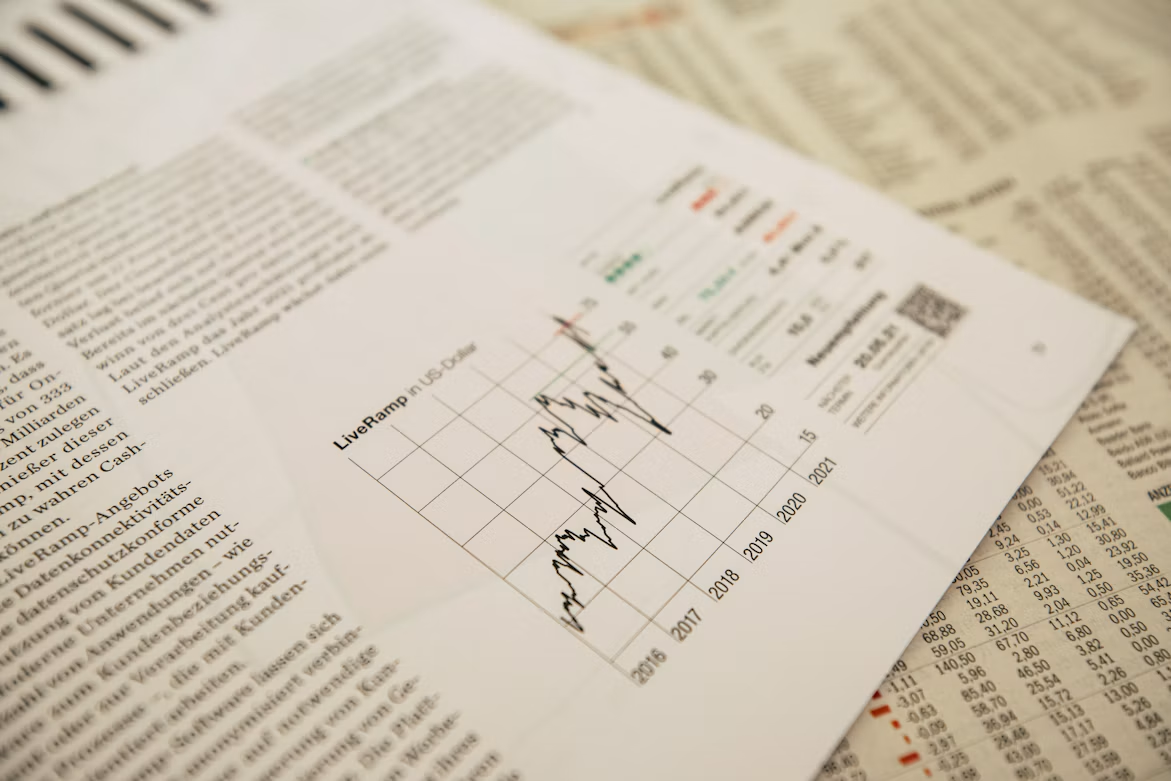
Financial news can help you understand how economic events, company results and policy changes may affect your money. The challenge is separating useful information from daily noise.
Headlines often emphasize sudden price moves, while sound financial decisions depend on context, reliable data and a clear view of your goals. A disciplined reading process lets you use the news without reacting to every prediction or market swing.
Why Financial News Matters
Financial news connects broad economic developments to everyday choices. A central bank’s interest rate decision can affect borrowing costs, savings yields and business activity. Inflation reports may explain changes in household expenses, while corporate earnings can reveal shifts in consumer demand.
Pay attention to news that has a direct connection to your finances. Someone planning to refinance debt should monitor interest rates and lending conditions. A long-term investor may focus more on company profits, cash flow and industry demand. This filter makes a crowded news cycle easier to manage and reduces the chance that an alarming headline will drive an impulsive decision.
Types of Financial Information
Financial information generally falls into several categories: economic data, company reports, market data, policy announcements and consumer education. Each serves a different purpose. Market prices show what buyers and sellers currently believe, while financial statements reveal a company’s revenue, expenses, assets and debt. The SEC’s financial statement guide explains how these documents fit together.
Educational material can be equally valuable when you’re considering credit or debt options. For example, Daniel Tilipman discusses why clear education should guide consumers facing financial difficulties. Before acting on any financial story, identify whether it presents verified data, analysis, opinion or practical guidance.
Spotting Quality Sources
Start with the original source whenever possible. Earnings figures should trace back to a company filing, while employment or inflation statistics should come from the agency that produced them. News outlets add useful interpretation, but primary documents let you confirm dates, definitions and numbers.
A useful overview of financial news sources can help you build a balanced reading list. Favor outlets that name their sources, distinguish reporting from commentary and correct errors publicly. Be cautious when an article promises a guaranteed result, relies on unnamed insiders or creates pressure to act immediately. Also check the publication date since an accurate article can become misleading when market conditions change.
Interpreting Market Signals
A market move tells you that expectations changed, but it doesn’t always explain why. Suppose a company reports a 10 percent increase in revenue and its share price falls. Investors may have expected 15 percent growth, or management may have issued a weaker forecast. The headline number alone provides an incomplete picture.
Compare new information with previous results, analyst expectations and longer-term trends. One month of inflation data deserves less weight than a pattern lasting several quarters. Look at several related indicators as well. Rising sales paired with shrinking profit margins tells a different story from rising sales and stable costs. Treat daily price movement as evidence to examine, not an automatic instruction to buy or sell.
Applying News to Your Strategy
Connect each relevant story to a written financial rule. You might review your investment allocation quarterly, reconsider variable-rate debt after a major rate change or update a company valuation after its earnings report. Defined rules create space between receiving information and acting on it.
Before changing course, ask three questions: Does this news alter my original assumptions? Is the effect likely to last? What costs or risks would the change create? Transaction fees, taxes and borrowing terms can erase the expected benefit of a quick response. The article on the hidden cost of one bad decision shows why indirect consequences also deserve attention.
Keep a short decision log with the source, your reasoning and the result you expect. When you review it later, you’ll see which signals improved your judgment and which headlines merely demanded attention.
Leave a Reply