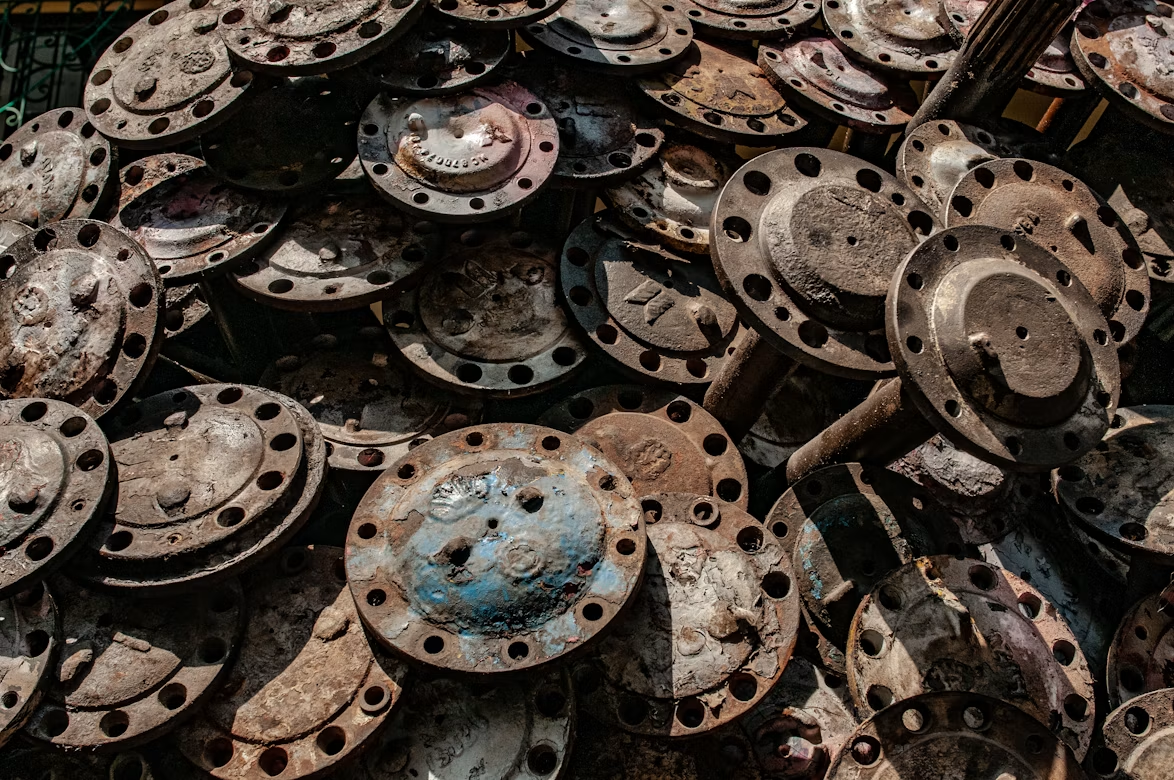
For many industrial businesses, scrap material is just an unavoidable part of production. It piles up in corners, fills dumpsters, and often costs money to get rid of. But what if that scrap wasn’t a problem? What if it was a hidden asset just waiting to make you money? Setting up a smart scrap management program helps you turn waste into a steady new income stream, all while boosting your company’s green credentials.
Identify Your Scrap Material Assets
To start making money from your scrap, you first need to know exactly what you have. A good look at your waste stream will show you the types and amounts of materials you’re generating. Many businesses are surprised by how much value they’ve been throwing away.
Begin by checking your production lines and disposal bins. Here are some common valuable materials:
- Ferrous Metals: Steel and iron from manufacturing, cut-offs, or old machines.
- Non-Ferrous Metals: Aluminum, copper, brass, and stainless steel, which usually sell for more.
- Plastics: Specific kinds like HDPE and PET can be worth something if kept clean.
- Cardboard and Paper: Large amounts of clean cardboard are always recyclable.
Sort and estimate how much of each material you produce weekly or monthly. This inventory is the foundation for your scrap revenue program.
Understanding Material Value Trends
Scrap material prices aren’t fixed. They go up and down based on global supply and demand, just like other commodities. For example, the scrap metal recycling industry is directly affected by how much is being manufactured and mined. However, while you can’t control the market, you can understand it.
Keep an eye on general price trends for your main materials. Non-ferrous metals like copper and aluminum are generally worth more than ferrous metals like steel. Knowing this helps you decide what to focus on collecting. Even if prices are low for a bit, consistently using a recycling center builds a good habit and makes sure you’re ready to profit when the market improves. The goal is to keep the material flowing steadily, not to try and perfectly time the market.
Partnering with a Recycling Center
Once you’ve figured out your scrap assets, the next step is to find a partner to handle them. Trying to move and sell materials yourself can be tricky and inefficient. On the flip side, these partners have the logistics know-how, equipment, and industry connections to make sure you get a fair price for your materials.
When you’re looking for a partner, find one that offers a full range of services. A good facility will help you analyze your waste, suggest the right collection bins, and set up a convenient pickup schedule. They’ll be clear about pricing and can handle many different materials, making them a one-stop shop for your recycling needs. This partnership turns a logistical headache into a simple, profitable operation.
Setting Up an Efficient Collection System
With a recycling partner in place, you can focus on your internal collection process. An efficient system is key to getting the most value from your scrap. Contamination is the enemy of good recycling; mixed materials are worth less and harder to process.
Set up a clear sorting system right where the scrap is made. Use labeled, color-coded bins in work areas. Train your team on what goes where, stressing how important it is to keep different materials separate. For instance, have one bin just for clean aluminum cut-offs and another for general steel scrap. A well-organized collection area makes pickups faster and ensures your materials are valued as highly as possible.
Measuring Your Environmental Impact
Turning scrap into revenue is a big business plus, but the positive environmental effects are just as important. Recycling industrial materials has a huge impact on sustainability. It saves natural resources, cuts down on the energy needed for manufacturing, and keeps tons of waste out of landfills.
Many recycling partners can give you data on the environmental benefits of your efforts. These reports can show your impact, with numbers like landfill space saved, carbon dioxide emissions avoided, and energy conserved. This data is valuable for corporate sustainability reports and can boost your brand’s reputation with customers and the community. Tracking these metrics helps you show your commitment to sustainability and proves that making money and being environmentally responsible can go hand-in-hand.
Ultimately, starting a scrap recycling program is a smart business decision that really pays off. It changes a waste stream into a revenue stream, makes your operations smoother, and strengthens your commitment to a more sustainable future.