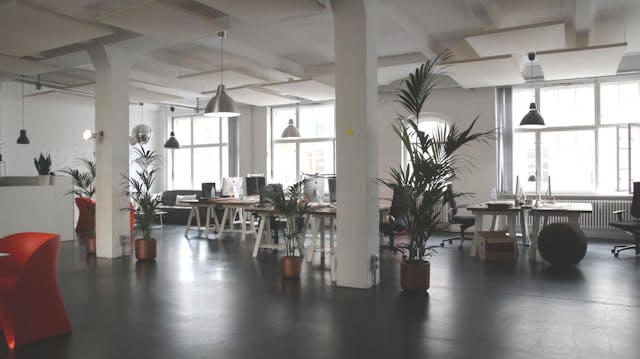
Most of us have worked in offices where papers pile up, bins overflow, and the kitchen fridge feels like you just never want to open the door because it’s just so nasty. And at first glance it just seems like clutter, but a messy office isn’t only about appearances – it eats into productivity, morale, and even health in ways that are easy to underestimate, and the strange thing is, businesses often spend huge amounts of money on strategy, recruitment, or new tech, but they overlook the basics, like giving staff a clean, functional space to actually do the work. With that in mind, keep reading to find out more.
Productivity Slows Down
A cluttered environment slows people down, and that makes sense because if every document hunt means rifling through piles of paper, or if staff waste time trying to find supplies, energy gets drained, and it’s massively frustrating at the same time. Plus, it’s not just about minutes lost here and there, it’s about focus. The brain processes clutter as unfinished tasks, which makes concentration harder, so even when you don’t realise it, the background mess is taking your attention away from the job at hand.
It’s true that you and your team might manage to do the work, but it takes longer, it’s frustrating, and eventually it drains your energy, and over the course of a month, the time lost can really hurt your business and people’s morale.
Morale Is Damaged
People like working in spaces that feel cared for, and when an office is messy, dusty, or neglected, staff get the message, consciously or not, that their wellbeing isn’t a priority. That can be a real problem when it comes to motivation. On the other side, walking into a clean office in the morning has an uplifting effect because it tells employees they’re valued, which in turn makes them more likely to value their work and work hard.
There’s also a social side to this – employees are less inclined to invite clients, collaborators, or even friends into an office that looks uncared for, and over time, that embarrassment breeds frustration, as well as looking bad from the outside, which could actually lose you business.
Health And Safety Risks
A messy office isn’t just irritating, it can be unhealthy – dust, mould, and poor hygiene in communal spaces contribute to allergies, sickness, and absenteeism. For example, spilled coffee not cleaned up quickly can become a slipping hazard, and cables left tangled under desks increase trip risks, and that’s just the start. The fact is that it doesn’t take much for a bit of clutter to cross the line into genuine health and safety concerns, and businesses are often shocked at how many sick days are indirectly tied to the environment staff work in.
And health isn’t only physical – a cluttered space can increase stress levels, raise feelings of being overwhelmed, and even contribute to burnout.
The Image You Present
Something else to think about is that clients and partners notice office space, and if they arrive to piles of papers, dirty windows, or a kitchen stacked with unwashed mugs, it reflects badly on you because the impression is one of disorganisation, even if the actual work is really good. A clean and orderly office, on the other hand, creates a sense of professionalism and trustworthiness before a word has been said, and in competitive industries, those first impressions matter more than we like to admit.
An organised space also says something about how the business is run because if you can manage your physical environment with care, clients are more likely to believe you can manage projects, accounts, or deadlines with the same attention.
Why It Often Gets Ignored
So why do messy offices persist? Sometimes it’s cost – cleaning is seen as non-essential. Sometimes it’s because no one is officially responsible, so the mess slowly builds until it feels normal. There’s also the assumption that staff will simply tidy up after themselves, which isn’t realistic when workloads are high. Whatever it is, without a clear system, what gets overlooked is the fact that disorganisation carries hidden costs in lost productivity, poor health, and reduced morale.
The truth is, businesses often underestimate just how much environment influences behaviour, and staff won’t necessarily speak up about messy or unhygienic spaces – many simply adapt or put up with it. But the impact is still there, ruining performance and satisfaction.
Professional Helps Makes The Difference
This is where commercial cleaning services step in, and rather than relying on ad-hoc tidying, professional cleaners keep offices consistently hygienic and organised. They don’t just vacuum floors and empty bins – they tackle dust in hard-to-reach areas, sanitise kitchens and bathrooms, and maintain the small details that staff often miss, and in the end, when cleaning is part of a structured plan, it becomes preventative. And as a bonus, staff spend their energy on work, not on clearing up after others.
The Long-Term Payoff
Once a system is in place, the benefits just keep getting better. For one thing, productivity improves because staff aren’t distracted by clutter, plus morale goes up because people feel respected. And health improves because allergens and hazards are under control. And the business itself projects a more professional image, which can directly influence client trust and retention.
Over time, the return on that investment outweighs the expense because there’ll be fewer sick days, faster work, and improved client relationships all add up. And perhaps just as importantly, people enjoy working in a space that feels clean, safe, and valued. So basically, a workplace that feels good to walk into every day is a workplace where people want to stay.
Final Thoughts
A messy office might not seem like a big deal day to day, but over time it hurts productivity, wellbeing, and reputation. The hidden costs in staff morale, lost hours, and poor first impressions add up faster than most companies realise. But when fixes are in place, the office transforms from a draining, cluttered environment into one that energises and supports the people inside it, which isn’t just good for staff, it’s good for business too.