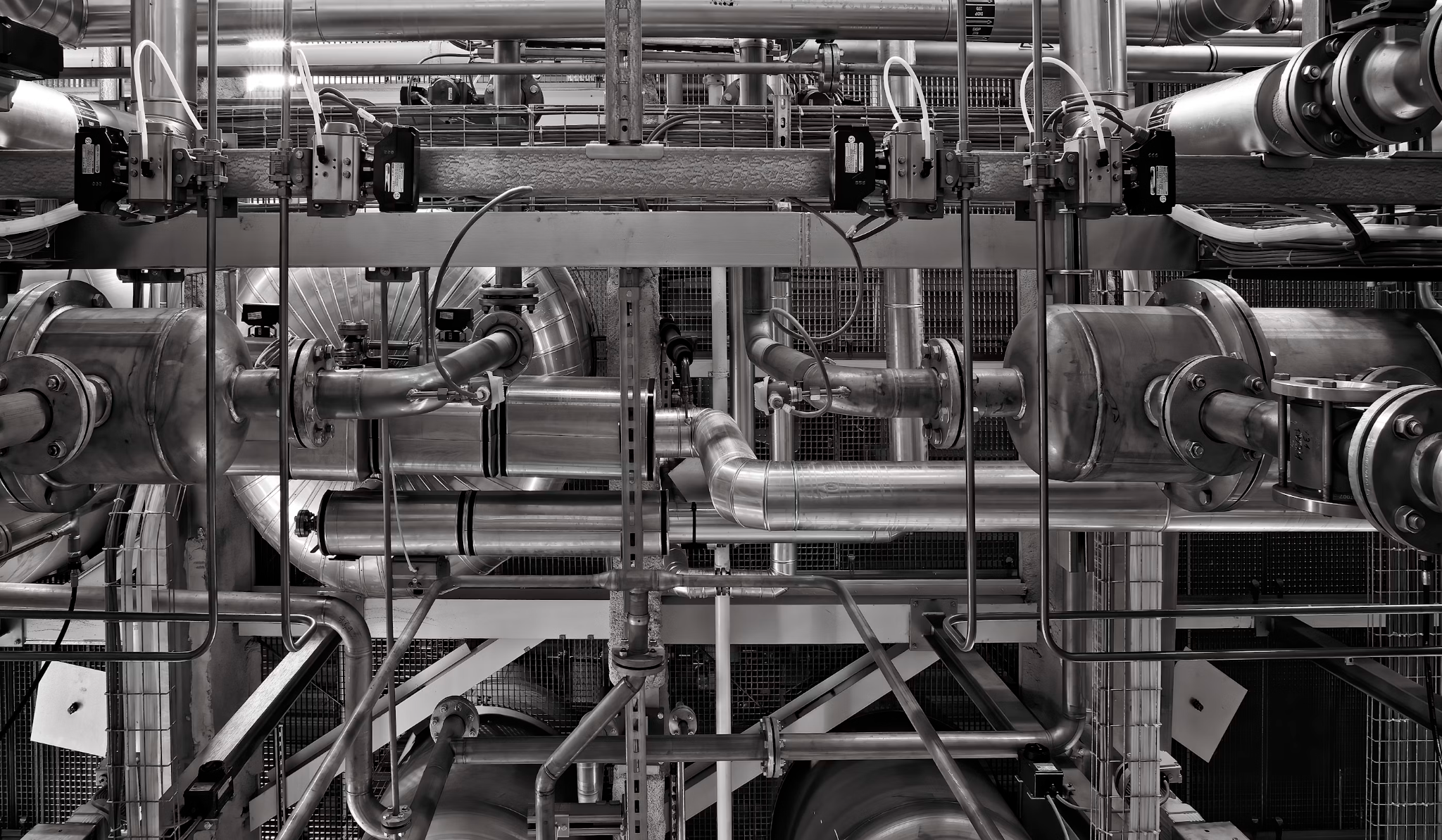
When we picture a large industrial facility, maybe a power plant, a chemical factory, or a manufacturing hub, we usually think of the massive, impressive machinery. We see giant turbines, towering silos, and complex robotic arms. These are the stars of the show, but they rely on unseen heroes to run safely and efficiently. The real stability of these operations often comes from small, overlooked parts working tirelessly behind the scenes.
Beyond the Big Machines
Look past the main equipment, and you’ll find a huge network of pipes, ducts, and vessels. This industrial circulatory system moves everything from steam and water to chemicals and fuel. It might not be as glamorous as the main machinery, but this network is just as important. If even one pipe fails, the whole operation can grind to a halt.
These systems are always under stress. They deal with thermal expansion and contraction from temperature changes, vibrations from nearby equipment, and pressure changes from the materials flowing inside. A completely rigid system would be incredibly vulnerable to these forces, leading to cracks, leaks, and possibly huge failures. That’s why controlled movement is so important here.
Why Controlled Flexibility Matters
For any industrial piping or ducting system to last a long time, it needs to handle movement without breaking. Imagine trying to bend a solid steel rod; it will resist until it snaps. Now, think of a spring. It’s made to compress and extend, absorbing energy without breaking. Industrial systems need their own version of this spring-like toughness.
They achieve this through specialised components designed to absorb movement and vibration. For example, a well-placed bellow expansion joint flexes as pipes expand and contract with temperature changes, helping relieve stress on connection points and the piping system. By introducing this controlled flexibility, engineers can build more reliable systems that minimise costly downtime and improve operational safety.
Reducing Stress in Industrial Systems
Every industrial system deals with three main types of stress: thermal, mechanical, and pressure-related. Thermal stress happens as pipes heat up and expand, or cool down and contract. Mechanical stress comes from vibrations made by pumps, engines, and other machinery. Pressure stress is caused by surges or changes in how materials flow through the pipes.
If these forces aren’t managed, they can lead to metal fatigue, weld failures, and gasket leaks. The solution is to strategically install components that act like shock absorbers. These parts isolate vibrations, make up for thermal movement, and absorb pressure shocks. You can see how industry leaders are always finding new ways to do this by following updates from DCI Inc., which often highlight new approaches to system design and component manufacturing. By actively managing these stresses, facilities can significantly cut down on maintenance costs and make their most valuable assets last longer.
The Role of Custom Manufacturing
Not all industrial environments are the same. A standard, off-the-shelf part might work for a simple water line, but it’s often not good enough for systems dealing with corrosive chemicals, extreme temperatures, or huge pressures. In these tough situations, custom manufacturing isn’t a luxury; it’s a must-have.
Custom parts are made to fit the exact needs of a specific application. This means choosing the right materials for chemical compatibility and temperature resistance, designing for specific movement needs, and making sure the part can handle the operational pressures. The need for such precision is clear in cutting-edge fields, where standard solutions just don’t exist. For example, the challenges of manufacturing for Mars show how critical custom-engineered components are for reliability in extreme conditions. This tailored approach ensures maximum safety, reliability, and longevity.
Boosting Productivity Through Stability
Ultimately, a stable and reliable industrial system means higher productivity. When equipment runs smoothly without unexpected stops, output stays consistent. Fewer breakdowns mean less unplanned downtime for repairs, letting maintenance teams focus on preventing problems instead of fixing emergencies.
This stability also creates a safer work environment, reducing the risk of accidents caused by system failures. By investing in the small but vital components that ensure operations stay intact, businesses aren’t just protecting their machinery. They’re protecting their people, their production schedules, and their profits. It’s about moving from a reactive approach to a proactive one that builds resilience right into the core of the operation.
Paying attention to these unseen heroes is what makes a good industrial operation great. It’s the small details that provide the stability needed to support the big picture, making sure everything runs as it should, day in and day out.