Turning a raw parcel of land into a valuable asset requires more than just a vision; it demands a strategic approach to development. The process of preparing land for construction or resale is where its true potential is unlocked. By making smart decisions from the very beginning, developers and property owners can significantly increase a property’s value, functionality, and appeal. This involves understanding the land itself and executing a plan that transforms its inherent challenges into opportunities.
Understanding Land Potential
Before the first shovel hits the ground, the most critical work is strategic planning. Every piece of land has a highest and best use, which is determined by a combination of zoning regulations, market demand, and geographical location. Identifying this potential is the foundation of smart land development. For example, a plot near a growing commercial district might be ideal for multi-family housing, while land adjacent to industrial parks could be perfect for warehouse space.
Understanding local development plans and future infrastructure projects can also reveal hidden opportunities. A property that seems remote today could be prime real estate in five years if a new highway exit is planned nearby. This foresight allows you to align your development strategy with long-term growth, ensuring your investment appreciates over time.
Initial Site Assessment
Once you have a vision, a thorough site assessment is necessary to determine its feasibility. This step moves from abstract potential to concrete reality. A professional survey will map the property’s topography, boundaries, and existing features. Geotechnical engineers can analyze soil composition to ensure it can support the intended structures. Some projects require very specific criteria; for instance, developers must evaluate a data center site for factors like soil stability, flood risk, and access to power grids.
This assessment identifies potential obstacles early on. Discovering large rock ledges, a high water table, or protected wetlands before you start work saves significant time and money. It allows you to adapt your plans or determine if the project is viable at all, preventing costly surprises down the road.
The Role of Professional Excavation
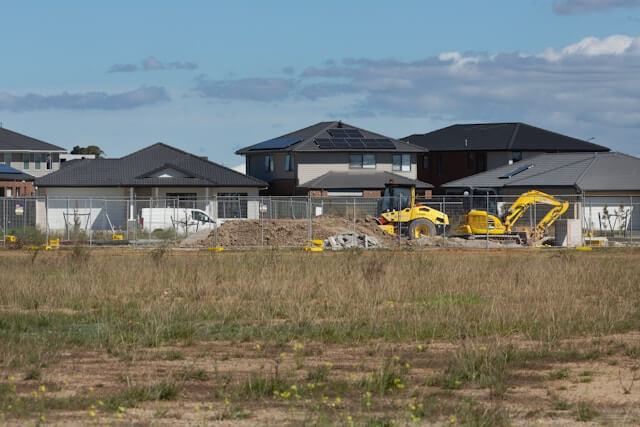
With a clear plan in place, the physical transformation of the land begins. This initial phase is crucial, as it lays the groundwork for everything that follows. Professional excavation is far more than just moving dirt; it is the precise process of clearing the land, digging for foundations and utilities, and shaping the site according to the engineering plans. Proper execution here ensures a stable base for construction and prevents future structural issues.
A skilled team will clear trees, rocks, and debris while carefully preserving the land’s integrity. They dig trenches for water lines, sewer systems, and electrical conduits with precision. This foundational work is essential for the safety, stability, and longevity of any building project. Investing in quality site preparation at this stage is a direct investment in the final asset’s quality.
Grading for Optimal Drainage
After initial excavation, grading is one of the most important steps in preparing a site. Grading involves sculpting the land to create the desired slopes and contours. Its primary purpose is to ensure proper drainage. Poor drainage can lead to a host of expensive problems, including soil erosion, standing water, and foundation damage.
Effective grading directs rainwater and runoff away from building foundations and toward appropriate drainage systems, such as storm sewers or retention ponds. On a residential lot, this might mean creating a gentle slope away from the house on all sides. A large commercial development could involve a complex system of swales and basins. Correct grading not only protects the structures but also helps maintain the stability and health of the entire landscape.
Maximizing Usable Space
Thoughtful excavation and grading can dramatically increase the amount of usable space on a property, directly boosting its value. A sloped or hilly lot that seems difficult to build on can be transformed through terracing. Creating a series of flat, level pads supported by retaining walls helps you turn an unusable incline into multiple areas for buildings, parking, or recreational space.
Similarly, on a flat but uneven site, strategic earthmoving can consolidate low spots and create a larger, contiguous buildable area. This is especially valuable for commercial properties where every square foot of flat ground can be monetized. Viewing the land’s topography as a puzzle to be solved helps you reshape it to maximize its functional and financial potential.
Ultimately, preparing land for development is a process of careful planning and expert execution, especially when you are considering a land development project. Each step, from the initial assessment to the final grading, builds on the previous one to create a stable, functional, and valuable foundation for the future.