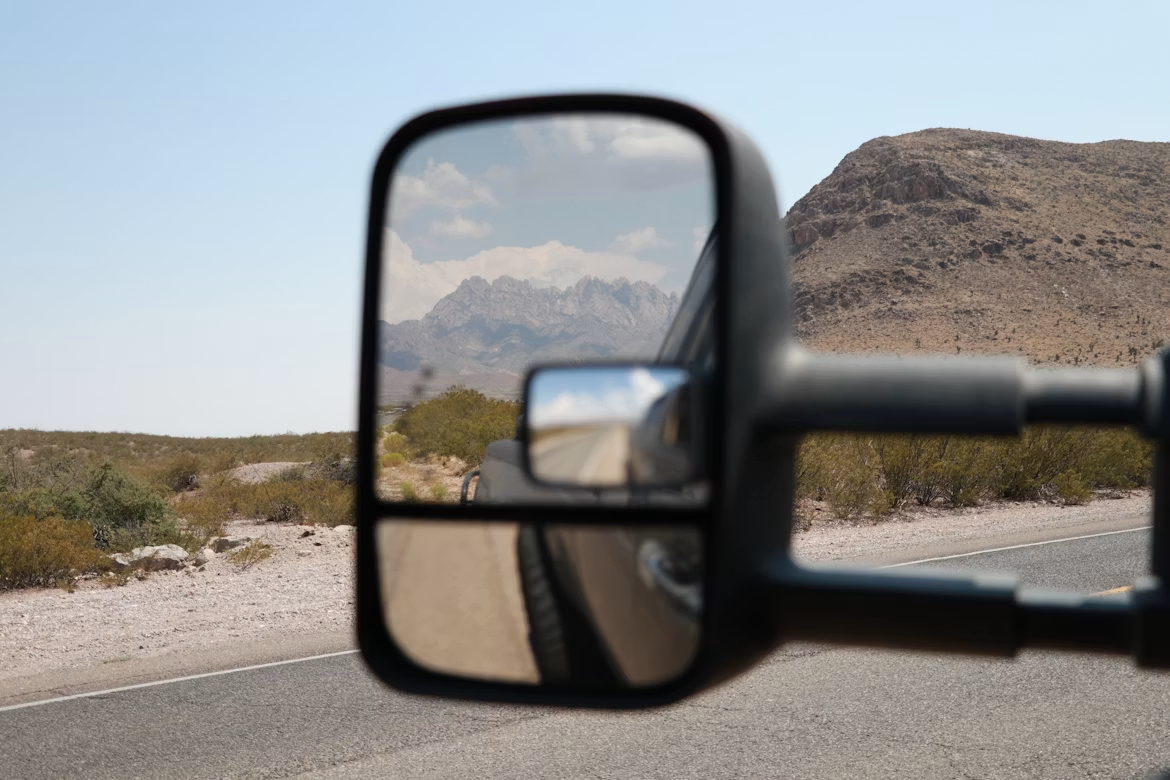
For any vehicle operator, from a daily commuter to a professional truck driver, blind spots represent a constant and significant hazard. These areas around a vehicle are invisible in the mirrors and require specific actions to check, yet failing to do so can lead to serious incidents. Understanding where these zones are, how to train for them, and what technology can help is fundamental to safe driving. Mastering your vehicle’s blind spots isn’t just a good habit; it’s a core responsibility on the road.
Identifying Critical Blind Spot Zones
Every vehicle has blind spots, but their size and location vary dramatically. For a standard passenger car, the main blind spots are typically over the driver’s left and right shoulders. However, for larger vehicles like trucks, buses, and heavy machinery, these zones are much larger and more dangerous. These areas, often called “No-Zones,” can be found along both sides of the truck, directly in front of the cab and for a significant distance behind the trailer.
Understanding these truck blind spot risks is the first step for both the operators of large vehicles and the drivers who share the road with them, and a truck reverse camera can help reduce risk.
Training Drivers for Enhanced Awareness
Technology is a powerful aid, but it can’t replace a well-trained, attentive driver. The foundation of blind spot management is consistent and correct technique. This starts with properly positioning your vehicle’s mirrors. Side mirrors should be angled outward enough so that the side of your own vehicle is barely visible, maximizing the view of adjacent lanes. The rearview mirror should frame the entire rear window.
Beyond mirror setup, the physical act of checking blind spots is non-negotiable. This involves the classic “shoulder check”, a quick glance over your shoulder to see the area your mirrors miss. It’s a habit that must be automatic before every lane change, merge, or turn. For professional drivers, this awareness must be even more heightened, constantly scanning their environment and anticipating how other vehicles might move into their larger blind spots. Mastering how to check blind spots is a skill that requires continuous practice.
Technology That Eliminates Blind Spots
While driver training is essential, modern technology offers powerful solutions to see what mirrors cannot. Advanced driver-assistance systems now include blind-spot monitoring, which uses sensors to detect vehicles in adjacent lanes and alerts the driver with a visual or audible warning. These systems are becoming standard on many new passenger cars.
For larger commercial vehicles, the solutions are even more critical. Vision systems provide a direct view of the most hazardous zones. For example, a quality truck reverse camera can completely eliminate the massive blind spot directly behind a large truck or piece of machinery, an area that is otherwise impossible to monitor. Side-view cameras mounted below the mirrors can show the driver what is happening alongside their trailer, while forward-facing cameras can cover the area just in front of the cab. These systems don’t just reduce risk; they provide operators with the confidence to maneuver safely in tight spaces.
Integrating Vision Systems Seamlessly
Simply installing a camera system isn’t enough to guarantee safety. Proper integration is key to its effectiveness. This means ensuring the monitors are placed within the driver’s natural line of sight, so they don’t have to look far away from the road to check the feed. The system should activate automatically in relevant situations, such as a reverse camera turning on when the vehicle is put in reverse.
Furthermore, drivers need to be trained on how to use and interpret the information from these new vision systems. They should understand the field of view, recognize depth and distance on the screen, and learn to incorporate the camera feed into their overall scanning routine alongside their mirrors and direct vision. Regular maintenance is also important to ensure cameras are clean and functioning correctly, providing a clear and reliable picture every time.
Ultimately, managing blind spots requires a combined approach. It relies on vigilant drivers who use proven techniques, supported by technology that fills in the gaps where human vision can’t reach.