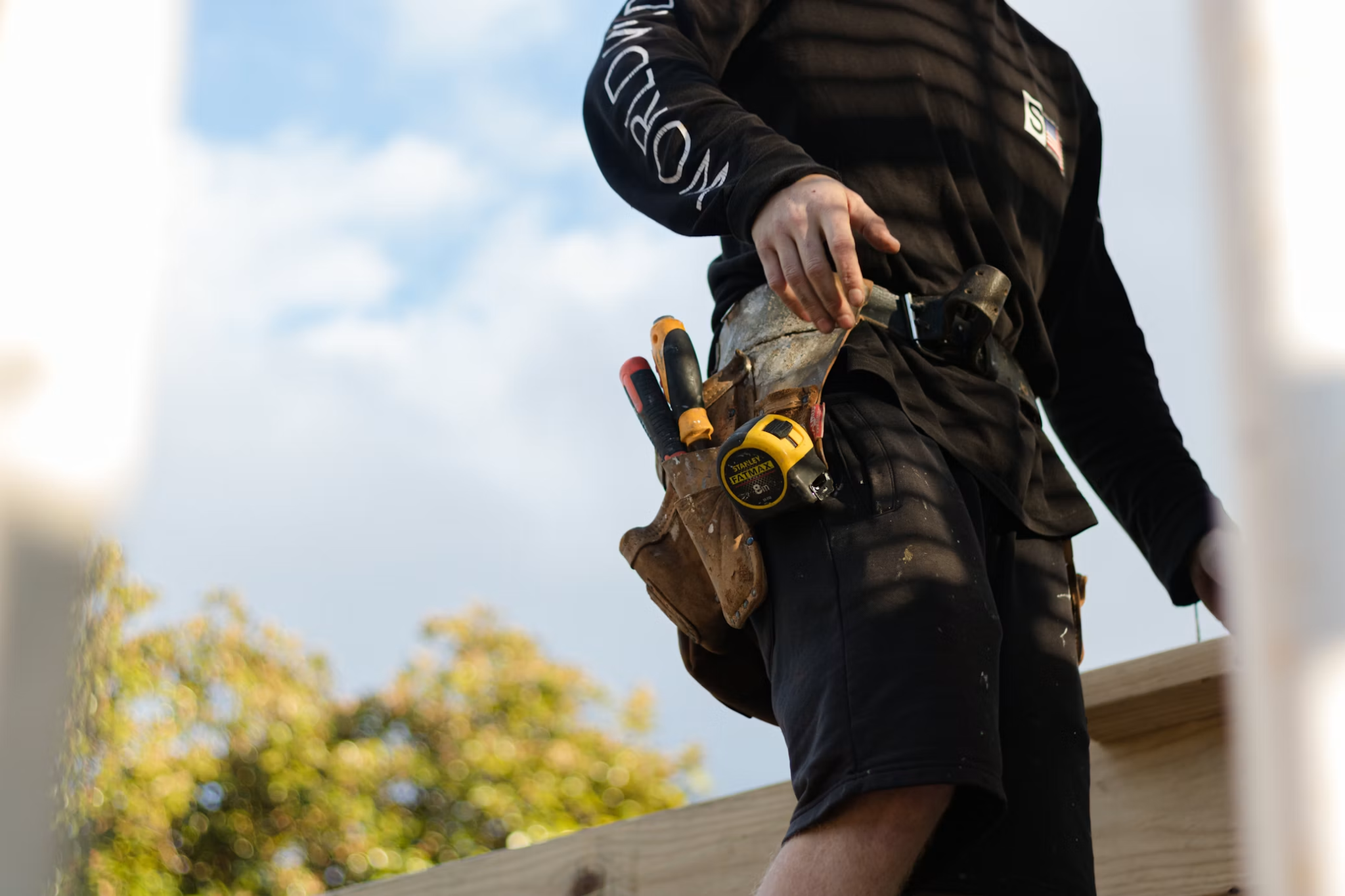
A property’s long-term return depends on more than its purchase price and eventual selling price. The condition of the building, timing of major repairs and quality of installed materials all shape its financial performance. Deferred work can turn a manageable expense into an urgent capital project, while well-planned upgrades can support reliable income and preserve resale value. Treating maintenance as part of your investment strategy gives you better control over costs throughout the ownership period, much like the need to align your investment decisions with lifestyle goals.
Understanding Property as an Investment
Property produces value through several channels, including rental income, potential appreciation and equity growth as debt is repaid. Owners also need to account for operating expenses, vacancies and major capital projects. A realistic forecast should cover the full real estate investment lifecycle, from acquisition and operation to improvement and sale.
Create separate budgets for routine operations and capital expenses. Cleaning common areas belongs in the operating budget, while replacing a roof or heating system is a capital expense. Keeping these categories separate makes cash flow easier to assess and prevents large projects from appearing as unexpected financial shocks.
The Impact of Maintenance on Value
Regular maintenance protects both the building and the revenue it generates. A small plumbing leak can damage flooring, walls and electrical components if it remains unnoticed. The repair bill may then include several trades plus lost rent while the affected space is restored.
Use a written inspection schedule that covers:
- Roof surfaces, drainage points and exterior seals
- Heating, cooling and ventilation equipment
- Plumbing fixtures and visible supply lines
- Windows, doors and exterior finishes
- Shared areas and safety systems
Records matter as much as the inspections. Keep invoices, photographs, warranties and service reports in one digital folder. These documents help contractors understand previous work and give prospective buyers evidence that the property has received consistent care.
Evaluating Key Infrastructure Upgrades
Prioritize upgrades according to risk, remaining service life and effect on daily operations. Water entry, electrical faults and unreliable heating generally deserve attention before cosmetic changes. If inspections reveal recurring roof leaks, damaged membranes or failing drainage, reviewing flat roof replacement considerations can help owners understand material performance, replacement timing and ongoing maintenance needs.
Request written assessments before approving a large project. Each proposal should explain the current defect, recommended work, expected service life and warranty conditions. Compare the scope line by line because a lower quote may exclude disposal, insulation repairs or drainage improvements. An independent inspection can also clarify whether repair or replacement offers better value.
Long-Term Performance for Roof Systems
Roof performance depends on design, installation quality, drainage and maintenance. Even durable membranes can fail early when water pools around blocked drains or poorly sealed penetrations. Inspect low-slope and flat systems at least twice a year, as well as after severe weather. Look for open seams, surface bubbles, loose flashing and debris around drainage points.
Track the roof’s age and repair history, then establish a replacement reserve before widespread failure occurs. For example, setting aside a fixed amount each month over eight years is easier on cash flow than funding an emergency project at once. Planned work also gives you time to compare contractors, review warranties and schedule installation during suitable weather.
Cost-Benefit Analysis of Durable Materials
The lowest initial price rarely tells the full financial story. Compare materials by life-cycle cost, including purchase, installation, maintenance, energy use, and replacement frequency. This supports the patient approach associated with long-term real estate investment.
For example, a $12,000 exterior product lasting 15 years may cost more annually than a $17,000 option lasting 30 years. However, durability only adds value when the product suits the building and qualified installers follow manufacturer requirements.
Consider:
- Expected service life
- Labour and maintenance costs
- Warranty coverage and exclusions
- Energy or insurance savings
- Future replacement disruption
Start with a condition assessment to identify ageing systems and create a five-year capital plan. Review it annually, update cost estimates, and adjust timelines when inspections reveal faster deterioration. This keeps major expenses visible before they become emergencies.
Leave a Reply