For modern businesses, long-term growth isn’t just about maximizing short-term profits anymore. Real success comes from a foundation of sustainability, where smart investments build a company that’s not only profitable but also resilient, efficient, and responsible. Integrating sustainable practices isn’t a cost; it’s a powerful engine for innovation and stability in an ever-changing market.
These investments go beyond simple eco-friendly gestures. They involve strategically rethinking how your business operates, from the energy you use to the partners you choose. Focusing on sustainability helps you unlock new efficiencies, strengthen your brand reputation, and build a lasting competitive advantage.
Defining Sustainable Business Practices
When people hear sustainability, they often think of environmental issues. But in a corporate setting, the meaning is much broader. Sustainability in business is meeting the needs of today without compromising the ability of future generations to meet their own. This idea relies on three main pillars: environmental, social, and economic.
- Environmental: This involves minimizing your company’s negative impact on the planet. For example, reducing carbon emissions, saving water, cutting down on waste, and using renewable energy.
- Social: This pillar focuses on your company’s relationship with its employees, customers, and the community. It means ensuring fair labor practices, promoting diversity and inclusion, and acting ethically in business.
- Economic: This is the traditional bottom line. A sustainable business needs to be profitable to survive. The goal is to make money without negatively affecting the other two pillars.
True sustainability happens where these three areas meet, creating value for both your business and society.
Operational Efficiency as a Growth Driver
One of the most immediate benefits of adopting sustainable practices is a big jump in how efficiently you operate. When you start looking at your processes through a sustainability lens, you naturally find ways to cut waste and reduce costs. Think about a factory that invests in energy-efficient machinery. This not only lowers its carbon footprint but also leads to significant savings on utility bills every month.
This idea applies everywhere. Running a strong recycling program reduces landfill fees. Optimizing delivery routes saves fuel and lowers transportation costs. Even small changes, like switching to LED lighting or installing low-flow faucets, help create a leaner, more profitable operation. These small, ongoing improvements add up, freeing up capital that can be reinvested into other business growth strategies.
How Packaging Impacts Your Bottom Line
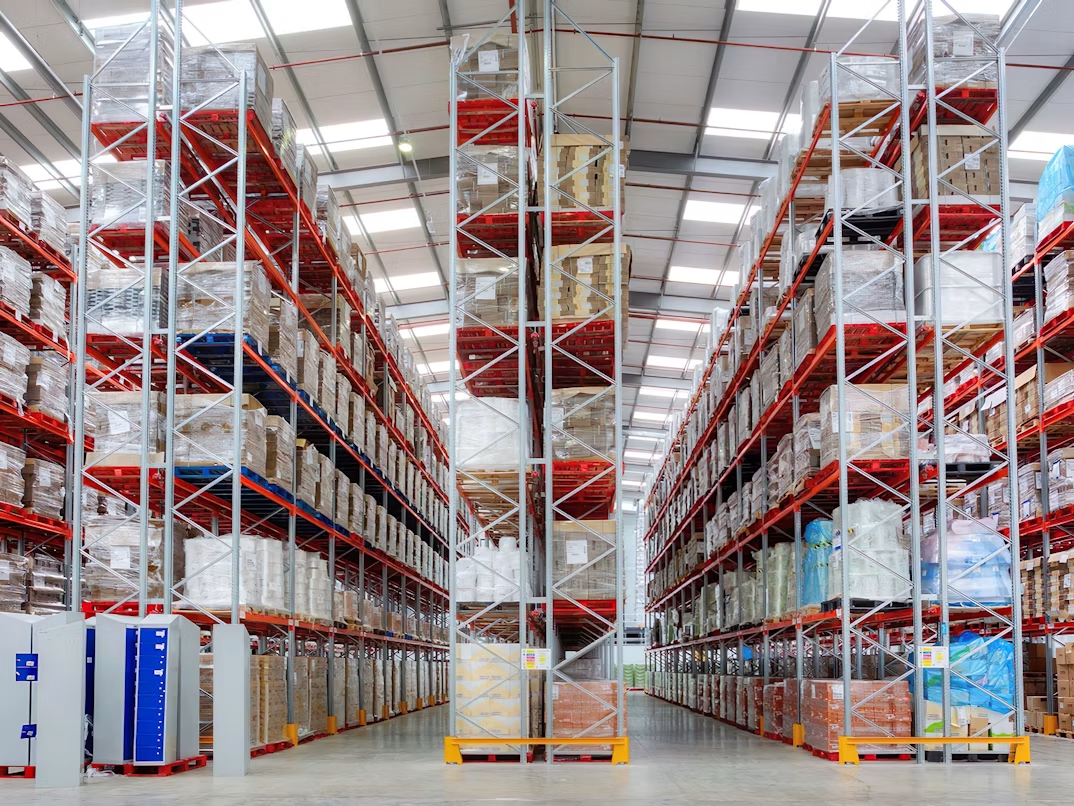
Packaging is a crucial but often overlooked area where sustainability and cost-efficiency meet. For businesses that ship products, the materials used directly affect expenses, product safety, and how the brand is seen. Over-packaging not only wastes material but also increases shipping weight and costs. On the other hand, poor packaging can lead to damaged goods, expensive returns, and unhappy customers.
Investing in smarter packaging strategies directly benefits your bottom line. This might mean right-sizing boxes to eliminate extra void fill, switching to lighter yet durable materials, or working with a supplier that offers efficient bulk packaging solutions. By optimizing how products are protected and transported, companies can significantly reduce material waste, lower freight expenses, and ensure their goods arrive safely, improving customer satisfaction and protecting revenue.
Future-Proofing Your Supply Chain
Your company’s sustainability is directly tied to the practices of your suppliers and partners. A disruption anywhere in your supply chain can stop your operations. Building a future-proof supply chain means prioritizing resilience, transparency, and shared values. This involves checking suppliers not just on price but also on their environmental and social performance.
Consider getting materials from local or regional suppliers to cut transportation emissions and support local economies. Work with logistics partners who are committed to optimizing routes and using fuel-efficient fleets. Adopting these strategies for sustainable business growth makes your supply chain less vulnerable to global disruptions, geopolitical instability, and fluctuating fuel prices. A transparent and ethical supply chain also boosts your brand’s reputation, attracting customers who value corporate responsibility.
Measuring the ROI of Infrastructure Upgrades
To get people to support sustainable initiatives, you need to talk about what businesses care about: return on investment (ROI). While some benefits, like a better brand image, are hard to measure, many sustainable upgrades offer clear and quantifiable financial returns. When evaluating an investment, such as installing solar panels or upgrading an HVAC system, the calculation should go beyond the initial price tag.
Calculate the total cost of ownership, including long-term energy savings, reduced maintenance needs, and potential government incentives or tax credits. For example, a new water recycling system might have a high upfront cost, but if it cuts your company’s water bill by 70%, you can precisely calculate its payback period. Tracking these numbers shows that sustainability isn’t just an ethical choice but a financially smart one that directly helps long-term profitability.
Embedding sustainability into your business strategy means making smart, forward-thinking decisions. It’s an ongoing commitment to efficiency and responsibility that strengthens your company from the inside out, preparing it for the challenges and opportunities of the future.