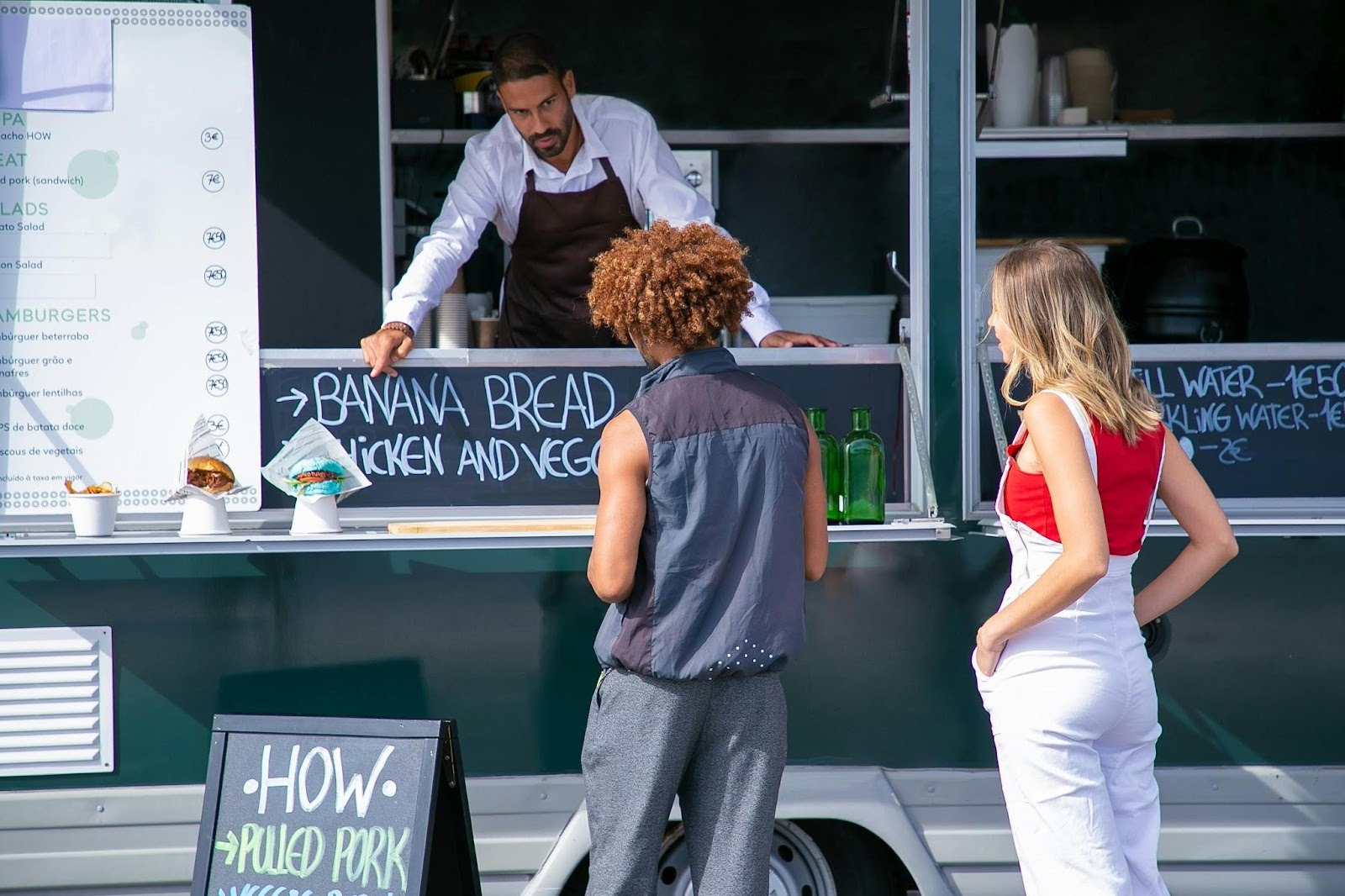
If you are thinking of a career change and wondering whether a role in food could be for you, then having your own food business might be the way to go. Running a food business is one of those pursuits that sits somewhere between craft and endurance sport. It asks for creativity, precision, resilience, and a tolerance for chaos that few other industries demand. Whether you’re dreaming of a café, a street food stall, a catering company, or a full-scale restaurant, the foundations are the same: good food, consistent systems, and a clear understanding of how to survive in a space where margins are tight and expectations are high.
The Idea: More Than Just Good Food
It often begins with a dish, or a memory of one. Something you know how to make well, something people respond to. But turning that into a business requires translating flavour into concept. Who is your customer? What experience are they buying into? Is it quick comfort on a lunch break, a slow evening meal, or something portable and exciting eaten on the move? A strong concept doesn’t just describe the food; it frames the entire experience. From menu design to branding to pricing, everything should feel like it belongs to the same story. Without that cohesion, even excellent food can feel forgettable.
Planning and Costs
Before anything else, you need a realistic plan. Food businesses have a habit of appearing deceptively simple from the outside. In reality, costs accumulate quickly. Rent, equipment, ingredients, staffing, licensing, insurance: each element needs to be mapped out in detail. Cash flow is often the biggest challenge. Many food businesses fail not because they lack customers, but because they run out of money during the early stages. Building in a financial buffer can be the difference between surviving a slow month and shutting down entirely.

Location and Layout
Where you operate shapes how you operate. A high-footfall city centre location offers visibility but comes with higher rent and competition. A quieter neighbourhood may offer lower costs but requires stronger local engagement. Inside your space, layout matters more than many expect. Efficiency in the kitchen directly affects service speed and staff stress levels. Something as simple as installing PVC strip curtains in walk-in fridges or between kitchen zones can help maintain temperature control, improve hygiene, and reduce energy costs. These small, practical decisions often go unnoticed by customers but make a significant difference to daily operations.
Labelling is another of those quiet operational details that pays off inside a busy kitchen, since dated containers and clearly marked allergen jars keep both staff and inspectors happy. Batch of round stickers on a roll makes it easy to date-mark prepped stock, tag decanted ingredients, or seal takeaway lids consistently and because they peel off a roll one at a time they suit a wet, fast-moving prep area far better than loose sheets that get damaged or lost.
Suppliers and Ingredients
Your suppliers are your backbone. Reliable sourcing ensures consistency, and consistency builds trust with customers. It’s worth investing time in finding suppliers who understand your needs and can deliver quality regularly. Seasonality can also play a role. Menus that adapt to what’s available not only keep things fresh but can help control costs. There’s a quiet confidence in a business that doesn’t try to serve everything all the time.