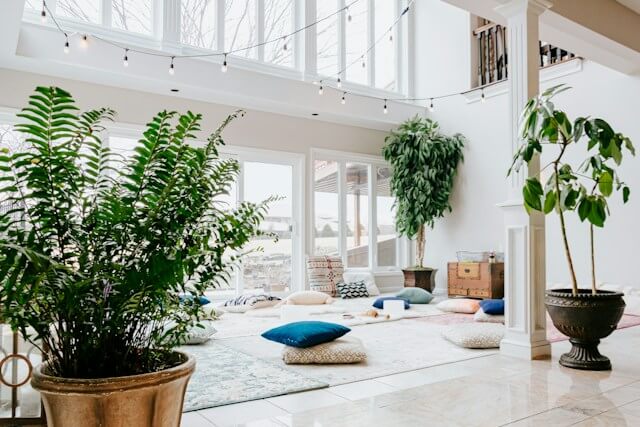
Modern homes increasingly support the daily habits that help people sleep better, feel calmer, and stay active. Wellness-focused architecture brings those goals into the floor plan through natural light, cleaner air, quiet rooms and easy access to outdoor space. These features can improve everyday comfort while giving a property lasting appeal.
The shift also changes how buyers evaluate real estate. Square footage still matters, but the quality of the indoor environment often carries equal weight.
Wellness starts with the floor plan
A wellness-oriented home should make healthy routines feel natural. An open path between the kitchen and outdoor dining area encourages residents to eat outside, while a dedicated exercise room removes the need to rearrange furniture before every workout. Flexible spaces can also support meditation, stretching, or focused work as needs change.
Current wellness architecture trends include stronger connections with nature, spaces that support social interaction and designs suited to different ages and physical abilities. When reviewing a floor plan, trace a normal day through the home. Look for convenient movement, comfortable transitions and private areas where residents can recharge without shutting themselves away completely.
What buyers should look for
Wellness claims can be vague, so buyers need to examine the design choices behind the marketing. Natural ventilation, shaded outdoor areas and low-emission finishes are specific features. A generic relaxation room carries less value if it lacks privacy, suitable lighting or proper airflow.
Developers such as Diana Ulis show how luxury real estate can combine wellness, heritage and livability, especially in boutique waterfront development. That combination gives buyers a useful standard for evaluating premium homes. Ask how the property responds to its climate, preserves local character and supports ordinary routines. Lasting luxury often appears in decisions you’ll appreciate every morning, not features reserved for occasional entertaining.
Light, air and sound shape daily comfort
Windows influence far more than a room’s appearance. Their size and placement affect daylight, glare, privacy and indoor temperature. Bedrooms benefit from morning light and effective blackout treatments, while work areas need steady illumination without harsh reflections on screens.
Air quality deserves similar attention. Operable windows, effective filtration and range hoods that vent outdoors can reduce indoor pollutants. Buyers should ask how often filters need replacement and whether moisture-prone rooms have adequate ventilation.
Sound control matters too. Solid doors, insulated walls and thoughtful room placement can keep laundry equipment or mechanical systems from disturbing sleep. These quiet details may be less visible during a tour, so pause in each room and listen before moving on.
Nature moves closer to home
Biophilic design brings natural materials, plants, daylight and outdoor views into residential spaces. A courtyard visible from several rooms may provide more daily value than a large yard hidden behind a garage. Covered terraces also extend the time residents can spend outside by offering shade and shelter.
The growing interest in wellness-focused homes reflects buyers’ preference for spaces that support physical and emotional health. Practical options include native landscaping, screened outdoor rooms and windows that frame greenery. Indoor plants can help create a pleasant setting, though they aren’t substitutes for good ventilation. Choose design features that suit the property’s climate and the amount of maintenance you’re prepared to handle.
Technology works best in the background
Smart home systems can support wellness when they reduce friction. Automated shades can manage glare throughout the day, air-quality monitors can flag ventilation problems, and lighting controls can shift toward warmer tones in the evening. The technology should remain easy to override manually.
Before buying or renovating, check which systems rely on subscriptions and which require a specialist for routine service. A simple programmable thermostat may serve you better than an elaborate control panel that becomes obsolete quickly. Wired controls and standardized components often offer greater reliability.
Technology is only one part of good residential design. The broader future of luxury living also includes personalization, sustainability and spaces shaped around residents’ real routines.
Design for health and lasting value
Wellness features have the greatest impact when they’re built into the architecture from the start. Proper window orientation, acoustic separation and durable low-emission materials are difficult or expensive to correct after construction. Moveable furniture and decorative accessories can come later.
During a property tour, notice how the home feels at different times of day. Check afternoon heat in rooms with large windows, listen for noise near bedrooms, and inspect the route from indoor living areas to outdoor spaces. Request details about ventilation, water efficiency, and material care as well.
A home that supports well-being should work quietly in the background. When daylight arrives where it’s needed, fresh air moves effectively, and private spaces genuinely feel restful; wellness becomes part of daily life instead of another item on an amenity list.
Leave a Reply