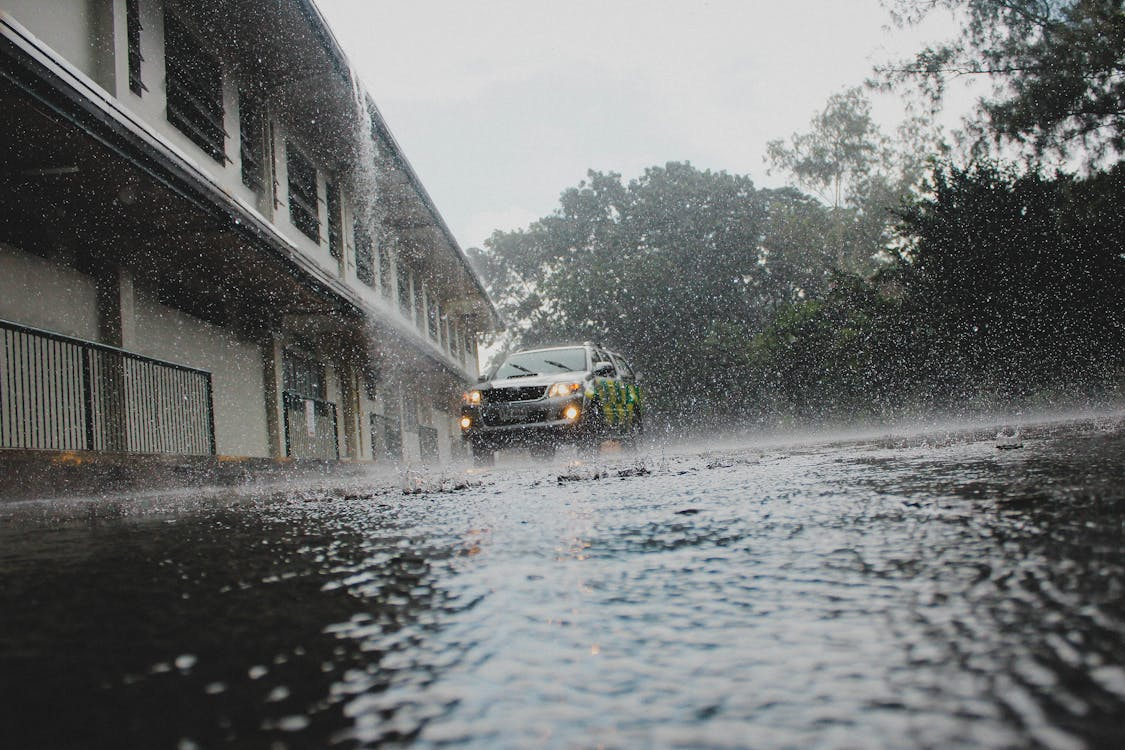
When you own a commercial property, whether you run your business out of it or you lease it to others, then you’re responsible for giving it the care it needs, protecting it from the effects of wear and tear as well as damage from natural events like the weather. As such, when storm season arrives, it’s important to make sure that you’re prepared for it. Here, we’re going to look at some of the protections you should put in place and the types of damage you should anticipate.
Roof Inspection And Protection
The roof is one of the most important parts of the whole building during storm season, acting as its first line of defense. As such, you should arrange for a professional inspection to check for any loose flashings, damaged membranes, cracked sealants, as well as clogs or damage around HVAC units. Even if these issues are minor, they can become major vulnerabilities, leading to leaks, water damage, and mold growth, all of which can make the workplace unsafe for use, forcing employees to avoid working in those spots or even to go home. Flat commercial roofs are especially prone to pooling water if drains are blocked. Addressing small issues early is far more cost-effective than emergency repairs after a storm.
Clear And Maintain Your Drainage Systems
Without drainage doing its job, your building can become a lot more susceptible to water intrusion, especially around the base, where it could potentially do damage to the foundation. Take the time to inspect and clean your gutters, downspouts, storm drains, and parking lot grates to make sure that the water is able to flow consistently away from the building. If there’s any debris around, such as leaves, trash, or sediment, clean it in advance so that it doesn’t become a hazard that could contribute to blockages, leading to water pooling or seeping around the base of the building. You need to make sure that your drainage is able to reliably keep water far away enough from your building, reducing the risk of flooding, soil erosion, or structural damage.
Inspect Your Trees And Landscaping
Don’t underestimate how much of a danger your greenery can be in serious storm conditions, especially if you have any trees. High winds and heavy rain can easily strip them of dead branches and weak limbs, turning them into projectiles that can damage your building as well as surrounding vehicles or even people who are outdoors. You should also keep an eye out for signs of disease or structural imbalance, like deep vertical cracks or leaning, which could put it at risk of falling over in a storm. With the help of commercial tree care services, you can perform a risk assessment of the tree, recommending steps like pruning or cabling, or even letting you know when removal might be necessary. Proactive tree care not only protects buildings and vehicles but also helps preserve the appearance and safety of your commercial property.
Secure Loose Outdoor Items
Broken branches aren’t the only things that can become projectiles. If those winds pick up and become strong enough, they can just as easily find use for outdoor furniture, signage, trash receptacles, planters, and work equipment. Take the time to walk the property to identify anything that isn’t anchored in place. You can secure many of your outdoor items with fasteners or store them indoors when storms are forecasted. Even small objects can break windows or injure people when they’re picked up by winds going at a high enough speed. This can make them a major liability risk.

Seal Your Windows And Doors
Any part of the property that has a seam becomes a point of vulnerability during a storm, especially when the wind is driving the rain directly against that side of the building. Check the seals of your doors and windows, as well as any existing weather stripping, caulking, or door sweeps to see if they’re holding strong or if gaps are appearing. Replacing any warn materials can stop new drafts or leaks from forming. If your property experiences storms routinely, then you might want to invest in protective storm shutters or impact-resistant glass, especially if you have larger windows, which are common for commercial properties. Even small leaks can lead to high costs over time, so don’t ignore any vulnerability, no matter how insignificant it may appear at a glance.
Consider Flood Defenses
If your commercial property is in an area that’s prone to floods, then naturally you shouldn’t consider yourself an exception. Evaluate that building’s elevation and keep an eye out for vulnerable entry points, such as ground-level doors, loading docks, and basement windows, where water could enter. There, you should put in place protections like flood barriers, sandbag systems, or water-activated flood panels. Check your sump pump (if you have one) to make sure that it’s working properly, and prepare for common flood-related issues like power outages by having backup generators and batteries in place. You should also elevate any critical electrical equipment and servers above potential flood levels. Most important is to make sure that you have flood insurance to keep you covered from the serious financial risk they pose.
Make Sure You Have A Continuity Plan
If you run a business out of your commercial property, it’s important that you think about how it’s going to operate if a storm makes the usual workplace unusable. Having continuity plans can help you decide how to manage communications, evacuate the property, and ensure that you still have access to payroll and cloud backup to make sure that the business isn’t crippled by momentary accessibility. Test your remote working systems so that you’re able to keep your people busy even when they’re not able to get on-site.
If storms are an annual routine in your area, then all of the steps above should be part of your routine, as well. Otherwise, your building can quickly end up becoming much more expensive than it needs to be.
Leave a Reply