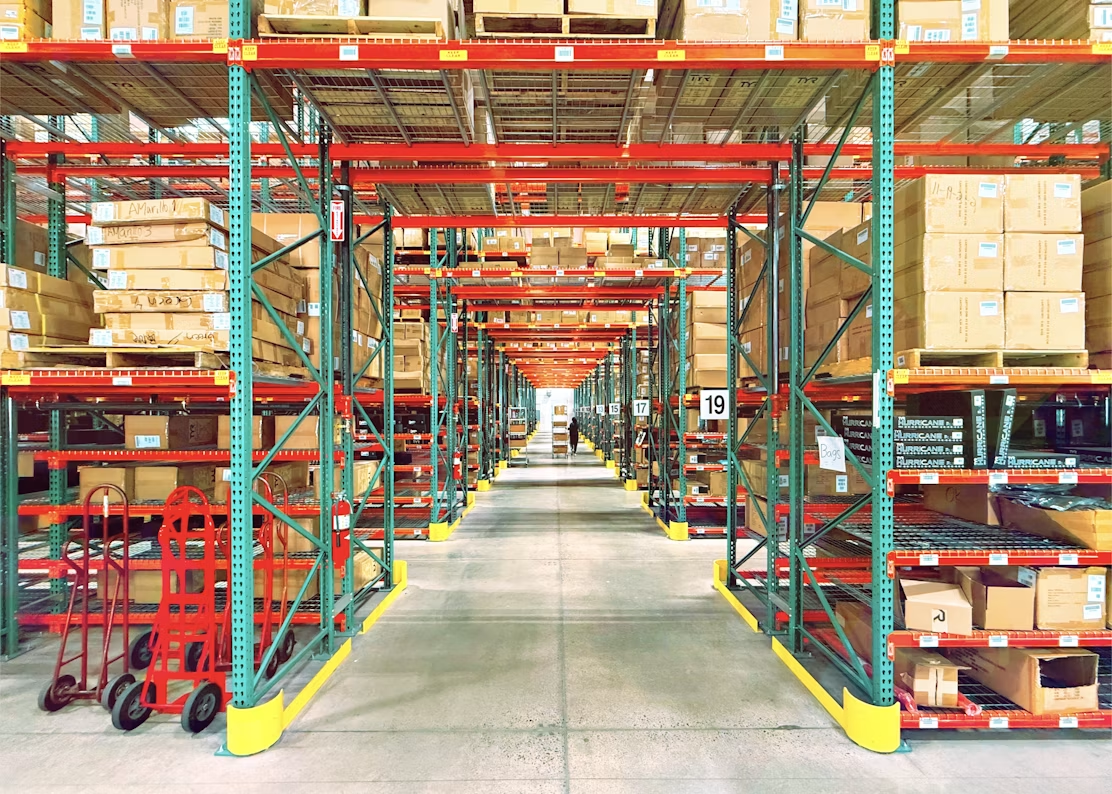
For any growing business, managing the movement of goods, information and resources is a critical component of success. Effective logistics management ensures that products reach customers on time and in good condition, directly influencing customer satisfaction and profitability. As a company scales, its logistical needs become more complex, making a well-optimized strategy not just beneficial but essential for sustainable growth, especially when understanding warehouse challenges.
Understanding Supply Chain Efficiency
The supply chain is the entire network involved in creating and delivering a product to the end user, from sourcing raw materials to final delivery. Efficiency within this chain means minimizing costs, time and waste at every stage. For a small business, this could be as simple as finding a more reliable local supplier. For a larger enterprise, it involves complex global networks. According to the University of Memphis, understanding supply chain management is at the heart of business success. An efficient supply chain is lean and responsive, capable of adapting to market changes without incurring unnecessary expenses or delays.
The Impact of Inventory Management
Effective inventory management strikes a delicate balance. Holding too much inventory ties up capital, increases storage costs and risks product obsolescence. Holding too little can lead to stockouts, lost sales and frustrated customers. Techniques like Just-in-Time (JIT) aim to receive goods only as they are needed in the production process, reducing inventory costs. Conversely, a Just-in-Case (JIC) strategy involves keeping larger stocks on hand to buffer against unexpected demand or supply disruptions. The right approach depends on your industry, product demand variability and supply chain reliability. Regularly analyzing sales data helps you forecast demand more accurately and maintain optimal stock levels.
Strategic Storage for Business Continuity
Storage is often viewed as a simple cost center, but it plays a strategic role in business operations. As a company expands, it can quickly outgrow its initial premises. This can lead to disorganized workspaces, inefficient order fulfillment and even safety hazards. Finding the best storage solution allows a company to free up valuable operational space, securely house excess inventory or equipment and create a more organized workflow. This approach supports business continuity by ensuring that assets are protected and accessible, allowing you to scale operations smoothly without being constrained by your physical footprint. It turns a logistical challenge into a strategic advantage, providing the flexibility needed to respond to growth opportunities.
Leveraging Technology in Logistics
Technology is a powerful force in modern logistics. Software platforms can automate and optimize many aspects of the supply chain, from warehousing to transportation. A Warehouse Management System (WMS) can track every item in a facility, guiding workers on the most efficient paths for picking and packing orders. A Transportation Management System (TMS) helps plan the most cost-effective shipping routes and carriers. Beyond management software, data analytics provides deep insights into performance, highlighting bottlenecks and areas for improvement. This data-driven approach is key to achieving true supply chain optimization and building a more resilient and efficient operation.
This extends to dynamic planning for vehicle fleets, where sophisticated algorithms can continuously adjust delivery schedules and sequencing to respond to real-time events like traffic delays or urgent customer requests. These systems help minimize fuel consumption and reduce delivery times, improving both environmental impact and customer satisfaction. Implementing automated route solutions can transform complex logistical challenges into streamlined, efficient operations. Such optimization ensures resources are utilized effectively, preventing inefficiencies that might otherwise impact profitability and service levels.
Future Trends in Business Operations
The field of logistics is constantly evolving. Looking ahead, several trends are set to reshape how businesses operate. Automation and robotics are becoming more common in warehouses, handling repetitive tasks like sorting and moving goods with speed and precision. Artificial intelligence (AI) is being used to create more accurate demand forecasts and optimize routes in real time. Sustainability is also a growing focus, with companies seeking to reduce the environmental impact of their logistics through greener transportation options and packaging. Finally, the rise of e-commerce has put immense pressure on “last-mile delivery”, the final step of getting a product to the customer’s door. Businesses that can innovate in these areas will gain a significant competitive edge.
Optimizing logistics is an ongoing process of refinement. By focusing on efficiency, smart inventory and storage strategies and the right technology, you can build a strong operational foundation that supports your company’s growth now and into the future.

Image Credit: Unsplash
For any growing business, managing the movement of goods, information and resources is a critical component of success. Effective logistics management ensures that products reach customers on time and in good condition, directly influencing customer satisfaction and profitability. As a company scales, its logistical needs become more complex, making a well-optimized strategy not just beneficial but essential for sustainable growth, especially when understanding warehouse challenges.
Understanding Supply Chain Efficiency
The supply chain is the entire network involved in creating and delivering a product to the end user, from sourcing raw materials to final delivery. Efficiency within this chain means minimizing costs, time and waste at every stage. For a small business, this could be as simple as finding a more reliable local supplier. For a larger enterprise, it involves complex global networks. According to the University of Memphis, understanding supply chain management is at the heart of business success. An efficient supply chain is lean and responsive, capable of adapting to market changes without incurring unnecessary expenses or delays.
The Impact of Inventory Management
Effective inventory management strikes a delicate balance. Holding too much inventory ties up capital, increases storage costs and risks product obsolescence. Holding too little can lead to stockouts, lost sales and frustrated customers. Techniques like Just-in-Time (JIT) aim to receive goods only as they are needed in the production process, reducing inventory costs. Conversely, a Just-in-Case (JIC) strategy involves keeping larger stocks on hand to buffer against unexpected demand or supply disruptions. The right approach depends on your industry, product demand variability and supply chain reliability. Regularly analyzing sales data helps you forecast demand more accurately and maintain optimal stock levels.
Strategic Storage for Business Continuity
Storage is often viewed as a simple cost center, but it plays a strategic role in business operations. As a company expands, it can quickly outgrow its initial premises. This can lead to disorganized workspaces, inefficient order fulfillment and even safety hazards. Finding the best storage solution allows a company to free up valuable operational space, securely house excess inventory or equipment and create a more organized workflow. This approach supports business continuity by ensuring that assets are protected and accessible, allowing you to scale operations smoothly without being constrained by your physical footprint. It turns a logistical challenge into a strategic advantage, providing the flexibility needed to respond to growth opportunities.
Leveraging Technology in Logistics
Technology is a powerful force in modern logistics. Software platforms can automate and optimize many aspects of the supply chain, from warehousing to transportation. A Warehouse Management System (WMS) can track every item in a facility, guiding workers on the most efficient paths for picking and packing orders. A Transportation Management System (TMS) helps plan the most cost-effective shipping routes and carriers. Beyond management software, data analytics provides deep insights into performance, highlighting bottlenecks and areas for improvement. This data-driven approach is key to achieving true supply chain optimization and building a more resilient and efficient operation.
Future Trends in Business Operations
The field of logistics is constantly evolving. Looking ahead, several trends are set to reshape how businesses operate. Automation and robotics are becoming more common in warehouses, handling repetitive tasks like sorting and moving goods with speed and precision. Artificial intelligence (AI) is being used to create more accurate demand forecasts and optimize routes in real time. Sustainability is also a growing focus, with companies seeking to reduce the environmental impact of their logistics through greener transportation options and packaging. Finally, the rise of e-commerce has put immense pressure on “last-mile delivery”, the final step of getting a product to the customer’s door. Businesses that can innovate in these areas will gain a significant competitive edge.
Optimizing logistics is an ongoing process of refinement. By focusing on efficiency, smart inventory and storage strategies and the right technology, you can build a strong operational foundation that supports your company’s growth now and into the future.