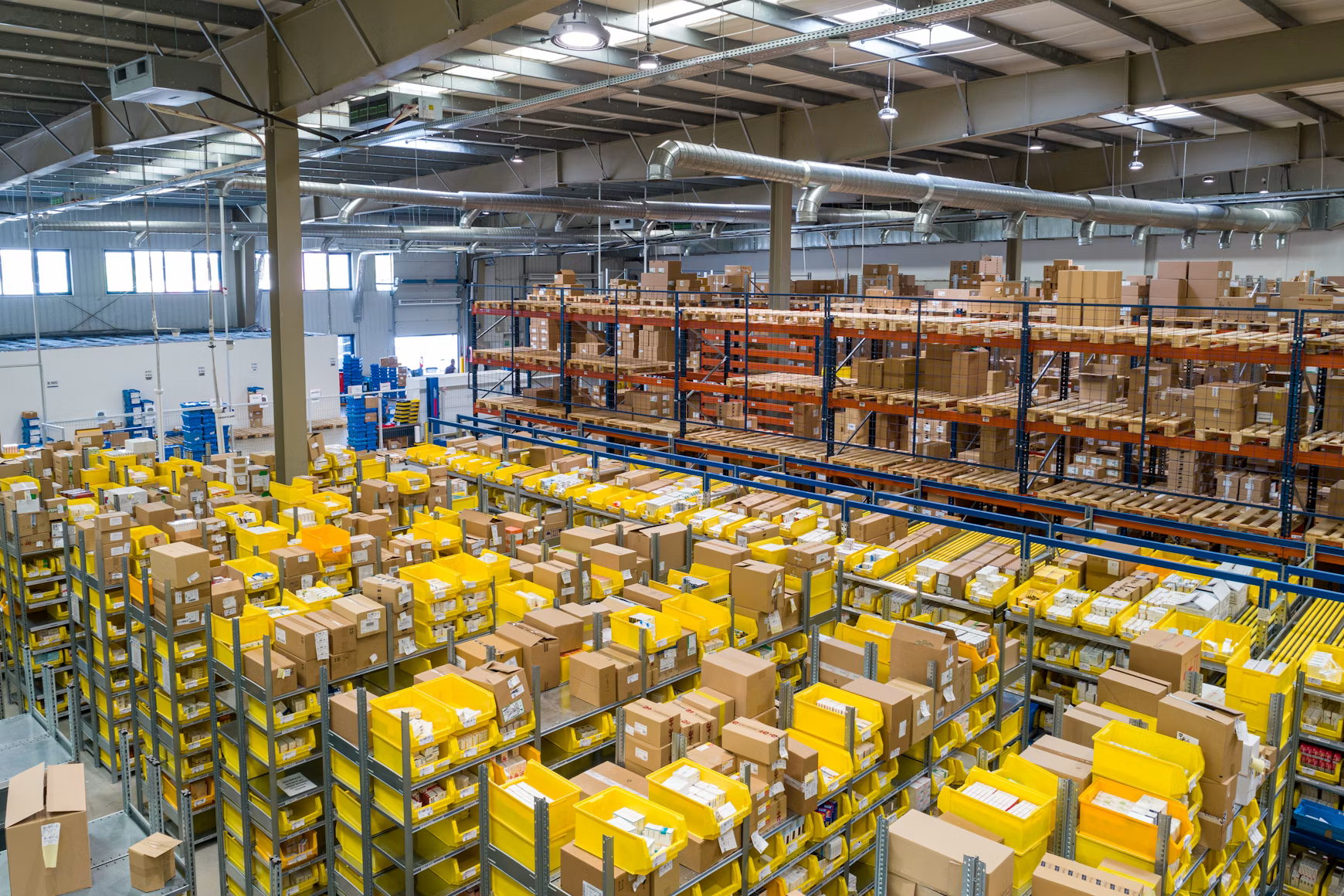
An efficient supply chain is more than just a way to move products from point A to point B. For a growing business, it’s a strategic asset that directly impacts customer satisfaction, operational costs, and the ability to scale. Thinking of logistics as a background function is a missed opportunity; instead, it should be seen as a central pillar of your growth strategy. Mastering the flow of goods and information helps you build a more resilient, profitable and competitive enterprise.
Why Supply Chain Matters for Growth
At its core, your supply chain determines the customer experience. Fast, reliable, and accurate deliveries build trust and encourage repeat business. A poorly managed system, on the other hand, leads to delays, incorrect orders, and frustrated customers who will likely share their negative experiences. As your company expands, a scalable logistics framework is what allows you to serve a growing customer base without sacrificing quality.
An optimized supply chain also opens doors to new markets. Whether you’re expanding to a new region or launching an e-commerce platform, your ability to deliver products efficiently is fundamental. This is how logistics drives business growth and scalability, transforming your operational capabilities into a competitive advantage. It ensures you can meet demand wherever it arises, turning expansion plans into reality.
Cutting Costs with Smart Logistics
Effective supply chain management is one of the most powerful tools for reducing operational expenses. Every step, from warehousing to final delivery, presents an opportunity for optimization. Just as businesses may look for responsible ways to reduce employee payroll costs through better scheduling and automation, they can use logistics technology to control spending without compromising service. For example, intelligent inventory management prevents the dual problems of overstocking, which ties up capital and increases storage costs, and stockouts, which result in lost sales.
You can also achieve significant savings through transportation. This involves more than just finding the cheapest carrier. Smart logistics includes:
- Route Optimization: Using software to plan the most efficient delivery routes, saving fuel and time.
- Load Consolidation: Combining smaller shipments into a single, larger one to reduce costs.
- Mode Selection: Choosing the right transportation method, air, sea, road, or rail, based on a balance of speed and cost for each shipment.
Analyzing each component of your logistics network helps you identify and eliminate inefficiencies that quietly drain your budget.
Navigating Global Shipping Complexity
Expanding into international markets introduces a new layer of complexity. Each country has its own set of customs regulations, tariffs, taxes, and documentation requirements. A small error in paperwork can lead to significant delays, holding your goods at the border and damaging your relationship with new customers.
Successfully managing cross-border shipments requires specialized knowledge and meticulous attention to detail. This is where many businesses choose to partner with experts who understand the intricacies of global trade. Working with experienced international freight forwarders can simplify this process, as they handle the documentation, customs clearance, and coordination needed to move goods across borders smoothly. They act as your guide, ensuring your products reach their destination without costly interruptions.
Leveraging Technology in Logistics
Technology is transforming supply chain management from a reactive to a proactive discipline. Modern logistics platforms provide unprecedented visibility and control over your entire operation. A Warehouse Management System (WMS), for instance, can optimize storage, streamline order picking, and improve inventory accuracy. Similarly, a Transportation Management System (TMS) helps you plan and track shipments in real time.
The data generated by these systems is invaluable. By analyzing shipping times, delivery accuracy, and transportation costs, you can identify trends and pinpoint areas for improvement. This data-driven approach is key to mastering supply chain management in a competitive environment. It allows you to make informed decisions that boost efficiency and enhance customer service, moving beyond guesswork to strategic planning.
Future-Proofing Your Deliveries
The business environment is constantly changing, and your supply chain must be able to adapt. Building a resilient logistics network is essential for long-term success. One key strategy is to diversify your suppliers and transportation partners. Relying on a single source creates a significant risk; if that source is disrupted, your entire operation could grind to a halt.
Looking ahead, sustainability is becoming an increasingly important factor. Customers and regulators alike are paying more attention to the environmental impact of logistics. You can future-proof your business by incorporating greener practices, such as optimizing routes to reduce emissions, using sustainable packaging, and partnering with carriers who share your commitment to environmental responsibility. This not only prepares you for future regulations but also strengthens your brand’s reputation.
Treating your supply chain as a dynamic and strategic part of your business is the key to unlocking its full potential for growth.