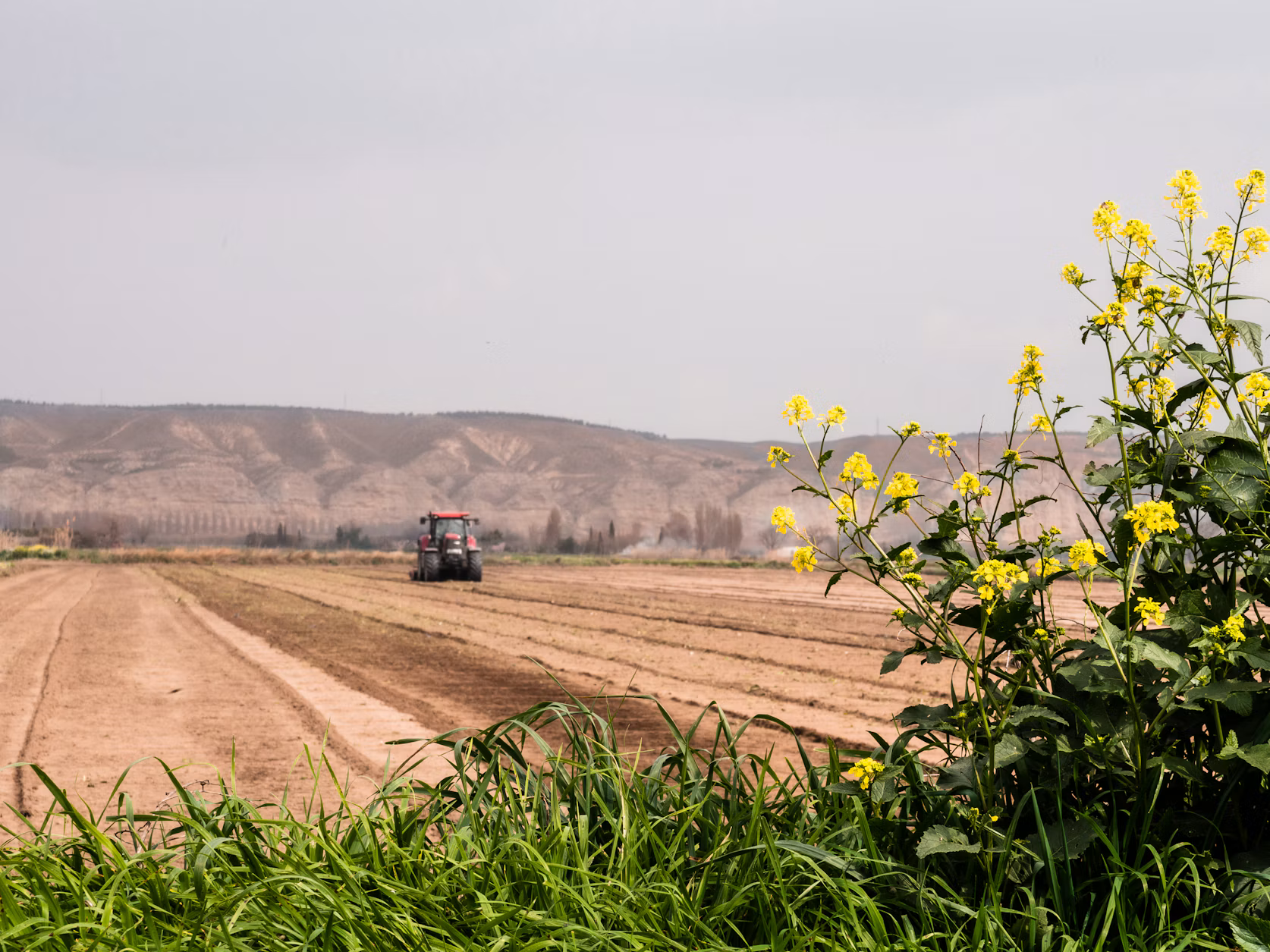
Raw land gains value when buyers can clearly see how they might use it. Dense brush, uncertain access, and hidden site conditions make that vision harder to form, often reducing offers even when the acreage has strong potential.
Strategic land improvements can change that calculation. Clearing selected areas, protecting soil, and documenting site preparation costs can make rural property easier to evaluate without stripping away the natural features that attracted buyers in the first place.
Why Overgrown Parcels Sell at a Discount
Buyers tend to discount overgrown parcels because vegetation can hide drainage problems, debris, uneven ground, and boundary markers. They may also struggle to estimate how much usable acreage the property contains. Faced with uncertainty, many buyers build a generous clearing allowance into their offers.
Presentation affects financing and appraisal discussions too. In areas with limited comparable sales, professionals may need to consider alternative methods for valuing vacant land. Clear access lanes and visible property features give everyone better information. Before listing, open the main entry, reveal important boundaries, and create a few practical viewing points across the parcel.
Evaluating Site Preparation Expenses
Request site-specific estimates before deciding which improvements offer a reasonable return. Acreage alone won’t determine the price. Vegetation density, slope, soil moisture, access for equipment, and disposal needs can all change the final bill.
Your budget should also account for raw land costs beyond vegetation work, including surveys, access improvements, soil testing, and utility research. Ask contractors to separate essential preparation from optional cosmetic work so you can compare proposals based on the work that actually needs to be completed.
Lowering Costs Through Forestry Mulching
Forestry mulching cuts and processes vegetation on-site, which can reduce the need to gather, haul, and dispose of cleared material. That shorter workflow may lower labor and transportation expenses, especially where brush covers a broad area, but major grading isn’t required.
Use the method selectively. Clearing an entrance, fence row, or future building area may produce more market value than treating every acre. Mark survey corners, septic areas, desirable trees, and wet ground before work starts. You should also confirm how the contractor handles slopes, hidden debris, and vegetation that exceeds the equipment’s capacity. A detailed site walk helps prevent scope changes after machinery arrives.
Protecting Topsoil for Long-Term Value
Healthy topsoil supports drainage, vegetation recovery, and future agricultural or residential uses. Heavy disturbance can compact the ground or expose bare soil, leading to erosion that creates a new expense after clearing is finished.
Schedule work when the soil is reasonably firm and identify wet areas that equipment should avoid. Keep roots in place where full removal isn’t necessary, then stabilize exposed patches promptly with suitable seed or erosion-control materials. A mulch layer can help cushion the surface and retain moisture, though its depth should still suit the intended use. Photograph conditions before and after the project so future buyers can see what changed and how the soil was protected.
Maximizing Resale Margins on Rural Acreage
Focus spending on improvements that reduce uncertainty for the next owner. Reliable access, visible boundaries, controlled vegetation, and clearly identified building areas usually communicate more value than broad cosmetic clearing. Keep invoices, surveys, soil reports, and dated photographs together because documentation helps buyers understand the work completed.
Timing matters as well. If you plan to sell soon, obtain estimates and complete high-priority work before marketing begins. The broader lesson in protecting a real estate opportunity applies here: delays can narrow your options and increase carrying costs. Leave enough natural cover to preserve privacy and character, then present the usable portions of the acreage clearly. The strongest resale margin often comes from revealing potential, not clearing every corner.
Leave a Reply