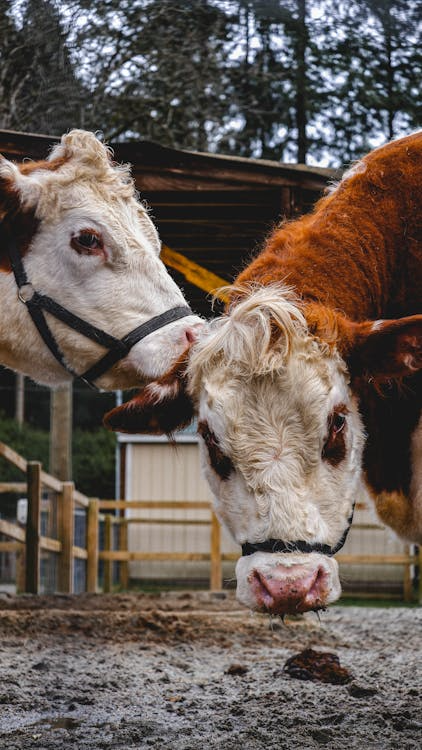
Healthy livestock are essential to running a productive and successful farm. It doesn’t matter whether you’re managing cattle, sheep, goats or other animals, maintaining their well-being requires consistency and good planning. You have to make the right improvements in care and farm management so that you can make a difference to animal health. Here are four important ways to keep your livestock healthy and thriving.
- Provide clean and reliable water.
Access to fresh water is one of the most important parts of livestock health. Animals rely on clean drinking water for hydration, digestion, temperature regulation, and overall well-being. Dirty or contaminated water can quickly lead to illness and reduce productivity. Many farms use durable solutions like concrete water troughs because they provide reliable access while standing up well to harsh weather and heavy animal use. Regardless of the setup, troughs should be cleaned regularly to prevent algae, bacteria and debris. It’s also important to monitor water levels closely during hot weather, when livestock may drink significantly more than usual. Animals that do not have enough water can become stressed very quickly, particularly during summer conditions.
- Focus on nutrition and pasture quality.
Good nutrition plays a huge role in keeping your livestock healthy. Animals need balanced diets to support growth, energy, reproduction and immune function. Pasture quality should be checked regularly to ensure animals are receiving enough nutrients through the year. During dry periods of seasonal changes, additional feed or supplements may be necessary to maintain condition and health. Different livestock also have different nutritional needs depending on their age, breed, workload or reproductive stage. Paying attention to body condition and feeding needs help prevent problems before they develop. Mineral deficiencies can sometimes occur quietly, so monitoring your livestock closely for changes in coat condition, energy levels or growth will help to identify any issues.
- Maintain clean and safe living conditions.
The environment animals live in has a big impact on their health. Muddy paddocks, overcrowding, poor fencing or dirty shelters increase the risk of injury, disease and stress. Regular maintenance around the farm will help to create safer conditions for your livestock. This includes checking fences, repairing damaged areas and managing drainage shelters is equally important, particularly during extreme weather conditions. Providing shade in hot weather and protection during storms or colder months will reduce the stress on the animals and support their well-being. Clean environments also help to reduce the spread of parasites and disease.
- Monitor their health regularly.
Healthy livestock still need regular observation and preventative care. Early signs of illness are often not something you can see straight away, so checking them consistently will help to identify issues before they become anything serious. Changes in appetite, movement, behavior, weight, or coat condition can all indicate potential health concerns. Regular vaccinations, parasite management, and veterinary care are also important parts of maintaining herd health. Keeping records of treatments, illnesses, and breeding information makes health management much easier over time, too.