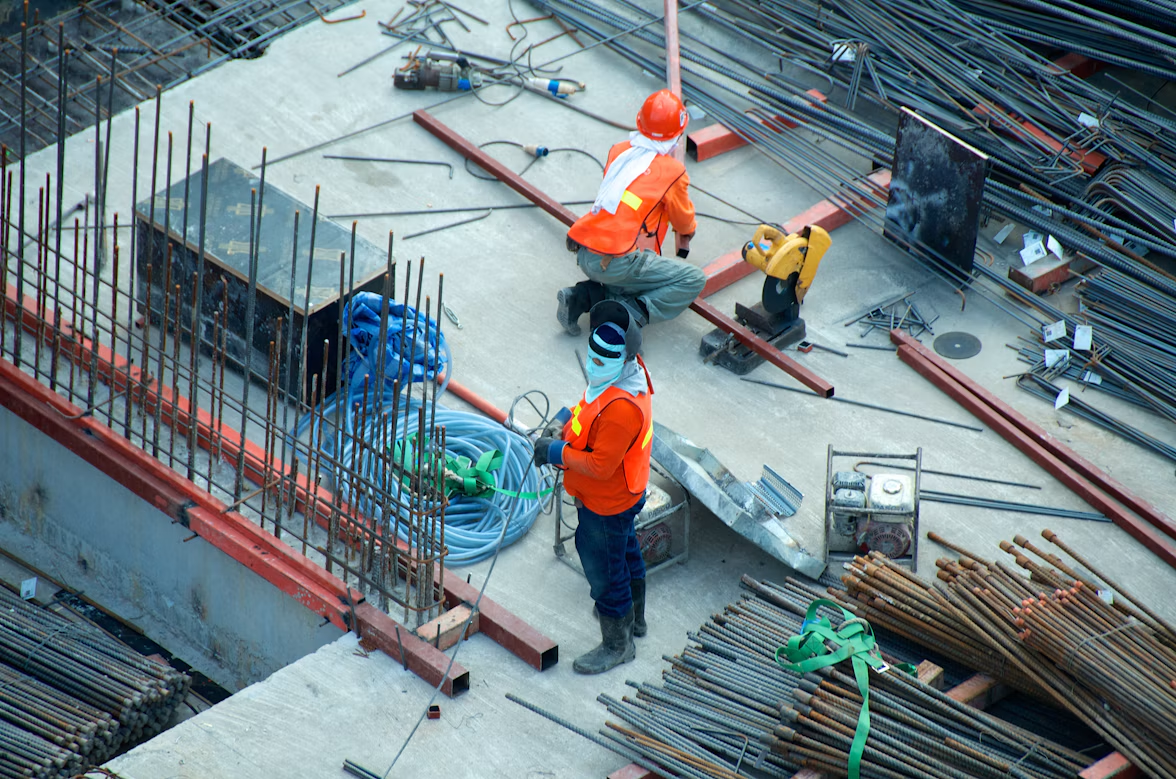
Site delays often begin with ordinary details: a blocked delivery route, an empty hand-washing station or a temporary power connection placed too far from the work area. These problems rarely receive the same attention as schedules and material costs, yet they can reduce productive hours and create avoidable expenses.
Project managers can limit that damage by treating site logistics as a working system that needs clear ownership, regular inspections and timely adjustments.
Hidden Bottlenecks on Modern Jobsites
Start with a simple site-flow map showing delivery entrances, storage zones, worker facilities, waste collection points and emergency access. A clear site logistics plan helps teams spot conflicts before equipment and materials arrive.
Conditions change as the project moves forward, so review the map during each major phase. A delivery path that worked during foundation work may become blocked once exterior construction begins. Assign one person to inspect access routes at the start of each shift and coordinate scheduled deliveries. Track waiting time at the gate as well. If several drivers regularly lose 20 minutes, revised booking windows or a second unloading area may recover hours of paid time each week.
Sanitation Standards and Worker Retention
Clean facilities affect attendance, morale, and the amount of time workers spend leaving the site. Under federal construction sanitation rules, employers generally need at least one toilet for 20 or fewer workers. Larger crews require more capacity, and facilities need prompt servicing to remain usable.
Managers should learn how portable restrooms work before choosing placement and maintenance intervals. Service involves waste removal, cleaning, sanitization, deodorizing and restocking supplies. Put units on stable, accessible ground close enough for practical use without blocking active work zones. Inspect toilet paper and hand sanitizer each day, then record service visits. Increase the cleaning schedule during hot weather, long shifts or periods when several subcontractors share the site.
Understanding Temporary Site Utility Systems
Temporary utilities include electrical distribution, lighting, water service, drainage and communication connections. Each system should support the current work phase while remaining accessible for inspection and repair. Poor placement can create long cable runs, low water pressure or repeated relocation costs.
Effective construction site logistics also depend on coordination between utilities and physical traffic. Mark connection points on the site plan and protect them from vehicles, standing water and stored materials. Label panels, shutoff valves and distribution lines so workers can report a problem accurately. Before a new phase starts, confirm that expected demand remains within the temporary system’s capacity. A weekly utility walk can catch damaged covers, leaking connections and poor lighting before they interrupt a shift.
Balancing Maintenance Budgets Effectively
Build the maintenance budget around service frequency, crew size and project phases instead of using one flat monthly estimate. Track recurring costs for sanitation, temporary utilities, waste removal and access-route repairs. Then compare those costs with downtime reports and worker complaints.
Cutting a routine service may save money on paper while creating larger losses through delays or emergency callouts. This is one example of the hidden cost of one bad decision, especially when a small operational choice affects an entire crew. Keep a modest contingency for weather damage and unexpected demand. Review actual spending every two weeks so you can adjust service levels before minor overruns become permanent budget problems.
A site logistics review should end with named owners and deadlines. When the delivery coordinator, facilities contact and utility lead each know what to inspect, overlooked details become manageable tasks. That accountability keeps the site moving and gives the project manager clearer cost information before the next phase begins.
Leave a Reply