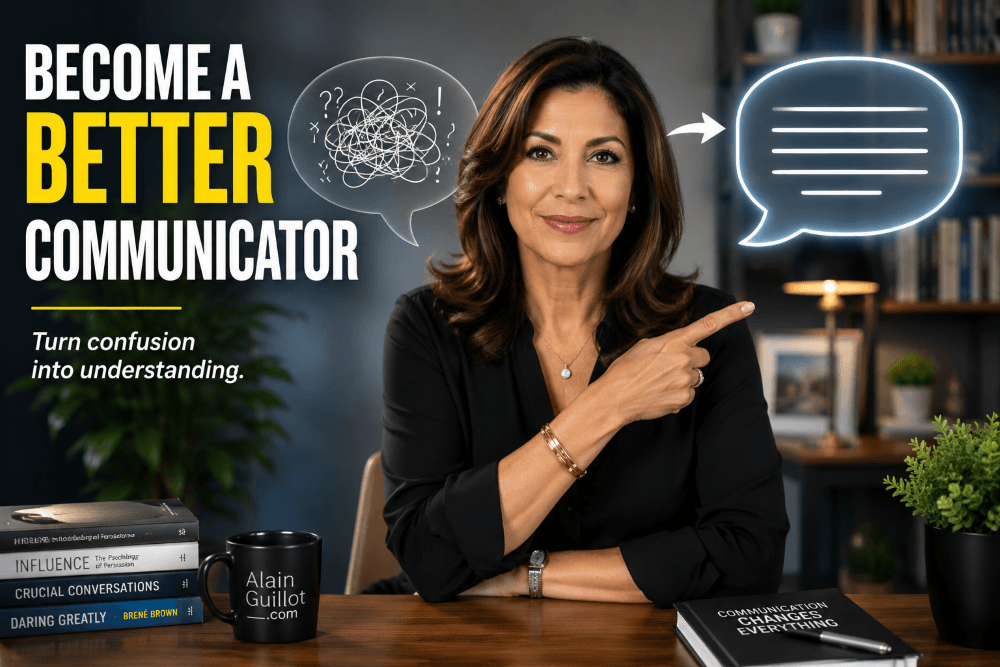

Communication is the foundation of every healthy relationship. Whether you’re spending more time with a partner, family members, friends, or coworkers, learning how to become a better communicator can help reduce misunderstandings, prevent conflicts, and strengthen trust.
Many relationship problems are not caused by bad intentions. They happen because people feel unheard, misunderstood, or dismissed. The good news is that communication is a skill that can be learned and improved.
If you want to become a better communicator, focus less on talking and more on understanding. The following strategies can help you build stronger and healthier relationships.
Why Being a Better Communicator Matters
A better communicator is someone who not only expresses ideas clearly but also listens with empathy and attention.
Strong communication skills can help you:
- Reduce unnecessary arguments
- Build trust and emotional connection
- Resolve conflicts more effectively
- Strengthen personal and professional relationships
- Improve teamwork and collaboration
The most successful relationships are often built on simple communication habits practiced consistently over time.
1. Give the Other Person the Floor
One of the most effective ways to become a better communicator is to allow the other person to speak without interruption.
In public speaking organizations such as Toastmasters, members often say, “Give the speaker the floor.” In everyday conversations, this means giving someone your full attention while they share their thoughts.
When listening:
- Maintain eye contact
- Put away distractions
- Avoid interrupting
- Let them complete their thoughts
Many people are not truly listening. They are simply waiting for their turn to speak. By giving someone the space to express themselves fully, you create an environment where meaningful communication can happen.
2. Practice Active Listening
Listening is more than staying silent.
Active listening requires paying attention to both words and emotions. Notice not only what the person says but also how they say it.
A better communicator listens for:
- Feelings
- Concerns
- Needs
- Intentions
When people feel understood, they become more open and less defensive.
3. Rephrase What You Heard
Communication often breaks down because the message sent is different from the message received.
To avoid misunderstandings, summarize what you heard in your own words.
You can use phrases such as:
- “What I hear you saying is…”
- “If I understand correctly…”
- “So your main concern is…”
This technique gives the other person an opportunity to confirm or clarify their message.
Surprisingly, many conflicts disappear once both people realize they were talking about different interpretations of the same issue.
4. Don’t Rush to Fill Silence
Silence can feel uncomfortable, but it is often an important part of communication.
Many people instinctively fill every pause with words. However, moments of silence allow both people to think, process emotions, and reflect on what has been said.
A better communicator understands that silence is not always a problem that needs to be solved.
Sometimes the most meaningful insights emerge after a brief pause.
5. Ask Open-Ended Questions
Questions can deepen understanding and encourage more meaningful conversations.
Instead of asking questions that produce a simple “yes” or “no,” use open-ended questions.
Examples include:
- “Can you tell me more about that?”
- “How did that make you feel?”
- “What do you think would help?”
- “What happened next?”
These questions invite the other person to share more information and help you gain a clearer perspective.
6. Focus on Understanding Before Responding
Many conversations become arguments because people focus on winning rather than understanding.
Before preparing a response, make sure you fully understand the other person’s viewpoint.
Ask yourself:
- Have I heard everything they want to say?
- Do I understand their concerns?
- Have I clarified any assumptions?
A better communicator prioritizes understanding over being right.
7. Pay Attention to Nonverbal Communication
Words are only part of the message.
Body language, facial expressions, posture, and tone of voice all influence how communication is interpreted.
To improve communication:
- Maintain open body language
- Avoid defensive gestures
- Use a calm tone of voice
- Match your words with your actions
When verbal and nonverbal messages align, communication becomes more authentic and trustworthy.
Common Communication Mistakes to Avoid
Even people with good intentions can create communication problems.
Watch out for these common mistakes:
- Interrupting frequently
- Making assumptions
- Listening only to respond
- Ignoring emotions
- Becoming defensive too quickly
- Trying to solve problems before understanding them
Recognizing these habits is the first step toward becoming a better communicator.
Conclusion
Becoming a better communicator does not require perfect conversations. It requires consistent effort and genuine curiosity about what other people are thinking and feeling.
By listening attentively, asking thoughtful questions, embracing silence, and seeking understanding before responding, you can strengthen your relationships and reduce unnecessary conflict.
The best communicators are not always the best speakers. More often, they are the best listeners.
Frequently Asked Questions
How can I become a better communicator quickly?
Start by improving your listening skills. Give people your full attention, avoid interruptions, and confirm your understanding before responding.
What is the most important communication skill?
Active listening is often considered the most important communication skill because it helps people feel understood and respected.
Why do misunderstandings happen so often?
Misunderstandings occur when people assume they understand a message without verifying it. Rephrasing and clarifying can prevent many communication problems.
Can communication skills improve relationships?
Yes. Strong communication skills help build trust, reduce conflict, improve emotional connection, and strengthen both personal and professional relationships.
Comments
2 responses to “Better Communicator: 7 Skills to Improve Relationships”
This was a great read. Communication is so important in this day and age. Whether digital, direct, indirect, silent, all forms of communicating are so used these days. And you’re right, rephrase what you understood. It’s so easy to be face to face and misunderstand a phrase or intention…even easier to misunderstand indirect and silent forms. Rephrase and ask for clarification and relationships will be so much better. –Ryan
Thank you for your comment Ryan.