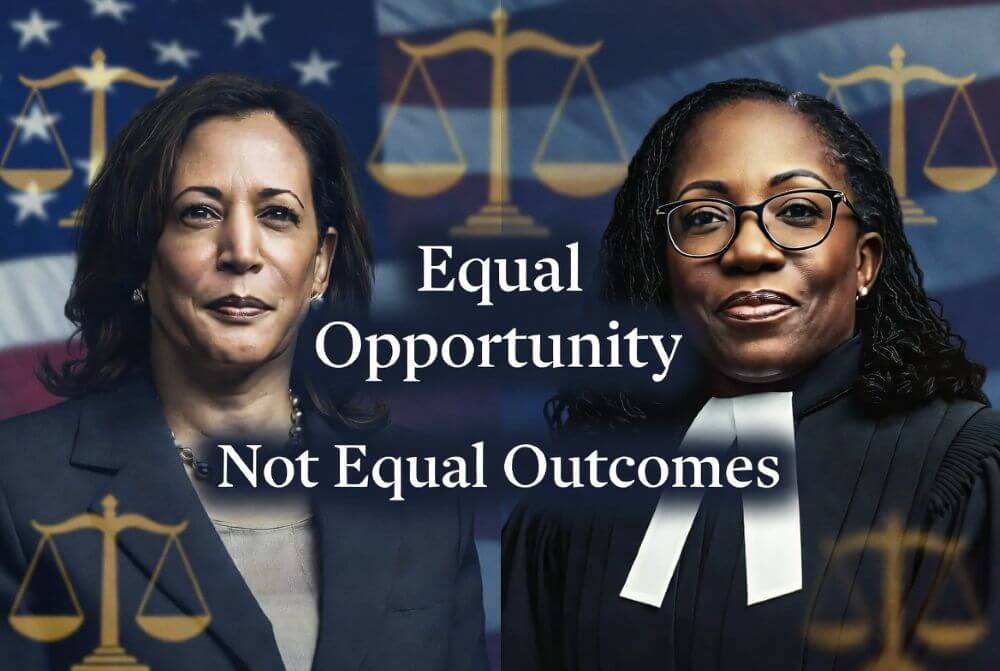
Being against racism means supporting equal opportunity, not equal outcomes. True fairness gives every individual the same chance to succeed based on merit, skills, and effort — not engineered demographic results. Policies that prioritize race or gender over qualifications undermine this principle and often create new forms of discrimination.
In recent years, many corporations, governments, and institutions have pursued diversity, equity, and inclusion (DEI) initiatives that set racial and gender targets. While diversity can enrich teams, enforcing strict quotas frequently leads to discrimination against qualified candidates from non-preferred groups. This approach confuses equal opportunity with equal outcomes.
Real-World Examples of Race-Based Discrimination
Several high-profile cases illustrate how the pursuit of equal outcomes has resulted in unequal treatment.
EEOC v. The New York Times (2026) The U.S. Equal Employment Opportunity Commission sued The New York Times, alleging the organization passed over an experienced white male editor for a deputy real estate editor position. They favored a less-qualified multiracial female candidate to meet 2021 DEI goals aiming for a 50% increase in Black and Latino leadership by 2025. Financial incentives tied to these racial targets reportedly drove the decision.
Duvall v. Novant Health (2021–2024) David Duvall, a white male senior vice president, was fired and replaced by two women (one Black, one white) as part of Novant Health’s push to diversify leadership. A federal jury awarded him $10 million in punitive damages (later reduced), recognizing the termination stemmed from racial and gender diversity pressures rather than performance.
These cases show how corporate DEI plans can cross into illegal discrimination.
Government Quotas and Their Consequences
Political leaders have openly embraced demographic targets over merit.
In 2015, Canadian Prime Minister Justin Trudeau formed a gender-parity cabinet, stating it was because “it was 2015.” While intended to promote women, critics argue this approach reduces the perceived legitimacy of appointees. Observers noted that strict quotas can suggest selections were made to fill demographic slots rather than on individual excellence.
During his 2020 campaign, Joe Biden pledged to nominate the first Black woman to the Supreme Court. By announcing race and gender criteria upfront, the process excluded many highly qualified candidates of other backgrounds before reviewing credentials. This pre-filtering prioritized identity over the broadest talent pool. Justice Ketanji Brown Jackson, a black women, has turned out to be the least qualified justice in the Supreme Court.
Joe Biden, also choose Kamala Harris as a vice president, a women of col0r, so he got to check two boxes with her appointment. We were able to see how the American people rejected her when she ran for president. Her policies and work were complete failures and the American people knew it.
The Harvard Supreme Court Case
In Students for Fair Admissions v. Harvard (2023), the U.S. Supreme Court ruled against race-based admissions that discriminated against Asian American applicants. Evidence showed Harvard penalized high-achieving Asian students to achieve desired racial balances, giving Black and Hispanic applicants with similar scores higher admission chances. The decision reinforced that racial engineering in competitive selections violates equal protection principles.
A Personal Perspective on Discrimination and Merit
As a Latino immigrant to Quebec, I experienced racial discrimination firsthand. Several firms rejected me despite my qualifications, solely because of my background. This racism motivated me to build my own path. I founded a successful dance school, grew a thriving real estate business, and mastered investing. Twenty years after college, I achieved financial independence through education, discipline, entrepreneurship, and persistence.
My experience taught me that barriers exist, but success ultimately comes from individual effort — not guaranteed outcomes. Victimhood narratives or quota systems do not build resilience or real achievement.
Why Meritocracy Matters More Than Quotas
Supporting equal opportunity, not equal outcomes means:
- Evaluating candidates on skills, experience, and performance
- Removing artificial barriers like racial preferences
- Investing in education and access so everyone can compete fairly
- Rejecting policies that discriminate against any group to benefit another
DEI initiatives that reject meritocracy under the guise of diversity often backfire. They erode trust, lower standards, and create resentment. Studies and court cases increasingly show that race-neutral policies focused on socioeconomic factors or individual potential serve fairness better than rigid racial quotas.
Corporations and governments should eliminate hiring (or not hiring) based on race or gender. Focus on expanding opportunity through better schooling, skills training, and entrepreneurship support. This approach honors human dignity and drives genuine progress.
The Path Forward
True anti-racism rejects all racial discrimination — including against whites, Asians, or any group. It celebrates individual achievement and equal rules for everyone. Success stems from personal responsibility, not engineered equity of results.
By prioritizing equal opportunity, societies unlock talent across all backgrounds without compromising excellence. This principle built many successful careers, including my own.
FAQ
What does “equal opportunity not equal outcomes” mean? It means providing everyone the same fair chance to compete based on merit, without guaranteeing identical results through racial or gender quotas. Outcomes naturally differ due to individual choices, effort, and circumstances.
Are DEI programs always discriminatory? Not all diversity efforts discriminate, but those enforcing numerical racial or gender targets often do. When quotas override qualifications, they violate anti-discrimination laws and principles of fairness.
How does the Harvard case relate to equal opportunity? The Supreme Court found Harvard’s admissions discriminated against Asian Americans to balance racial demographics, showing how pursuit of equal outcomes harms high-achieving individuals from certain groups.
Can companies still promote diversity without quotas? Yes — through broader recruitment, mentorship, skills development, and removing biases in processes. These methods expand opportunity without discriminating against qualified candidates.