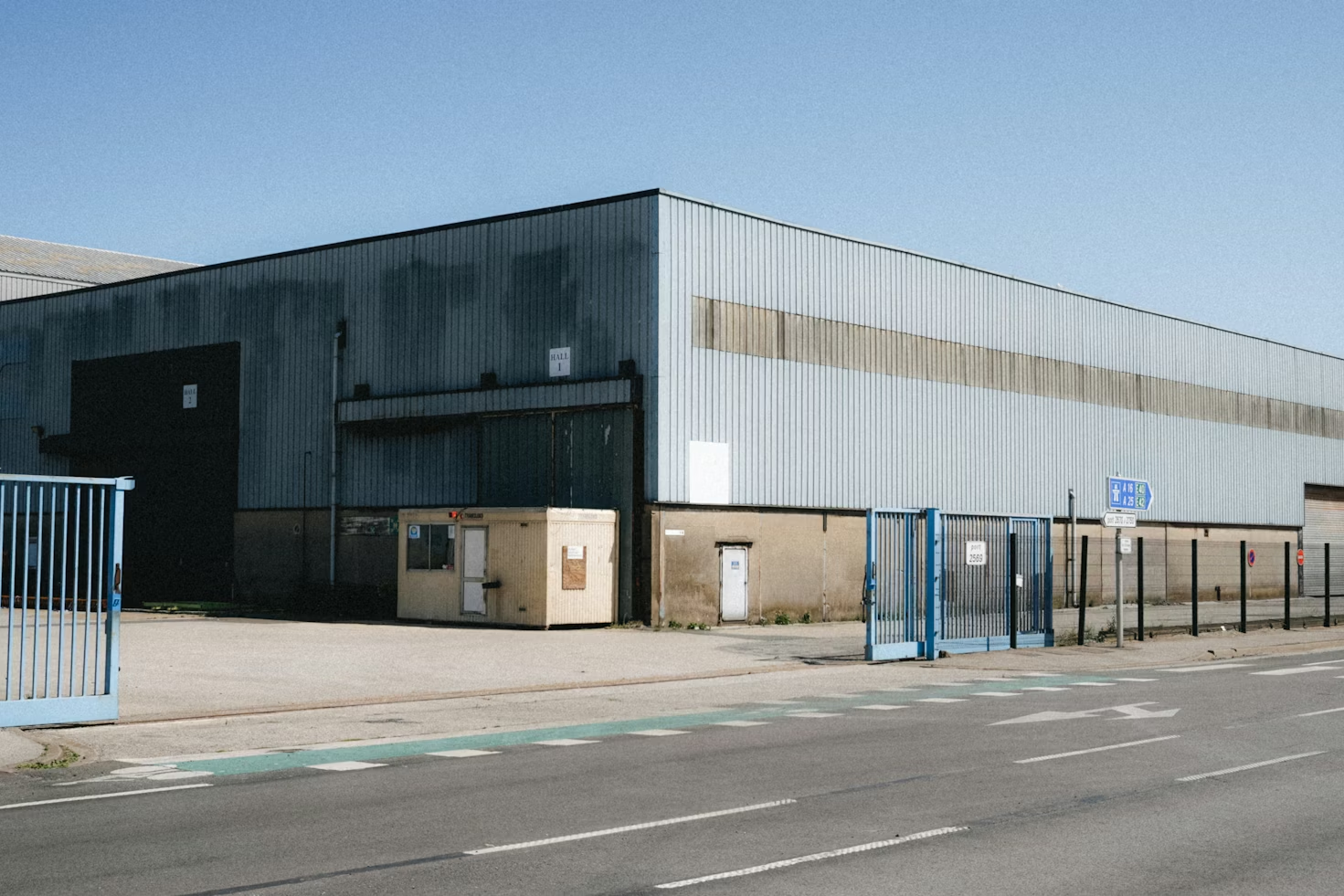
For years, residential property felt like the obvious investment choice to most people. Buy a house, rent it out, build equity, repeat. That strategy still works for some people, but more investors have started looking at industrial spaces instead.
Warehouses, distribution centers, and logistics hubs are suddenly attracting attention in a way they probably didn’t a decade ago. A lot of it comes down to lifestyle, predictability, and fewer day-to-day headaches. Investors are starting to realize that owning property doesn’t always have to mean late-night phone calls, constant repairs, and emotionally draining tenant situations.
And that’s where industrial real estate starts looking much more appealing.
Residential properties come with more stress than people admit
Owning houses sounds straightforward until you actually start managing them. A single residential property can bring constant interruptions. Plumbing issues, appliance breakdowns, missed rent payments, and endless maintenance requests slowly chip away at profits and patience. A lot of landlords spend more time dealing with tenants than actually growing their portfolios.
But industrial spaces tend to work differently. Instead of individual renters, you’re usually working with businesses that already have facility managers, maintenance teams, and operational systems in place. Communication becomes more professional and much less emotional.
Long leases are changing how investors think about stability
One of the biggest reasons industrial properties are attracting attention is the stability that comes with longer leases. Residential tenants usually sign contracts for twelve months or less. Industrial tenants often stay for five, ten, or even fifteen years. That consistency creates a much more predictable income stream.
Many industrial buildings also operate under Triple Net leases, where the tenant handles taxes, insurance, and maintenance costs. That structure removes many of the surprise expenses landlords face with houses. Investors looking for great real estate investments often like the idea of steady cash flow without constantly worrying about repair bills eating into profits.
Warehouses make scaling a lot simpler
Managing multiple residential homes can get chaotic surprisingly fast. Every property has different maintenance needs, different locations, different tenant personalities, and different repair schedules. Once portfolios start growing, the logistical side alone becomes exhausting for many investors.
Industrial properties simplify that process. One warehouse can sometimes generate the same revenue as multiple houses while requiring far less oversight overall. That efficiency is a big reason why experienced investors decide to work with an industrial real estate broker when looking to scale their portfolios. Instead of spreading attention across dozens of smaller assets, they can focus on fewer, larger properties that are easier to manage operationally.
Industrial property values are driven by numbers instead of emotion
Residential markets can feel unpredictable because emotions influence pricing heavily. A family might overpay for a house because they love the kitchen or the school district nearby.
But commercial properties work differently. Industrial values are generally based on income performance and operating costs rather than emotional appeal. That creates a more mathematical investment environment. If rental income increases or expenses decrease, property values often rise accordingly. Investors appreciate having more control over the financial side of the asset rather than relying purely on neighborhood trends or buyer sentiment.
For many people, that makes industrial real estate feel more strategic and less reactive compared to traditional housing investments.