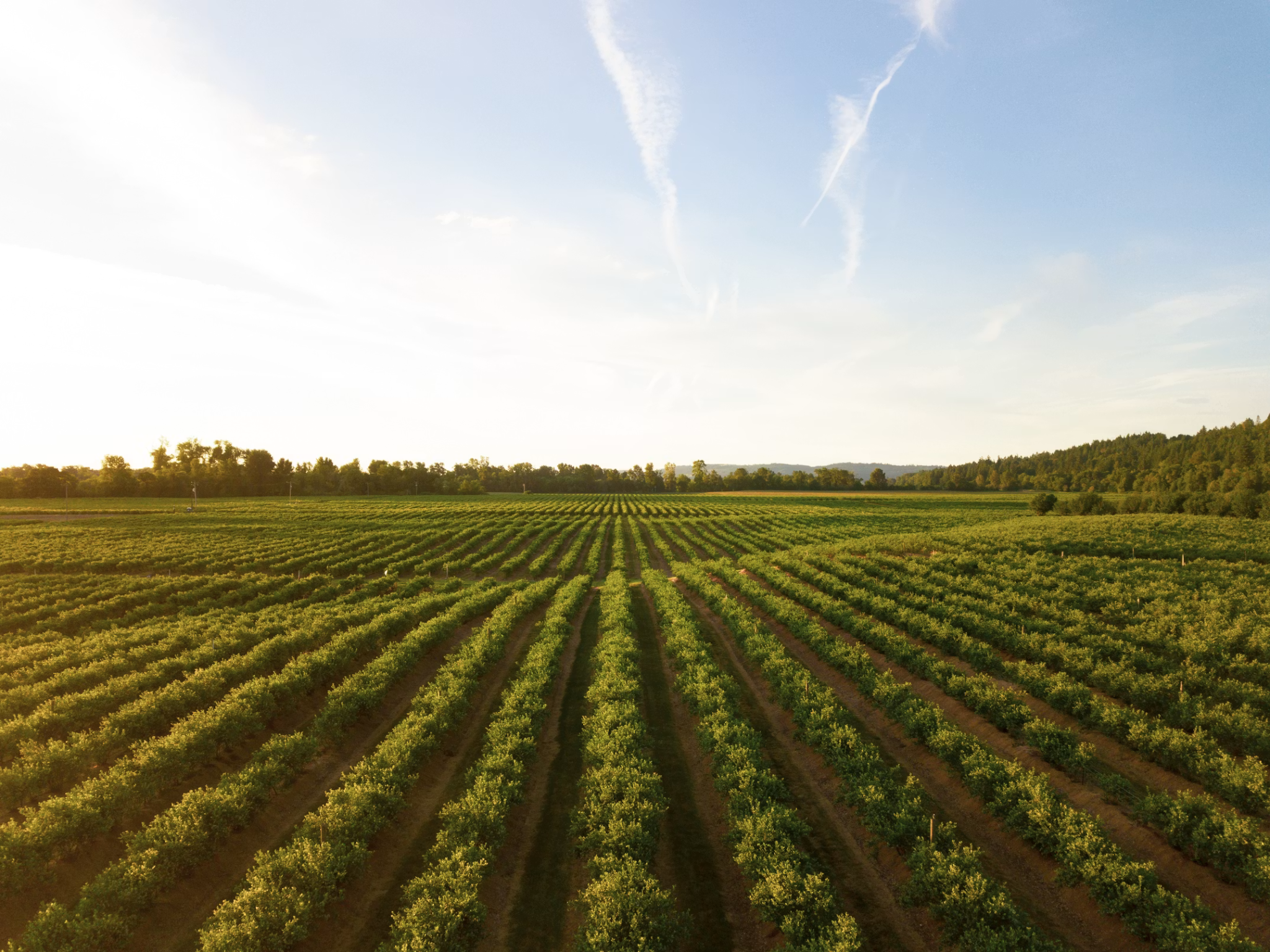
Running a successful farm has always required long-term thinking.
From the moment you choose to invest in equipment to planning crop rotations, or even managing seasonal risks, agricultural businesses are built over years of strategy and effort. Today, however, farmers also face new challenges from changing consumer expectations to rising operating costs that make planning more important than ever.
The strongest farm businesses don’t just focus on next season’s harvest. They need to think ahead, constantly figuring out how to remain profitable and adapt to new opportunities. But they also need to plan for passing the business or even selling it in a way that preserves the value they’ve worked hard to create.
So, every farm needs both a growth plan and an exit plan.
Building a More Profitable Farm
A successful exit starts with a successful business. It doesn’t matter whether your long-term goal is to pass the farm to the next generation or to sell it; profitability makes every future option stronger.
Improving efficiency doesn’t always require major changes. For instance, many farms choose to increase their margins by investing in better storage solutions that reduce waste. They focus on precision agriculture technologies to optimize results, or they automate repetitive tasks to improve productivity. The bottom line: profitability starts with ensuring you can make the most value out of what you already produce, which can be achieved by reducing waste and enhancing crop quality and volume. There may be hundreds of strategies that can help with profitability in agriculture, and that is because there are many different environmental factors to manage.
These improvements strengthen day-to-day operations but also increase the overall value of the business over time.
Today’s Farmers Need to Think Differently
Agriculture continues to evolve alongside changing consumer preferences. While traditional farming remains the backbone of food production, today’s market also presents opportunities that previous generations may never have considered.
Demand for locally produced food and sustainably grown products, including specialty crops, has increased. Indeed, more consumers pay attention to how their food is produced. This is important because, although organic farms still represent a relatively small percentage of all agricultural producers, they serve growing markets willing to pay premium prices.
That doesn’t mean every farm should immediately change its production model. But they should regularly evaluate current market demand to identify new opportunities.

Preserving the Value You’ve Worked to Build
Growing a profitable farm is only part of the journey. Preserving that value is equally important. That’s why working with experienced financial and tax professionals can help farmers understand their options and minimize unnecessary tax liabilities. A variety of factors play a role in protecting the wealth created over decades of hard work, including estate planning, succession planning, and record-keeping.
If you are planning to sell, it’s worth understanding the new tax break for farmland sales and whether your transaction could qualify.
A successful farm is not defined solely by the yearly harvest. Success is long-lasting and needs to include strategic planning from start to end. Ultimately, agricultural businesses need to adapt to changing markets, demands, and the future, and this means understanding how to plan for growth next year, and also for a profitable exit in 10 years’ time.