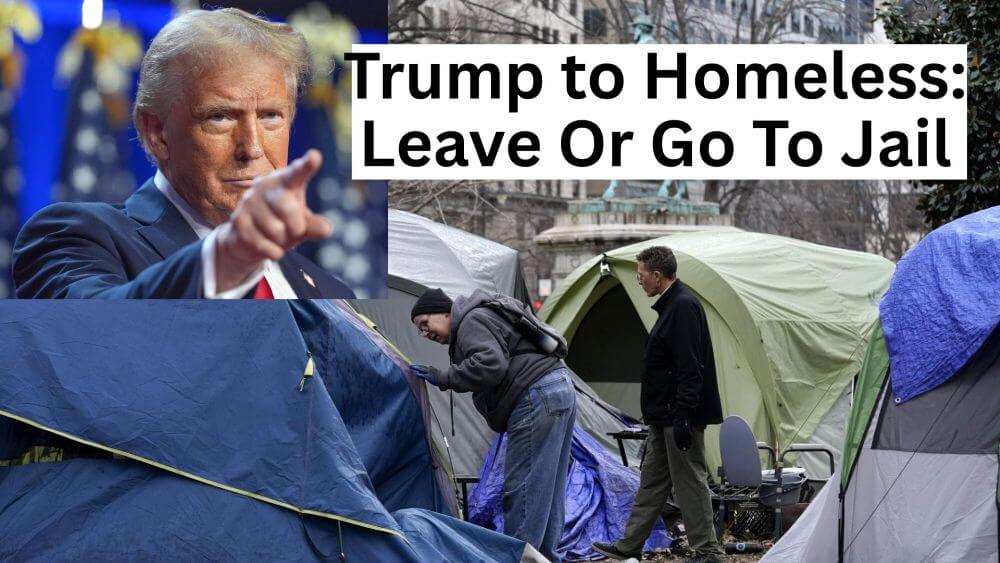
Yesterday, President Trump announced a bold new initiative aimed at reducing crime and restoring order in Washington, D.C. His plan involves deploying the National Guard, taking direct control of the city’s police force, and dismantling homeless encampments that have become a common sight in certain areas of the capital.
The Problem with Homeless Encampments
Homeless encampments are not unique to D.C.—they’re a growing problem in many major U.S. cities. They are often defended by activists who say they are the inevitable result of housing affordability issues. While the cost of housing is certainly a factor, I believe the deeper issues are drug addiction and untreated mental illness.
Many individuals in these camps are not taking active steps to improve their situation. Some prefer to remain homeless in high-traffic urban areas rather than seek rehabilitation or employment. For residents and tourists, the result is unpleasant: visible human misery, trash, bad odors, public drug use, and even open-air drug dealing.
This environment is not just unsightly—it erodes public safety and the overall quality of life.
Trump’s Proposed Solution
President Trump’s plan is straightforward:
- Homeless individuals in D.C. will be taken to shelters where they will be offered addiction treatment and mental health services.
- If they refuse help, they may face fines or jail time under pre-existing laws that have not been enforced in years.
This is not about cruelty—it’s about enforcing order, helping those who want to be helped, and protecting the broader public from the negative impacts of unchecked street encampments.
Why This Matters
Clearing homeless encampments will make the capital safer and more beautiful. Businesses will benefit from increased foot traffic and tourism, residents will enjoy cleaner neighborhoods, and the open drug trade will be pushed off the streets.
In the long term, this could mean fewer overdoses, less crime, and a more vibrant, livable city for everyone.
A Model for Other Cities
I believe President Trump’s approach should not stop at D.C. It should be replicated across America’s major cities where tent encampments have become semi-permanent fixtures. Cities have a responsibility to protect both their vulnerable populations and the broader community. That requires compassion—but also clear rules and consequences.
It’s time to balance empathy with action. President Trump’s plan might just be the blueprint.
Previous opinion posts