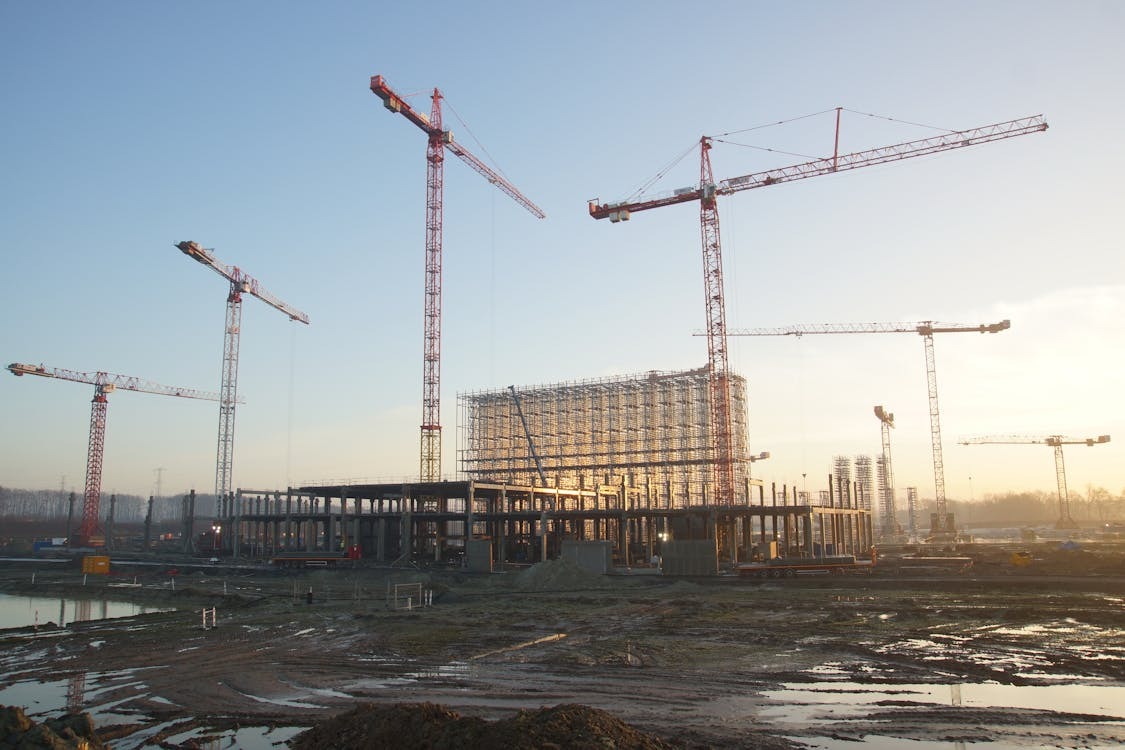
Whether you’re looking to build a new office building, a warehouse, a manufacturing plant, a customer-facing store, or otherwise, where you choose to build it can make a big difference in how your business is able to establish itself and grow in a given area. The wrong location can cause all kinds of problems during the construction itself, and then turn out to be not well-suited to your needs. As such, here, we’re going to look at the three of the primary factors you should consider when trying to judge the viability of any given spot you might build your business on.
The Commercial Viability Of The Location
First of all, consider the strengths of the location itself, just as you would if you were choosing to move into that spot with the building already there. Commercial viability depends on the type of building you’re making, of course. If it’s an office building, then solid access for commuters, including parking and proximity to public transport links, is important. If it’s a storefront, then you want ot make sure that traffic flow, visibility, and presence of your target demographics are factors, as well. Meanwhile, for warehouses and manufacturing plants, easy access for larger vehicles and plenty of space might be the keys.
The Amount Of Work The Land Needs
Some sites are going to need al ot more work to complete a construction project, to begin with. For instance, you might need to consider site preparation, enlisting the help of a land clearing contractor to demolish old structures, remove debris, level uneven ground, and clear the soil of things like minerals and vegetation to allow for a smoother construction process. Another major factor is how easy the construction site is going to be to access, and whether you might need to clear additional roads or ground to allow vehicles and equipment to arrive on site as and when needed. Professional site preparation can help create a safe, stable, and accessible construction area, but you should have an idea of the costs associated with it before you start going ahead with the work necessary.
Legal, Zoning, And Environmental Concerns
The potential red tape associated with any given patch of land can majorly affect how viable a commercial building project might be. For instance, zoning rules may dictate how the land can be used or how large the building can be. You should also be sure to check planning permission needs, boundary restrictions, and environmental regulations, especially if you’re running any kind of industrial business and will have waste to manage. Some surveys might need additional surveys for flood risks, protected habitats, soil contamination, and more. Investigate and figure out all of the legal hoops you have to jump through before you start work, as they can lead to major delays if ignored.
The location of a new commercial building can affect every stage of its lifecycle, including construction, daily operations, and long-term value. Make sure that you’ve fully considered the location, the site itself, and any red tape before you invest too much into the project.