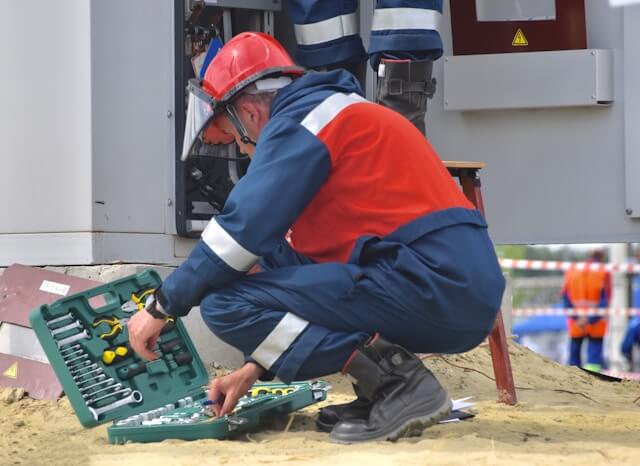
Maintenance teams play one of the most important roles in any industrial or commercial setting. They’re the ones who step in when something stops working, fix the problem, and keep equipment running so production doesn’t slow down. But while everyone focuses on output and repair times, the safety tools that protect these workers often go unnoticed.
Behind every safe repair or inspection is a system of checks, locks, and controls that prevent accidental startups or dangerous energy releases. These simple tools, though small, make the biggest difference between a safe job and a serious incident. Taking time to understand how they work and why they matter can make any workplace safer and more efficient.
Safety starts with the right habits
Good safety practices begin long before anyone picks up a wrench. Maintenance work involves dealing with moving parts, electrical systems, and high-pressure equipment. Even with the best training, accidents can still happen when the right precautions aren’t in place.
This is why consistent habits are so important. Following standard procedures and taking the time to secure equipment before beginning work helps reduce the risk of injury. When safety becomes part of every step instead of an afterthought, teams can focus on doing their job confidently.
Lockout and tagout procedures protect everyone
One of the most effective safety systems in maintenance work is lockout/tagout. It’s a procedure that isolates energy sources before equipment is serviced or repaired. Once a machine is powered down, it’s locked in that state so it can’t be turned on until the work is complete.
A lockout hasp manufacturer produces the small but powerful devices that make this possible. These hasps allow multiple workers to attach their own locks to a single energy source, meaning no one can restart the equipment until every person has finished their part of the job. It’s a simple concept but it prevents countless accidents each year.
The value of proper tools and training
Even the best safety systems depend on proper use. Workers need to know how to identify potential hazards, apply locks correctly, and verify that energy is fully isolated. Regular training keeps everyone familiar with procedures and helps them recognize when something doesn’t look right.
Maintenance managers can also help by keeping safety tools organized and available at all times. When equipment is easy to find and ready to use, workers are more likely to follow safety steps without cutting corners.
Making safety part of everyday work
Workplace safety is a mindset that carries through every task. Whether it’s locking out a machine, wearing protective gear, or checking tools before use, consistency matters. Every small step helps reduce risks and keeps the environment dependable and productive.
When everyone commits to these habits, maintenance work becomes a lot smoother and more secure. The goal here isn’t just to meet regulations but to make sure every worker goes home safe at the end of the day. The tools that protect maintenance teams may seem small, but their impact is enormous.