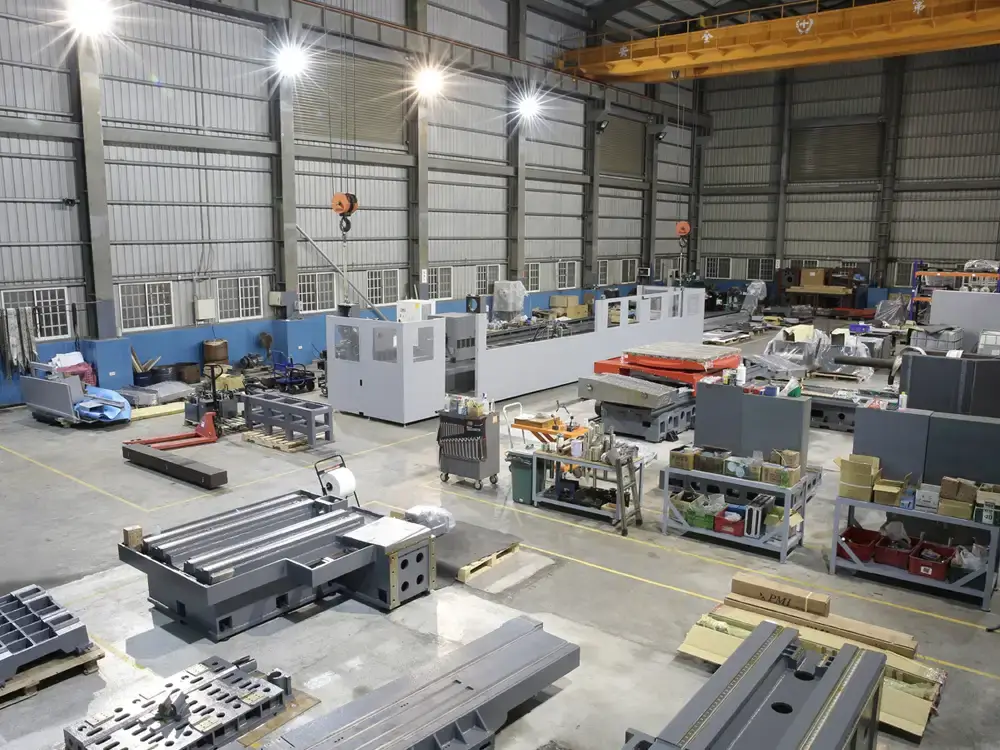
Some machines are built to lift. Some are built to smash. And then there are the ones built to drill—straight through thick metal, solid steel, and other hard materials most tools can’t even scratch. These machines aren’t small, and they aren’t slow. They’re used in heavy industries where everything has to be exact, and even a tiny mistake could ruin a part or break a tool. What makes these machines so impressive is how they combine raw strength with super fine accuracy.
Drilling deep holes into tough materials isn’t just about spinning a drill faster. It takes the right type of machine, the right setup, and tools that can handle serious pressure without wearing down too fast.
Not All Drills Are the Same
Most people know about regular drills—the kind used at home for hanging shelves or putting together furniture. Those work fine for short, simple holes in soft materials. But when industries need to drill long, deep holes into hard metal, they need something way stronger.
This is where specialized deep hole drilling machines come in. They’re made to handle deeper holes with extreme accuracy, and they’re used in places like aerospace, oil and gas, automotive factories, and power plants. Depending on what needs to be drilled, there are different kinds of machines for the job. If you want to understand how they work, you can check out resources that explain the different Types of Deep Hole Drilling Machines and how each one is used in real industries.
Each machine is built for a specific kind of hole—some for speed, some for perfect straightness, and others for handling really long cuts.
Gundrilling Machines: For Small and Accurate Holes
One of the most well-known deep drilling systems is the gun drilling machine. These machines were first used to make gun barrels, which is why they’re called that. The goal was to drill a perfectly straight and smooth hole through a solid piece of metal, and the method worked so well that it spread to other industries too.
Gundrilling machines use special bits with a single channel that pushes cutting fluid directly to the cutting edge. This fluid keeps the bit cool and clears out tiny metal pieces as it drills. These machines are usually used when parts need long, thin holes with super tight tolerances.
Even though they drill slowly, they’re known for being extremely accurate, which makes them ideal for making parts for engines, medical devices, and aircraft.
BTA Drilling Machines: Built for Bigger Jobs
When the hole needs to be much larger or deeper, BTA (short for Boring and Trepanning Association) machines come in. These machines use stronger bits with a hollow center so the chips—those little pieces of metal that get cut off—can be pushed out through the tool instead of around it.
BTA drilling is faster than gundrilling and works well on thicker materials. The tools are designed to handle serious cutting pressure without bending or snapping. That makes them great for drilling parts used in heavy machinery, oilfield equipment, and even military hardware.
A lot of the time, BTA machines are used in places where time matters and where the materials being drilled are too hard for standard tools.
Ejector Drilling: When You Need More Power
There’s also something called ejector drilling. It’s kind of like BTA drilling but with extra force. It uses a two-tube system where one tube pushes coolant in and the other pulls metal chips out. This allows the machine to go even deeper without stopping to clean out the hole.
Ejector drilling is usually used in large-scale manufacturing where parts have to be made fast but still meet strict standards. Even though the machines are more complex, they’re worth it for companies that make hundreds or thousands of deep-drilled parts every month.
What Makes These Machines So Tough?
To drill through hard materials like stainless steel, titanium, and hardened alloys, these machines use more than just strong motors. They rely on special drill bits made from high-performance materials—like carbide. Carbide is way harder than regular steel and can keep its sharp edge even after drilling for a long time.
The machines themselves are also built with solid frames to keep everything steady. Even the smallest shake or vibration can ruin the accuracy of a deep hole, so everything has to be locked in place perfectly.
Coolant systems are another big deal. When drilling deep, a lot of heat builds up. If that heat isn’t controlled, it can damage the tool or the part. These machines use pressurized coolant to keep temperatures low and make sure the cutting area stays clean.
Why Deep Drilling Matters
Deep holes aren’t just for looks. They’re found in real parts that have to work under high pressure or extreme stress. Think about engine blocks, turbine shafts, medical implants, or oil drilling tools. Each one needs holes that go deep but also stay straight and strong.
If a hole is even slightly off, the entire part could fail during use. That’s why deep hole drilling machines need to be both powerful and precise. They’re used to create the kind of parts that people rely on every day—even if they never see them.
It’s Not Just About Strength—It’s About Control
The most impressive thing about these machines isn’t just that they can drill through tough materials. It’s that they can do it with so much control.
A good machine can drill a hole that’s perfectly centered, with a smooth inside wall, even if it’s going through three feet of metal. That kind of accuracy takes serious engineering. Every part of the machine has to work perfectly with the rest—motors, guides, cutting tools, and coolant systems.
It’s all built for one goal: to make deep, straight holes that meet exact measurements every single time.
What to Take Away
Deep hole drilling machines aren’t just strong—they’re smart. They use high-tech designs, powerful motors, and carefully built tools to drill through materials that most machines can’t handle. Whether it’s for a jet engine or a medical tool, these machines make sure every hole is just right.
Each type of machine—gundrill, BTA, or ejector—has its own job. Some focus on accuracy, others on speed, and some can do both. What matters most is that they get the job done right, even when working with the hardest metals out there.
Machines that can drill through almost anything aren’t just cool—they’re the reason a lot of the toughest parts in the world even exist.