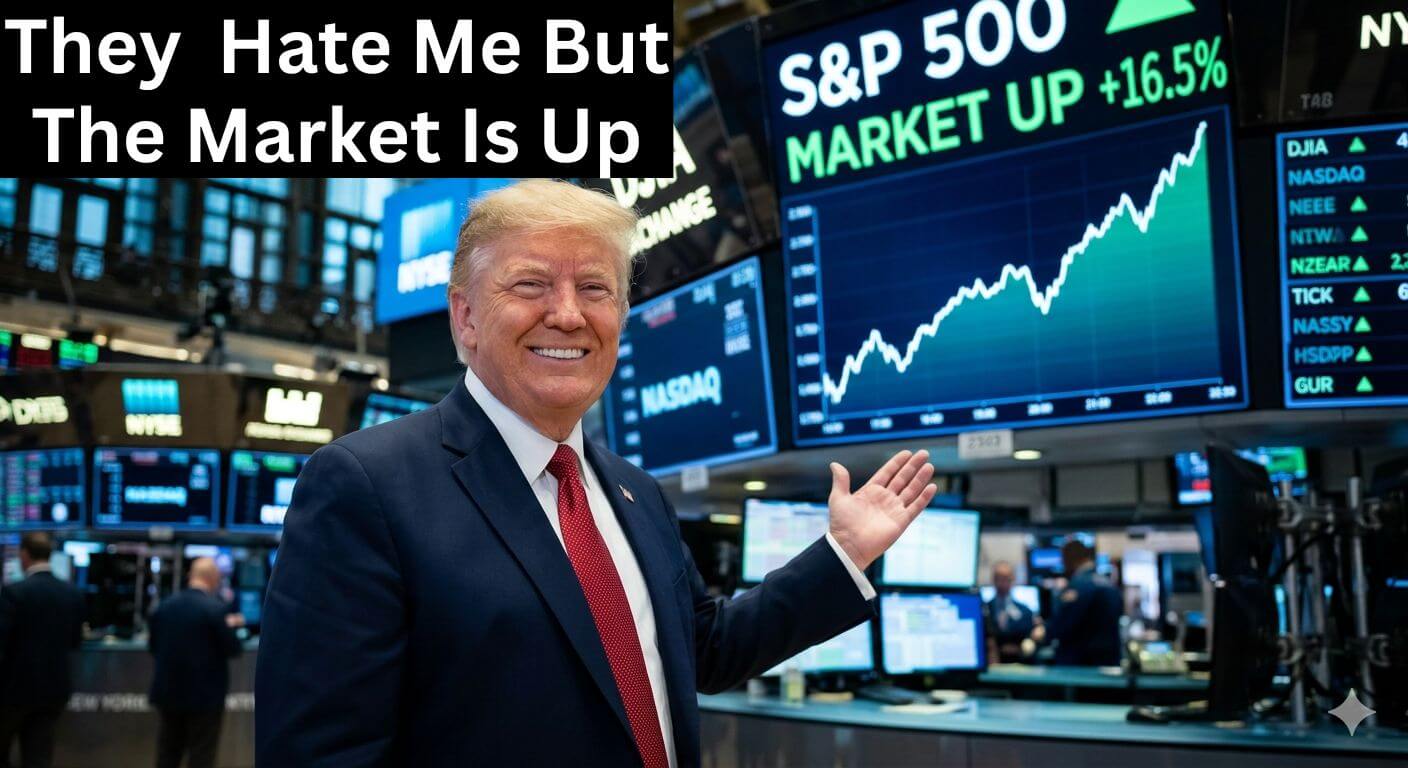
Many investors struggle to separate their personal values from their financial decisions. When a political leader they dislike takes office, the emotional response is often to “wait and see” or exit the market entirely.
However, history proves that S&P 500 performance is remarkably indifferent to which party holds the keys to the Oval Office. Pulling your money out of the market based on political sentiment is one of the most expensive mistakes an investor can make.
Since the presidential transition in January 2025, we have seen the market climb to new heights. Those who stayed on the sidelines missed out on double-digit gains simply because they let their emotions drive their brokerage account.

Why S&P 500 Performance Defies Political Rhetoric
The stock market is a collection of the world’s most profitable companies, not a referendum on a specific administration. These businesses are designed to adapt and generate profit regardless of the regulatory environment.
There are several reasons why the market often ignores the “noise” in Washington:
- Corporate Adaptability: CEOs and boards are paid to navigate changing laws. If taxes rise or trade rules shift, companies pivot their strategies to protect the bottom line.
- Global Revenue: Most companies in the S&P 500 are multinational. Their success is tied to global consumer demand, not just domestic policy.
- Technological Momentum: The “picks and shovels” of the AI revolution don’t stop evolving because of an election result. Innovation is a secular trend that transcends political cycles.
The High Price of Missing the “Best Days”
Successful investing is built on “time in the market” rather than “timing the market.” When you exit due to political fear, you risk missing the handful of days that account for the majority of annual gains.
If an investor sat out the first 15 months of the current administration, they would have missed a gain of approximately 20%. Missing that window doesn’t just hurt you today; it reduces the principal amount available for future compounding.
Analyzing Historical S&P 500 Performance
If we look back over the last century, the data is clear: the market has trended upward under both Republican and Democratic leadership. Political bias acts as a “loyalty tax” that investors pay to their preferred party.
- The Reagan Era: Seen as pro-business, yet saw significant volatility alongside growth.
- The Clinton Era: Witnessed massive tech-driven returns despite various political controversies.
- Modern Transitions: Both the 2016 and 2020 transitions led to record highs, despite the polarized public sentiment surrounding them.
The market thrives on productivity and earnings. As long as companies find ways to be more efficient, S&P 500 performance will likely continue its long-term upward trajectory.
Strategies for Removing Emotion from Your Strategy
To succeed as a long-term investor, you must view the presidency as just one of many market variables. It is no different than fluctuations in interest rates or the price of energy.
Focus on your core asset allocation. Whether you prefer low-cost index funds like VOO or QQQ, or specific infrastructure stocks like Vertiv (VRT), your plan should remain consistent regardless of who is in the White House.
The most successful investors are those who can watch the news with a critical eye but look at their portfolio with an analytical one. Don’t let your vote dictate your net worth.
Summary and FAQ
In conclusion, S&P 500 performance is driven by corporate earnings and innovation, not political popularity. Staying invested through political shifts is the most reliable way to build wealth.
Does the stock market perform better under one party? Historically, the market has posted positive returns under both parties. Economic cycles and Federal Reserve policy usually have a larger impact than the President.
Should I sell my stocks if I’m worried about the election? Generally, no. Trying to time the market based on election results often leads to missing out on significant recovery rallies.
What is the biggest risk to my portfolio during a new presidency? The biggest risk is usually your own emotional reaction. Emotional selling often happens at market lows, locking in losses and preventing future growth.
Other personal finance blog posts