Investing in your home through DIY projects isn’t just about giving it a fresh look; it’s a direct investment in its market value. With some careful planning and a bit of effort, you can make upgrades that not only improve your living space but also offer a significant financial return when it’s time to sell. The trick is to focus on smart, strategic improvements that appeal to the widest range of potential buyers.
Identify High-Impact Home Upgrades
Not all home improvements boost value equally. Some projects offer a much higher return on investment than others. Focus on areas that make the biggest impression on potential buyers. Kitchens and bathrooms are consistently at the top of the list. You don’t need a full-scale remodel; minor updates like painting cabinets, replacing old hardware, or installing a new faucet can make a huge difference.
Curb appeal is another critical area. A welcoming exterior invites buyers inside and sets a positive tone. Simple projects like painting the front door, updating house numbers, and refreshing landscaping can dramatically improve a home’s first impression. Inside, a fresh coat of neutral paint is one of the most cost-effective upgrades you can make. It brightens up rooms and provides a blank canvas for new owners.
Calculating ROI for DIY Ventures
Before you start any project, it’s important to understand its potential return on investment (ROI). ROI helps you figure out if the money and effort you spend will actually lead to a higher property value. The calculation is straightforward: take the increase in home value from the project, subtract the project’s cost, then divide that number by the project’s cost. The result is your ROI percentage.
For example, if a $1,500 bathroom refresh (new vanity, fixtures, and paint) increases your home’s value by an estimated $4,500, your net profit is $3,000. Your ROI is 200% (($3,000 / $1,500) x 100). To maximize your returns, focus on low-cost, high-impact projects. While a major kitchen overhaul might be tempting, several smaller, less expensive updates can often deliver a better overall ROI.
Essential Tools for Property Enhancement
You don’t need a professional workshop to start on projects that add value. Building a basic DIY toolkit is your first step toward improving your property. Having a reliable source for your equipment and materials, whether it’s a specialty supplier or a full-service department store, means you’ll have what you need when inspiration strikes.
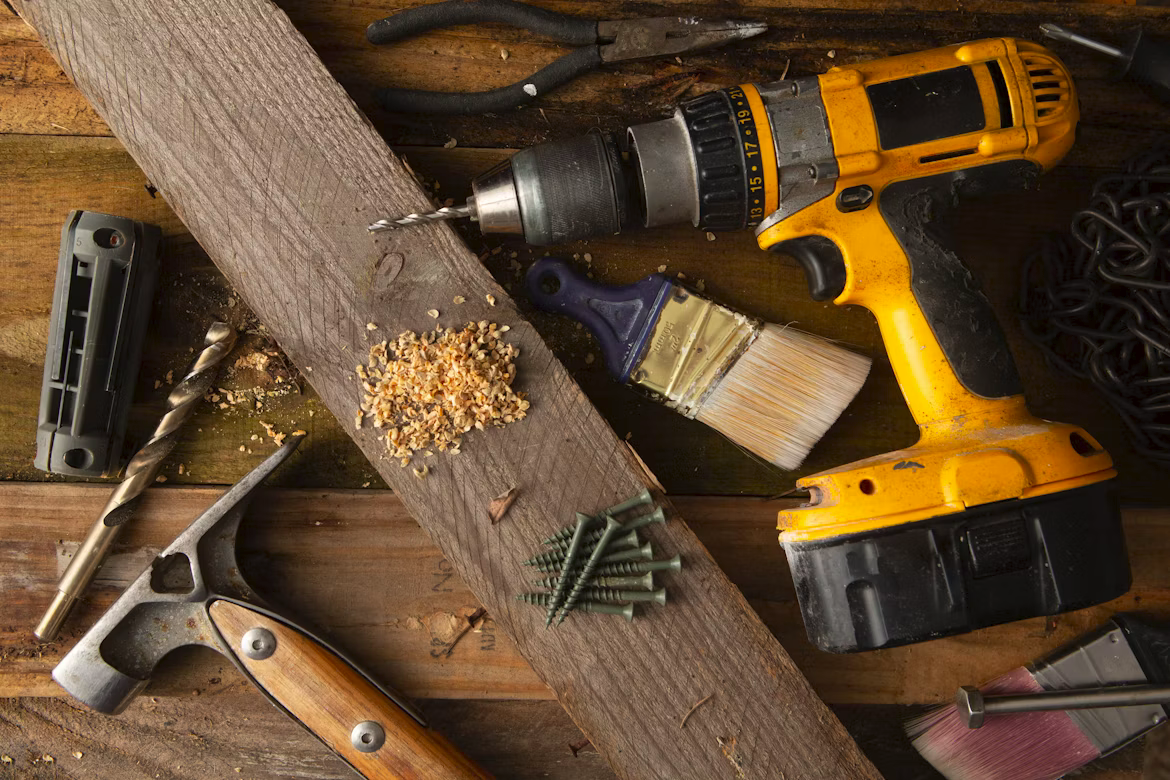
Start with these essentials: a quality cordless drill with a set of bits, a reliable tape measure and a level, a hammer and a set of screwdrivers, good quality paint brushes, rollers and trays, and safety gear, including gloves and eye protection.
As you gain experience, you can add more specialized tools to your collection. Owning your own tools not only saves you money on rentals but also empowers you to tackle maintenance and repairs quickly, preserving your home’s value over time.
Sustainable Choices for Long-Term Gains
In today’s market, green features are increasingly attractive to homebuyers. Sustainable upgrades not only appeal to environmentally conscious buyers but also signal long-term savings on utility bills. They can even improve curb appeal and home value. Many of these improvements are simple enough for a dedicated DIYer to complete over a weekend.
Consider projects like sealing air leaks around windows and doors with weatherstripping or caulk. This can significantly reduce heating and cooling costs. Replacing old incandescent bulbs with energy-efficient LEDs is another quick and easy win. For a slightly larger project, consider installing a smart thermostat. This device learns your household’s patterns and optimizes your HVAC system’s performance, offering both convenience and energy savings that buyers will appreciate.
Budgeting for Materials and Supplies
A successful DIY project starts with a realistic budget. Without one, costs can easily spiral, eating into your potential ROI. Begin by creating a detailed list of every material you’ll need, from major components like flooring or fixtures down to screws and paint. Research prices from multiple suppliers to ensure you’re getting a fair deal.
Once you have a total estimated cost, add a contingency fund of at least 10-15%. This buffer will cover unexpected issues, measurement mistakes, or the need for an extra tool. It’s much less stressful to have this money set aside than to have to pause your project to find more funds. Keep all your receipts organized to track your spending accurately and see how your final costs compare to your budget.
Tackling a DIY project can feel daunting, but the rewards are tangible. Start with a single, manageable task, like painting a small room or updating cabinet hardware, and build your skills and confidence from there.
Leave a Reply