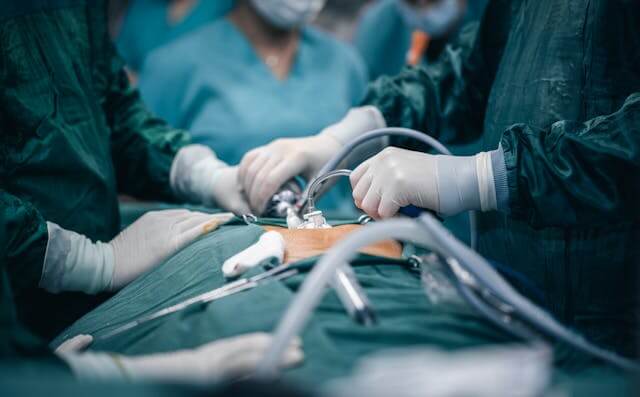
Creating the perfect surgical suite is a big challenge. It’s a complex undertaking with huge stakes, so if your healthcare business is in the middle of designing surgical systems, you’ll need to be very careful to get things right.
The ideal surgical suite strikes a balance between safety and efficiency. No corners are cut; skilled staff, combined with cutting-edge technology, result in highly repeatable operations without compromise.
In this article, you’ll learn about four of the most important components for setting up this sort of environment.
1. Layout and Workflow
One of the most important aspects to get right in the beginning is the layout of the suite and how it contributes to workflow.
When safety and efficiency are the primary objectives, it’s essential to minimize movement and cross-contamination while providing the team with sufficient space to work. Typically, a surgical suite comprises unrestricted (for administrative purposes), semi-restricted (such as scrub rooms and changing rooms), and restricted areas (encompassing the theatre itself).
Everything should flow properly, so with anything you’re thinking of implementing, consider whether or not it adheres to those core tenets of safety and efficiency.
2. Surgical Equipment
From the most basic tools like scalpels to advanced surgical infrastructure like tube securement device, using high-quality surgical equipment is paramount. Any hand tools you use should be made of surgical-grade steel, and they should be sterilized at all times and carefully maintained.
The machinery you’ll use should also be carefully considered. There have been many technological advancements in the last few years, and machines like AI-powered CT scanners and surgical robots are now commonplace. These are always going to be the most expensive aspects of equipping the facility, so think carefully as to whether you really need a given piece of equipment.
3. Sterilization Systems
Beyond the basic protocol of keeping the environment sterile, you should also have dedicated systems in place that go the extra mile.
Sterilization and infection control systems are a must in today’s day and age. Ultraviolet sterilization tools are always a great bet, and you’ll want HEPA filtration systems installed and methods for controlling humidity and temperature as per the governing healthcare standards in your area.
Sterilization stations should be located as close to the operating rooms as possible to prevent the risk of bacteria.
4. Lighting
And finally, you mustn’t forget about lighting. You can have the most high-tech facility in the world, but if the lighting is wrong, your surgical work will be severely hampered.
Shadow-free lights within the operating theatre are key, and these should be adjustable in both brightness and color temperature to offer the flexibility required. You’ll also need uninterrupted power systems (UPS) installed and emergency generators to ensure that all crucial life-support technology will function even in the event of a power cut.
Wrapping Up
This article has provided you with a starting point for beginning preparations for building your surgical suite. It won’t be easy, and there’s a lot more to cover, but when you’re set up and saving lives on a daily basis, it’ll all be worth it. Good luck!