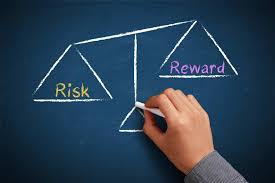
Success in business often mirrors the principles that define games of chance — risk management, strategic thinking, emotional control, and understanding probability. While entrepreneurship is not a game, the psychology of taking calculated risks and maximizing opportunities shares surprising similarities with the world of casinos and gambling. Understanding how players and casino operators make decisions can help business leaders strengthen their mindset, make sharper choices, and build resilience in the face of uncertainty.
The Entrepreneurial Gamble: Risk Is the Entry Fee
Every entrepreneur starts with a gamble. Whether it’s investing savings into a startup, launching a new product, or pivoting business models, risk-taking is inevitable. The key is not to avoid risk but to manage it intelligently. Just like skilled players at a poker table, entrepreneurs must learn to assess probabilities, read market signals, and make decisions with limited information.
Calculated risk-taking often separates successful leaders from the rest. It’s not about luck — it’s about preparation. Entrepreneurs who study trends, understand their odds, and remain adaptable are far more likely to succeed than those who rely on instinct alone.
Strategic Thinking: Lessons from the Casino Floor
Behind every casino’s flashing lights and exciting games lies a sophisticated business strategy. Casinos operate with a clear understanding of probability, customer psychology, and long-term profitability. Entrepreneurs can learn from this model by focusing on sustainability instead of short-term gains.
For example, online gaming platforms like slotti monsteri highlight how data-driven insights and customer engagement drive long-term growth. Just as these platforms design user experiences that retain players and build loyalty, entrepreneurs must create products and services that continuously deliver value and satisfaction. It’s about understanding what keeps people coming back — in both gaming and business.
Managing Risk Like a Professional Gambler
Professional gamblers don’t rely on emotions; they rely on discipline, mathematics, and systems. Similarly, successful entrepreneurs build frameworks to manage uncertainty. This includes setting clear budgets, defining acceptable levels of loss, and knowing when to walk away from unprofitable opportunities.
Effective risk management involves:
- Diversification: Spreading investments across multiple ventures or revenue streams.
- Probability Assessment: Making decisions based on data and evidence, not guesswork.
- Emotional Control: Avoiding impulsive actions driven by stress or excitement.
- Learning from Losses: Every setback provides data — use it to improve future decisions.
Both the gambler and the entrepreneur understand that failure is part of the process; what matters is how they adapt and move forward.
The House Always Wins: Building Sustainable Business Models
One of the most fascinating lessons from casinos is how “the house always wins” — not through luck, but through structure. Every game has built-in rules that ensure long-term profitability for the operator. Entrepreneurs can take inspiration from this principle when building sustainable business models.
To succeed consistently:
- Create systems that favor your business, even during downturns.
- Use analytics to refine strategy and identify predictable income sources.
- Focus on scalability — growth should not depend solely on your presence or effort.
Building “house advantage” in entrepreneurship means designing your operations so that the odds lean in your favor over time.
| Casino Concept | Business Parallel | Key Takeaway |
| House Edge | Profit Margins | Build structural advantages for steady growth |
| Player Loyalty | Customer Retention | Reward repeat engagement and trust |
| Game Variety | Product Diversification | Offer multiple solutions to attract varied audiences |
| Table Limits | Risk Management | Set clear boundaries for loss and investment |
Mindset, Discipline, and the Psychology of Success
Emotions can be an entrepreneur’s greatest strength or biggest weakness. In both gambling and business, emotional discipline separates winners from those who burn out. A calm, strategic mindset helps leaders make rational decisions even under pressure.
Successful entrepreneurs approach challenges with the same patience and persistence as seasoned gamblers. They understand that one bad hand doesn’t define the game. What matters is consistency — sticking to a long-term strategy, learning from mistakes, and maintaining confidence through uncertainty.
Innovation and Adaptation in the Digital Era
The rise of online casinos and digital betting platforms shows how innovation can redefine entire industries. Technology has transformed the way players engage, from mobile access to AI-powered personalization. Entrepreneurs can learn from this rapid adaptation by embracing digital transformation in their own ventures.
Whether through automation, data analytics, or customer experience design, staying ahead means anticipating change before it happens. In the same way that modern casinos invest in immersive technology to keep players engaged, businesses must invest in innovation to remain competitive and relevant.
Wrapping Up: Playing the Long Game
In both entrepreneurship and gambling, the real skill lies not in winning every time but in surviving long enough to benefit from the odds. The best business leaders — like the most disciplined gamblers — play the long game. They balance optimism with realism, strategy with adaptability, and ambition with patience.
Ultimately, success favors those who understand risk, respect probability, and remain committed to constant learning. Whether on the casino floor or in the boardroom, the goal remains the same: to keep playing smarter, not just harder.