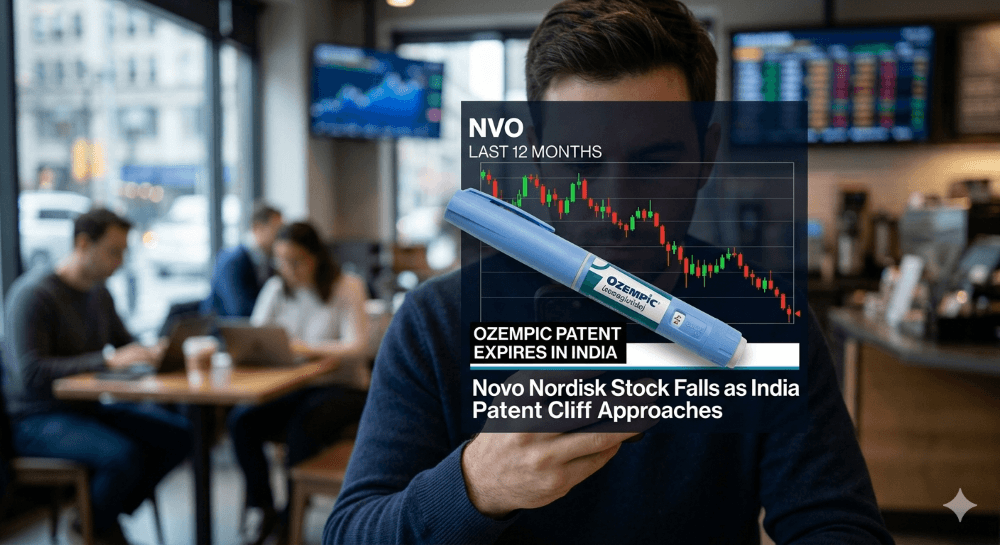
Novo Nordisk, the pharmaceutical giant behind Ozempic and Wegovy, has had a remarkable run. Its stock has soared, fueled by the global craze for GLP-1 agonists. But as an investor, I’m cautious. A significant change is looming that could disrupt the entire industry. I’m talking about the Ozempic patent expiring in India on March 20, 2026. This isn’t just a minor blip; it’s a massive event that could reshape the market and have far-reaching financial implications.
The Rise of the “Ozempic Economy” and the Coming Crash
We’ve all seen the news about Ozempic. Celebrities endorse it. TikTok is flooded with success stories. The demand has been unprecedented. This has created a massive “Ozempic economy,” benefiting not only Novo Nordisk but also related industries. But this is all built on a foundation of patent protection. In India, that foundation is about to crack. The Ozempic patent expires in India very soon, and it’s going to be a game-changer. Why India? Because it’s a massive market with a growing obesity problem and, crucially, a robust generic drug industry.
The Indian “Generic Tsunami”: A Price War Unleashed
The moment the Ozempic patent expires in India, dozens of Indian pharmaceutical companies are poised to launch generic versions of semaglutide, the active ingredient in Ozempic. These companies, known for their ability to produce high-quality generics at a fraction of the cost, will enter a price war. We’re not talking about a 20% or 30% reduction. Analysts predict that the price of semaglutide could plummet by 70% to 90%. This means that a drug currently costing hundreds of dollars a month could be available for as little as $12 to $20. This massive price drop will make the drug affordable to a huge segment of the population, not just the wealthy.
Winners and Losers: A Tale of Two Industries
So, who wins and who loses in this scenario? As an investor, it’s essential to understand these dynamics.
The Potential Losers: Is Investing in Novo Nordisk Wise?
This is the big question. Is investing in Novo Nordisk a mistake given the impending patent expiry? While Novo Nordisk will still have patent protection in other major markets for several years, the loss of the Indian market is significant. More importantly, it sets a precedent. The massive price difference between the generic and branded versions in India could lead to pressure from other governments and healthcare systems to lower prices. This could erode Novo Nordisk’s profit margins and slow down its growth. While I’m not saying the company is doomed, the astronomical growth we’ve seen may not be sustainable.
The Confirmed Winners: The Generic Drug Powerhouses
The primary winners will be the major Indian generic pharmaceutical companies. Companies like Sun Pharmaceutical Industries, Dr. Reddy’s Laboratories, and Zydus Lifesciences are already preparing for this moment. They will capture a massive market share, significantly boosting their revenue. These companies have the manufacturing capacity and distribution networks to flood the market with affordable semaglutide. For investors looking for exposure to the GLP-1 market without the high valuation of Novo Nordisk, these Indian generic companies might be an attractive alternative.
Other Potential Winners:
The democratization of semaglutide will have ripple effects across various industries.
- Cosmetic Surgery and Aesthetic Clinics: While diet and exercise can lead to weight loss, they don’t solve the problem of excess skin. A surge in the use of semaglutide will likely lead to an increased demand for skin removal surgeries and aesthetic treatments like facial fillers.
- Specialized Gyms and Personal Trainers: The “gym culture” may shift from high-intensity cardio to focus more on resistance training, which is crucial for preserving muscle mass while losing weight. Gyms and trainers who can adapt to this trend will benefit.
- Telehealth Platforms: The ease of getting a prescription through online platforms will fuel the growth of telehealth services that specialize in weight management.
Other Potential Losers:
- Food & Beverage Industries: As people reduce their calorie intake, sales of processed foods, sugary drinks, and alcohol may decline. This could impact major food and beverage companies.
- Traditional Gyms Focused on Cardio: Gyms that are heavily reliant on cardio equipment may see a decline in usage if people find easier ways to lose weight.
The Personal Health Choice: Diet and Exercise vs. Medications
As an investor, I can’t ignore the financial implications of the Ozempic patent expiring in India. It’s a significant event with clear winners and losers. However, from a personal perspective, I agree that regulating weight through a healthy diet and regular exercise is the best option for everyone. It’s sustainable, promotes long-term health, and has no side effects. But I also recognize that for many people, this alternative is not just a cosmetic choice. For some, it’s a life-changing medication that helps manage chronic conditions.
Summary: Navigating the Changing Landscape
The impending expiration of the Ozempic patent in India marks a critical juncture for the pharmaceutical industry. The dramatic price reduction will make semaglutide accessible to a vast population, creating new opportunities and challenges. While Novo Nordisk faces headwinds, the Indian generic giants are poised for substantial growth. Other industries, from cosmetic surgery to fitness, will also feel the impact. As an investor, it’s crucial to stay informed and adapt to these changes.
Is investing in Novo Nordisk a mistake? Only time will tell, but the landscape is shifting, and new, more affordable alternatives are about to become a powerful force in the market.
Frequently Asked Questions (FAQ)
1. When does the Ozempic patent expire in India? The patent for semaglutide, the active ingredient in Ozempic, expires in India on March 20, 2026.
2. How long are patents valid in India? In India, patents are valid for a period of 20 years from the date of filing, in line with international standards set by the TRIPS agreement.
3. Is investing in Novo Nordisk still a good idea? The patent expiration in India creates a headwind for Novo Nordisk. While they will maintain patent protection in other markets for several more years, the India generic competition will significantly reduce their market share in that specific region and put pressure on their global pricing power.
4. Which Indian companies will benefit the most? Several Indian generic pharmaceutical companies are expected to launch affordable versions of semaglutide. Some of the leading players include Sun Pharmaceutical Industries, Dr. Reddy’s Laboratories, and Zydus Lifesciences.
5. How cheap will the generic versions be? Analysts predict the price of semaglutide in India could drop by 70% to 90%, potentially becoming available for as little as $12 to $20 per month. This drastic price reduction will significantly improve affordability and accessibility for millions of patients.
6. What are the broader economic implications of cheaper Ozempic? The availability of cheaper semaglutide could impact various industries beyond pharmaceuticals. The food and beverage sector might see a decline in sales of processed and high-calorie items. Conversely, industries like cosmetic surgery, specialized fitness training, and telehealth could experience growth.
Previous stock market posts
Leave a Reply